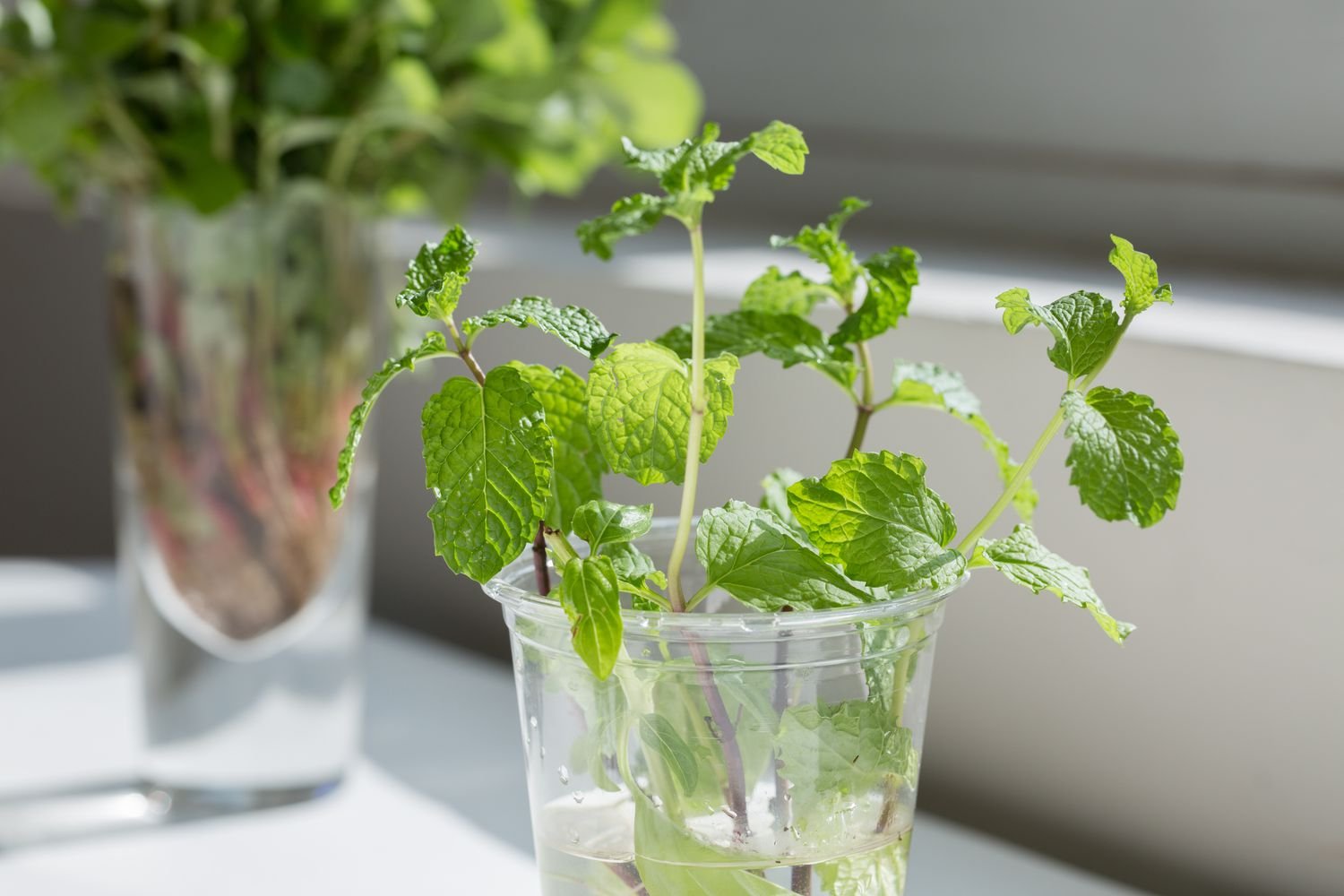
Mint is one of the most versatile and aromatic herbs you can grow. From garnishing cocktails and desserts to adding fresh flavor to meals, fresh mint elevates any kitchen. While many people grow it outdoors, mint is equally suitable for indoor cultivation, making it accessible year-round, even in apartments or spaces without a garden.
The key to thriving indoor mint is understanding its growth habits, light and water requirements, and proper care techniques. With a few simple strategies, you can enjoy lush, fragrant mint all year long.
Why Mint Is Perfect for Indoor Gardening
Mint is an ideal herb for indoor gardening for several reasons:
- Hardy Growth: Mint is a vigorous grower and tolerates a variety of conditions.
- Compact Size: It adapts well to pots or containers, which makes it perfect for indoor spaces.
- Year-Round Harvest: Indoors, you can control temperature and light, allowing continuous growth, unlike seasonal outdoor gardens.
- Aromatic Benefits: Mint naturally fills the space with fragrance, enhancing the ambiance of your home.
- Culinary Versatility: Use fresh leaves in teas, salads, sauces, and baked goods.
Its fast growth, resilience, and usability make it a favorite herb among beginners and experienced gardeners alike.
Choosing the Right Mint Variety
Mint comes in several varieties, each with unique flavors and growth habits. Some popular options for indoor gardening include:
- Peppermint: Strong flavor, great for teas and desserts.
- Spearmint: Sweet, mild flavor perfect for cocktails and salads.
- Chocolate Mint: Subtle chocolate undertones, adds fun flavor notes to drinks and desserts.
- Apple Mint: Fruity aroma and flavor, excellent for culinary experimentation.
Selecting the variety you enjoy most ensures your indoor herb garden will be both functional and enjoyable.
Selecting the Right Container
Mint spreads rapidly, so choosing the correct container is crucial to prevent overgrowth and root-bound plants:
- Pot Size: Use a container at least 6–8 inches deep and wide enough to accommodate spreading roots.
- Drainage: Ensure the pot has adequate drainage holes; mint roots are prone to rot in standing water.
- Material: Clay, ceramic, or plastic pots all work, but clay helps regulate moisture and prevents overwatering.
Tip: Mint grows aggressively, so using a separate container indoors prevents it from overtaking other herbs or plants.
Choosing the Right Soil
Mint thrives in well-draining, fertile soil.
- Use potting mix enriched with organic matter, such as compost or worm castings.
- Avoid garden soil, which may compact in containers and hinder root growth.
- Ensure the soil is light and airy, allowing roots to spread easily.
Healthy soil provides the nutrients and drainage mint needs to grow vigorously indoors.
Light Requirements
Mint prefers bright, indirect light, mimicking its natural growth conditions outdoors.
- Ideal Location: A south- or west-facing windowsill provides enough light for steady growth.
- Supplemental Lighting: If natural sunlight is limited, use a LED grow light for 10–12 hours a day.
- Rotation: Rotate the pot every few days to ensure even growth on all sides.
Too little light leads to leggy stems, pale leaves, and weak flavor, while too much direct sunlight can burn the leaves.
Watering and Humidity
Mint likes consistently moist, but not waterlogged, soil. Proper watering is essential:
- Check Soil Moisture: Water when the top inch of soil feels dry.
- Avoid Overwatering: Excess water leads to root rot; ensure good drainage.
- Humidity: Mint prefers moderate humidity. Indoor heating can dry air during winter, so occasional misting or placing the pot near other plants can improve moisture levels.
Tip: Avoid letting the soil completely dry out, as this stresses the plant and slows growth.
Fertilizing Your Mint
While mint is hardy, indoor growth benefits from periodic feeding:
- Use a balanced, water-soluble fertilizer every 4–6 weeks during the growing season.
- Organic options like compost tea or diluted fish emulsion also work well.
- Avoid over-fertilizing, which can lead to rapid but weak growth and reduced flavor.
Proper fertilization keeps mint vibrant, flavorful, and productive all year.
Pruning and Harvesting
Regular pruning is essential for indoor mint because it:
- Prevents Leggy Growth: Trim stems to encourage bushier, fuller plants.
- Enhances Flavor: Regular harvesting improves leaf flavor and prevents bitterness.
- Controls Size: Keeps the plant manageable in its container.
How to Harvest:
- Pinch leaves or cut stems just above a leaf node, where new growth emerges.
- Regular harvesting encourages continuous production.
- Avoid removing more than one-third of the plant at a time to prevent stress.
Pruning not only maintains aesthetics but also ensures maximum culinary yield.
Pest Management Indoors
Indoor mint is generally resilient, but pests can occasionally appear:
- Common Pests: Aphids, spider mites, and whiteflies.
- Prevention: Inspect leaves regularly, and isolate new plants before introducing them to your indoor garden.
- Treatment: Use insecticidal soap or neem oil if pests appear, or remove affected leaves manually.
Maintaining healthy growing conditions—light, water, and air circulation—reduces the risk of infestations.
Propagating Mint Indoors
Mint is easy to propagate, which allows you to expand your indoor garden:
- Stem Cuttings: Cut a 4–6 inch stem and place it in water until roots develop, then transplant into soil.
- Division: Remove the plant from its pot and separate clumps of roots to create new plants.
- Advantages: Propagation ensures you always have a fresh supply and prevents overgrown pots.
Mint’s resilience makes it a perfect plant for beginner propagators.
Tips for Year-Round Success
- Rotate Light Sources: Ensure all sides receive light for even growth.
- Trim Regularly: Keep stems bushy and prevent the plant from flowering too soon, which can reduce flavor.
- Monitor Indoor Conditions: Avoid placing mint near heat vents, radiators, or drafty windows.
- Repot as Needed: Refresh soil or move to a larger container if growth slows.
- Harvest Frequently: Frequent harvesting keeps leaves tender and flavorful.
Why Indoor Mint Thrives Year-Round
Growing mint indoors allows you to control the environment, protect the plant from outdoor pests, and enjoy fresh leaves in every season. Unlike outdoor plants, indoor mint isn’t affected by frost, excessive rain, or fluctuating temperatures, making it ideal for urban dwellers, apartment gardeners, and anyone who loves fresh herbs year-round.
With proper care—adequate light, consistent watering, pruning, and occasional feeding—mint becomes a vibrant, ever-present addition to your kitchen or indoor garden.
Conclusion
Indoor mint is more than a convenient culinary herb—it’s a hardy, aromatic, and aesthetically pleasing plant that thrives when given attention, proper conditions, and care. By choosing the right variety, container, and soil, providing sufficient light and water, and maintaining regular pruning and fertilization, you can enjoy lush, flavorful mint all year long.
Whether you’re sprucing up cocktails, adding zest to desserts, or creating a fragrant indoor garden, mint’s versatility and resilience make it an essential indoor herb. With a little planning and consistent care, your mint will not just survive indoors—it will flourish, bringing freshness, flavor, and greenery into your home 12 months a year.