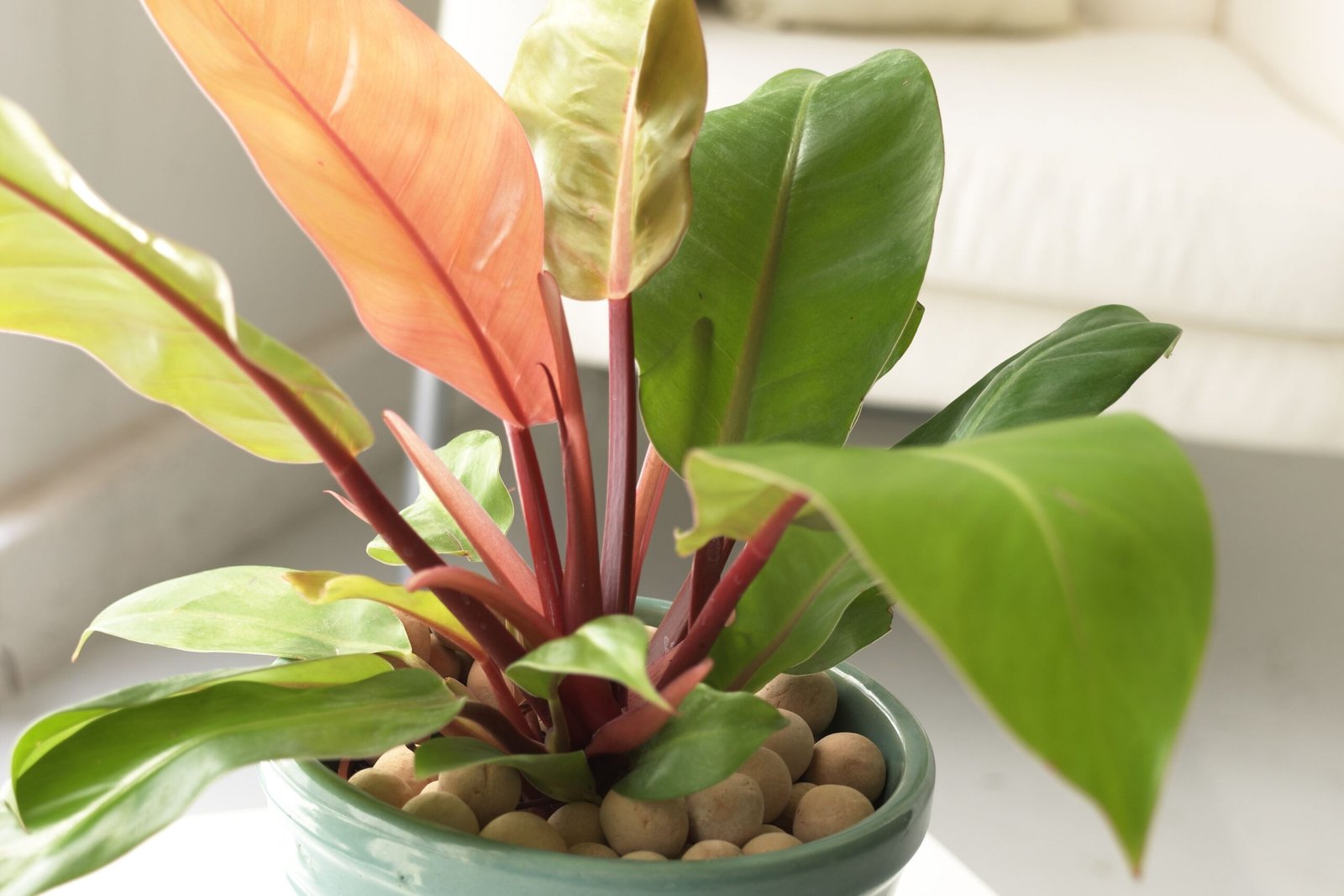
Philodendrons are beloved houseplants for a reason. Their lush green leaves, forgiving nature, and ability to thrive indoors make them a favorite for beginners and experienced plant lovers alike. So when those once-vibrant leaves start turning yellow, it can be alarming. Is your plant dying? Did you do something wrong?
The good news is that yellow leaves are usually a sign that your philodendron is trying to communicate—not that it’s beyond saving. According to plant experts, most cases of yellowing leaves come down to a few common care issues that are easy to fix once you understand them.
Below are the five most common reasons your philodendron leaves are turning yellow, along with expert-approved solutions to help your plant bounce back.
1. Overwatering: The Most Common Culprit
If there’s one mistake plant experts see more than any other, it’s overwatering. Philodendrons prefer consistently moist soil, but they absolutely hate sitting in soggy conditions. When roots are exposed to too much water for too long, they struggle to access oxygen, leading to root stress or even root rot.
How Overwatering Causes Yellow Leaves
When roots begin to suffocate or rot, they can no longer absorb nutrients efficiently. As a result, the leaves—especially the lower ones—start turning yellow. You may also notice soft stems, drooping leaves, or a musty smell coming from the soil.
How to Fix It
- Allow the top 1–2 inches of soil to dry out before watering again
- Always use pots with drainage holes
- Empty saucers after watering so the plant isn’t sitting in excess water
- If root rot is suspected, remove the plant, trim affected roots, and repot in fresh soil
Expert tip: Yellow leaves caused by overwatering often feel soft or limp rather than dry and crispy.
2. Underwatering and Inconsistent Watering
While overwatering is common, underwatering can also cause philodendron leaves to turn yellow—especially if watering is inconsistent. Long periods of dryness stress the plant and disrupt nutrient uptake.
Signs of Underwatering
- Yellowing leaves that eventually turn brown and crispy
- Dry, compacted soil pulling away from the edges of the pot
- Leaves curling or drooping
Why It Happens
When a philodendron doesn’t get enough water, it conserves energy by sacrificing older leaves first. These leaves turn yellow and drop off so the plant can focus on new growth.
How to Fix It
- Water thoroughly until water drains from the bottom
- Establish a regular watering schedule based on your home’s conditions
- Use your finger or a moisture meter to check soil before watering
Expert tip: Consistency matters more than frequency. A predictable routine helps philodendrons thrive.
3. Improper Lighting Conditions
Philodendrons are often labeled as “low-light plants,” but that doesn’t mean they can survive indefinitely in dark corners. Both too much and too little light can cause yellowing leaves.
Too Much Light
Direct sunlight can scorch philodendron leaves, causing yellow patches that may later turn brown. This is especially common for varieties with thinner or lighter-colored leaves.
Too Little Light
In low light, philodendrons can’t photosynthesize efficiently. This leads to pale, yellowing leaves and slow growth.
How to Fix It
- Place your philodendron in bright, indirect light
- Avoid direct sun, especially afternoon sunlight
- Rotate the plant occasionally for even light exposure
Expert tip: If yellowing is accompanied by leggy growth and small leaves, insufficient light is likely the problem.
4. Nutrient Deficiencies or Overfertilization
Yellow leaves can also signal a nutrient imbalance. Philodendrons need regular feeding during their growing season, but too much fertilizer can be just as harmful as too little.
Nutrient Deficiency
A lack of nitrogen, magnesium, or iron can cause leaves to yellow, often starting with older growth. In some cases, veins remain green while the rest of the leaf turns yellow—a condition known as chlorosis.
Overfertilization
Excess fertilizer causes salt buildup in the soil, which damages roots and leads to yellowing or browning leaf edges.
How to Fix It
- Feed with a balanced, water-soluble fertilizer every 4–6 weeks during spring and summer
- Avoid fertilizing in fall and winter
- Flush the soil occasionally with plain water to remove excess salts
Expert tip: When in doubt, fertilize less. Philodendrons are light feeders and prefer underfeeding to overfeeding.
5. Natural Aging and Environmental Stress
Not all yellow leaves indicate a problem. Sometimes, yellowing is simply part of a philodendron’s natural growth cycle.
Natural Leaf Aging
As new leaves emerge, older leaves—especially those near the base—may turn yellow and drop off. This is completely normal and not a cause for concern.
Environmental Stress
Sudden changes in temperature, humidity, or location can shock your plant. Common stressors include:
- Cold drafts or heat vents
- Sudden repotting
- Low indoor humidity
- Moving the plant frequently
How to Fix It
- Keep temperatures between 65–85°F (18–29°C)
- Increase humidity with a humidifier or pebble tray
- Avoid frequent relocation
- Be patient—plants often need time to adjust
Expert tip: If only one or two older leaves are yellowing and new growth looks healthy, your plant is likely doing just fine.
How to Prevent Yellow Leaves in the Future
Preventing yellow leaves comes down to understanding your philodendron’s basic needs and responding early to changes. Here are a few expert-recommended best practices:
- Use well-draining soil designed for houseplants
- Monitor watering closely and adjust seasonally
- Provide bright, indirect light
- Maintain moderate humidity
- Inspect leaves regularly for early warning signs
By staying attentive and making small adjustments, you can keep your philodendron healthy, vibrant, and green.
Final Thoughts
Yellow leaves on a philodendron are not a death sentence—they’re a message. Whether the issue is watering, light, nutrition, or simple aging, identifying the cause early makes all the difference. With the right care, most philodendrons recover quickly and continue producing the lush foliage they’re known for.
Remember, even experts deal with yellow leaves from time to time. What matters most is learning from your plant and adjusting your care routine accordingly. Your philodendron will thank you with strong growth and beautiful leaves for years to come.