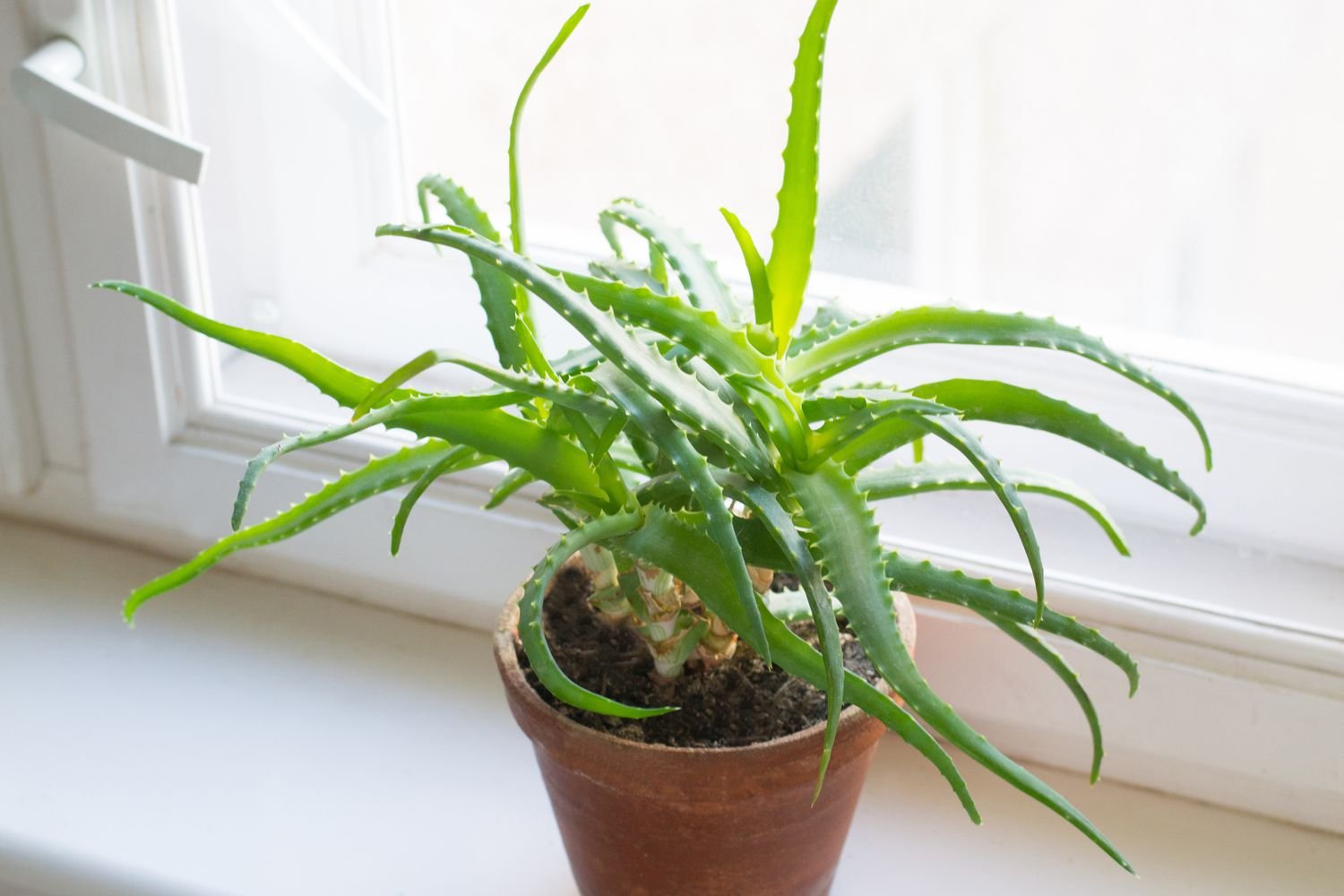
Aloe vera is one of the most popular houseplants in the world—and for good reason. Known for its soothing gel, striking rosette shape, and low-maintenance nature, aloe vera is often recommended for beginners. Yet despite its reputation as an easy-care plant, improper watering is the number one reason aloe plants struggle or die.
Many people assume that because aloe is a succulent, it needs almost no water. Others water it as frequently as their leafy houseplants. Both approaches can cause serious problems. To help your aloe vera thrive—not just survive—it’s essential to understand when, how, and how often to water it.
This guide explains exactly how often to water an aloe vera plant, the factors that affect its water needs, common mistakes to avoid, and expert tips to keep your plant healthy year-round.
Understanding Aloe Vera’s Natural Water Needs
Aloe vera is native to arid regions of the Arabian Peninsula and parts of Africa. In the wild, it grows in sandy, fast-draining soil and relies on infrequent rainfall. Its thick, fleshy leaves store water, allowing the plant to survive long periods of drought.
Because of this adaptation, aloe vera prefers deep but infrequent watering. Too much water is far more dangerous than too little. When watered correctly, aloe roots remain healthy, and the leaves stay firm, plump, and vibrant green.
So, How Often Should You Water Aloe Vera?
There’s no one-size-fits-all schedule, but a general rule is:
Water aloe vera every 2–3 weeks during the growing season and every 3–4 weeks during winter.
However, frequency depends on several factors, including climate, pot type, soil, and light exposure. Rather than watering on a strict schedule, it’s best to water based on soil dryness.
The Golden Rule
Only water aloe vera when the soil has completely dried out from top to bottom.
To check, insert your finger or a wooden stick deep into the soil. If it comes out dry, it’s safe to water. If there’s any moisture, wait a few more days.
How Seasons Affect Aloe Vera Watering
Spring and Summer (Active Growth)
During warmer months, aloe vera grows more actively and uses more water.
- Water approximately every 2–3 weeks
- Increase frequency slightly in hot, dry climates
- Always let soil dry completely between waterings
Fall and Winter (Dormancy)
In cooler months, aloe enters a resting phase and needs far less water.
- Water every 3–4 weeks or less
- Reduce watering dramatically if temperatures drop
- Never water cold, damp soil
Expert tip: Overwatering in winter is the leading cause of root rot in aloe plants.
How to Water Aloe Vera Properly
How you water matters just as much as how often you water.
Step-by-Step Watering Method
- Use room-temperature water
- Pour water slowly onto the soil, not directly into the leaf rosette
- Water until excess drains from the bottom
- Empty the drainage tray immediately
This deep watering method ensures roots get enough moisture without sitting in water.
Signs You’re Watering Too Much
Overwatering is the most common mistake aloe owners make. Aloe roots are highly sensitive to excess moisture and can rot quickly.
Symptoms of Overwatering
- Soft, mushy, or translucent leaves
- Yellowing or browning leaves
- Leaves that droop or collapse
- Foul-smelling soil
- Black or mushy roots
If you notice these signs, stop watering immediately and allow the soil to dry out completely. In severe cases, you may need to repot the plant and trim damaged roots.
Signs You’re Not Watering Enough
While aloe vera is drought-tolerant, it still needs occasional watering to stay healthy.
Symptoms of Underwatering
- Thin, curled, or shriveled leaves
- Brown leaf tips
- Slower growth
- Leaves bending inward
If your aloe looks deflated rather than mushy, it likely needs a deep watering.
Factors That Affect How Often You Should Water
1. Pot Type
- Terracotta pots dry out faster and require more frequent watering
- Plastic or ceramic pots retain moisture longer
Always choose a pot with drainage holes.
2. Soil Type
Aloe vera needs fast-draining soil.
- Use cactus or succulent soil
- Avoid heavy garden soil
- You can improve drainage by adding perlite or sand
Poor drainage increases the risk of root rot.
3. Light Exposure
- Bright, indirect sunlight increases water needs
- Low light slows growth and reduces water requirements
Aloe grown in shade should be watered less frequently.
4. Indoor vs. Outdoor Growing
Outdoor aloe in warm climates may need more frequent watering due to heat and wind, while indoor aloe often needs less.
Should You Mist Aloe Vera?
No. Aloe vera does not benefit from misting. Unlike tropical plants, aloe prefers dry air. Misting can cause moisture to collect in the leaf base, increasing the risk of rot and fungal disease.
Watering Aloe Vera After Repotting
After repotting, aloe vera roots are especially sensitive.
- Wait 5–7 days before watering
- This allows damaged roots to heal
- Resume normal watering only after soil dries completely
Watering too soon after repotting can shock the plant.
Common Watering Mistakes to Avoid
- Watering on a fixed schedule
- Letting the plant sit in standing water
- Using pots without drainage holes
- Watering during cold temperatures
- Pouring water directly into the leaf center
Avoiding these mistakes significantly improves your aloe’s chances of thriving.
How to Tell If Your Aloe Vera Is Thriving
A healthy, well-watered aloe vera will have:
- Firm, upright leaves
- Consistent green color (or slight blush in bright light)
- Steady growth during warm months
- No foul smell from the soil
Remember, aloe vera thrives on neglect more than attention.
Final Thoughts
Knowing how often to water an aloe vera plant is the key to long-term success. While aloe is drought-tolerant, it still requires thoughtful care. The secret lies in deep, infrequent watering and allowing the soil to dry completely between waterings.
By paying attention to seasonal changes, soil conditions, and your plant’s visual cues, you can avoid common watering mistakes and enjoy a healthy, thriving aloe vera plant for years to come.