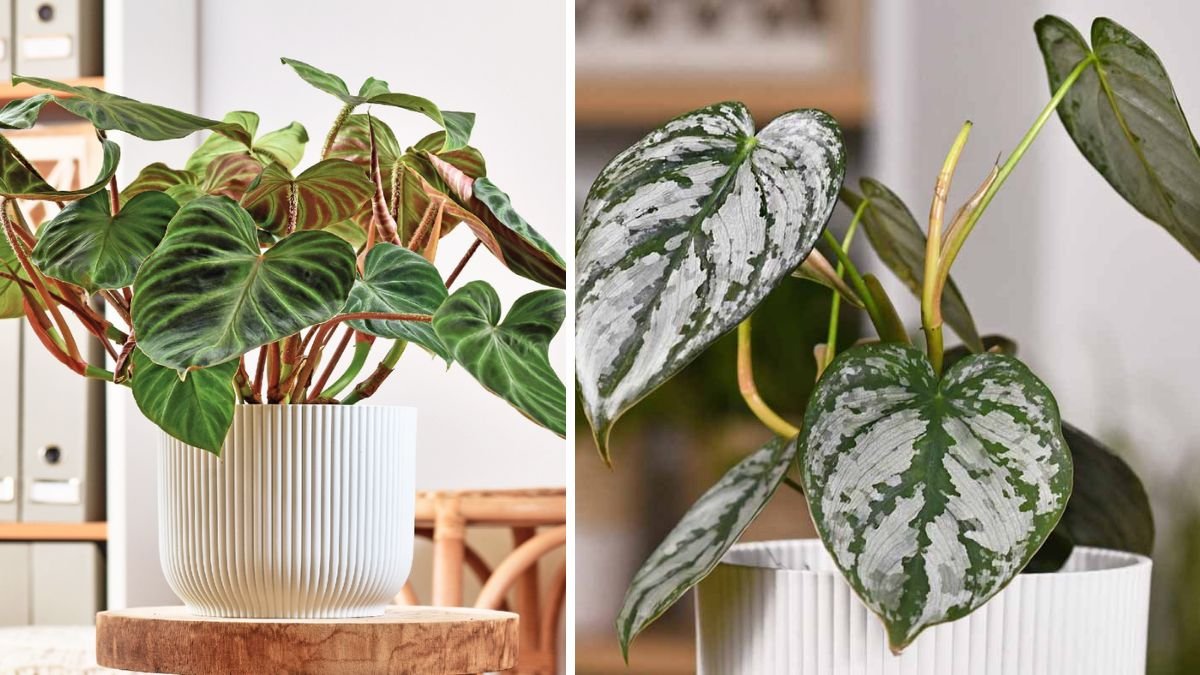
Philodendrons are among the most popular and easiest-to-care-for houseplants, beloved for their lush foliage, adaptability, and forgiving nature. Whether trailing from a hanging basket or climbing a support pole, these plants can transform any indoor space into a vibrant, tropical oasis. According to horticulture experts, with the right light, water, and occasional maintenance, philodendrons can thrive for years, providing greenery, air purification, and a touch of the tropics to your home.
This guide offers everything you need to know about caring for philodendrons, including tips on light, watering, fertilization, pruning, propagation, and pest management, ensuring your plant grows healthy and beautiful.
Why Philodendrons Are Ideal Houseplants
Philodendrons are favored by both beginner and experienced plant enthusiasts for several reasons:
- Adaptability: They thrive in a variety of indoor conditions, from low light to bright indirect sunlight.
- Low maintenance: Philodendrons are forgiving if you occasionally forget to water or make minor mistakes.
- Air purification: Like many tropical plants, they help filter indoor air, removing toxins such as formaldehyde.
- Variety: With hundreds of species and cultivars, from heartleaf to split-leaf varieties, there’s a philodendron for every space and style.
- Versatility: They can trail, climb, or sit in containers, adapting to your home environment.
Experts note that their resilience and visual appeal make philodendrons an excellent choice for enhancing indoor spaces.
Step 1: Choosing the Right Philodendron
There are several types of philodendrons, each with unique characteristics:
- Heartleaf Philodendron (Philodendron hederaceum): Trailing vines with heart-shaped leaves; perfect for hanging baskets or shelves.
- Split-Leaf Philodendron (Philodendron bipinnatifidum): Large, deeply lobed leaves; ideal as a dramatic floor plant.
- Philodendron Brasil: Variegated green and yellow leaves; popular for brightening indoor spaces.
- Philodendron Micans: Velvety, dark green leaves with subtle highlights; trailing or climbing growth habit.
Experts recommend selecting a variety based on available space, desired growth habit, and lighting conditions.
Step 2: Light Requirements
Light is one of the most important factors in keeping a philodendron healthy:
- Bright, indirect light: Most philodendrons thrive in filtered sunlight or near east- or west-facing windows.
- Low light tolerance: Heartleaf and other hardy varieties tolerate low light but may grow more slowly and produce smaller leaves.
- Avoid direct sunlight: Strong sun can scorch leaves and cause discoloration.
Experts emphasize observing the plant: pale or yellowing leaves may indicate insufficient light, while scorched leaves suggest too much direct sunlight.
Step 3: Watering
Proper watering is essential for healthy philodendrons:
- Check soil moisture: Water when the top 1–2 inches of soil are dry.
- Avoid overwatering: Philodendrons are prone to root rot if soil remains soggy.
- Drainage: Always use pots with drainage holes to prevent standing water.
- Humidity: Moderate to high humidity encourages lush growth; occasional misting or a pebble tray can help.
Experts suggest adjusting watering frequency based on season: more in spring and summer, less in fall and winter.
Step 4: Soil and Fertilization
Philodendrons thrive in a rich, well-draining potting mix:
- Soil mix: A combination of peat, perlite, and high-quality potting soil works well.
- Fertilization: Feed with a balanced liquid fertilizer every 4–6 weeks during the growing season (spring and summer).
- Organic options: Compost tea or diluted fish emulsion provides a gentle alternative.
Experts caution against over-fertilizing, which can lead to salt buildup in soil and damage roots.
Step 5: Pruning and Maintenance
Regular maintenance keeps philodendrons healthy and attractive:
- Pruning: Trim leggy or damaged stems to encourage fuller growth.
- Leaf care: Wipe leaves with a damp cloth to remove dust, allowing for better photosynthesis.
- Support climbing varieties: Use moss poles, trellises, or stakes to guide vertical growth.
Experts note that pruning also helps prevent overcrowding and improves air circulation around the plant.
Step 6: Repotting
Philodendrons grow relatively quickly and benefit from occasional repotting:
- Timing: Every 1–2 years or when roots outgrow the pot.
- Pot size: Choose a pot 1–2 inches larger in diameter than the current container.
- Technique: Gently loosen roots, replace old soil, and water lightly.
Repotting provides fresh nutrients and room for growth, keeping your philodendron vigorous.
Step 7: Propagation
Philodendrons are easy to propagate, making it simple to expand your indoor plant collection or share with friends:
- Stem cuttings: Cut a section with at least one node and place it in water or moist soil.
- Rooting: Roots typically develop within 2–4 weeks.
- Transplanting: Once roots are established, plant in a potting mix and care for it as a mature plant.
Experts recommend using clean, sharp scissors to prevent infection during propagation.
Step 8: Pest Management
Philodendrons are generally pest-resistant but may occasionally attract:
- Spider mites: Tiny webbing on leaves; treat with insecticidal soap.
- Mealybugs: White, cotton-like clusters; remove with a cotton swab dipped in alcohol.
- Aphids: Small green or black insects; rinse leaves or use neem oil.
Experts advise monitoring plants regularly, especially in low-humidity or indoor heating environments, where pests are more common.
Step 9: Common Problems and How to Avoid Them
- Yellowing leaves: Often caused by overwatering or low light. Adjust watering schedule or move to brighter location.
- Drooping leaves: May indicate underwatering, low humidity, or root stress.
- Leggy growth: Too little light; increase exposure to bright, indirect light.
Understanding the plant’s signals helps correct issues early, ensuring consistent, healthy growth.
Step 10: Styling Your Philodendron
Philodendrons are versatile in interior design:
- Trailing varieties: Hang in baskets or let cascade from shelves.
- Climbing varieties: Train up moss poles or trellises to create vertical interest.
- Tabletop displays: Compact varieties like Philodendron ‘Brasil’ or ‘Micans’ are perfect for desks or side tables.
- Mix and match: Combine with other tropical plants like pothos, monsteras, or ferns for a lush indoor jungle feel.
Experts highlight that philodendrons’ adaptability makes them ideal for nearly any indoor environment.
Step 11: Benefits of Keeping Philodendrons
- Air purification: They remove indoor pollutants such as formaldehyde.
- Low-stress plant care: Great for beginners or busy households.
- Decorative appeal: Adds greenery, texture, and life to interiors.
- Easy propagation: Makes sharing plants simple and rewarding.
Philodendrons combine aesthetic, environmental, and practical benefits, making them one of the most versatile houseplants.
Step 12: Final Tips from Experts
- Rotate plants occasionally to ensure even growth on all sides.
- Avoid cold drafts and sudden temperature fluctuations.
- Inspect plants regularly for pests and nutrient deficiencies.
- Be patient; philodendrons grow steadily, rewarding consistent care over time.
Experts emphasize that consistent care and attention to environmental conditions are key to long-lasting health and beauty.
Final Thoughts
Philodendrons are among the easiest and most rewarding houseplants to grow, making them a staple for indoor plant lovers. According to horticulture experts, thriving philodendrons depend on proper light, careful watering, nutrient-rich soil, and routine maintenance. By choosing the right variety and following these expert care tips, your philodendron can flourish for years, filling your home with lush, vibrant greenery and tropical elegance.
With their versatility, resilience, and aesthetic appeal, philodendrons are more than just houseplants—they’re living decor that purifies the air, enhances your indoor environment, and offers endless enjoyment for plant enthusiasts of all levels.