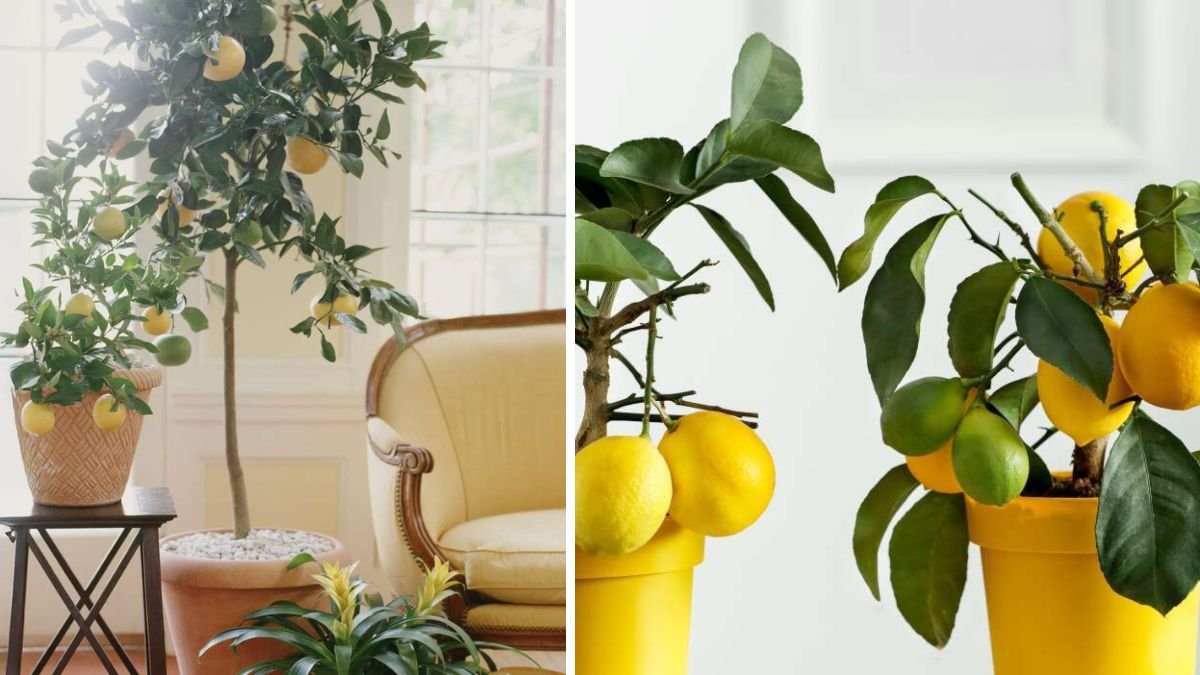
Imagine harvesting fresh lemons, figs, or even miniature apples right from your living room. While growing fruit trees is often associated with outdoor orchards, horticulture experts say that with the right varieties and care, several fruit trees can thrive indoors. Indoor fruit trees not only provide homegrown produce but also add lush greenery, fragrance, and a touch of nature to your interior spaces.
This guide explores the best fruit trees for indoor cultivation, tips for care, and how to maximize fruit production even in small spaces.
Why Grow Fruit Trees Indoors?
Indoor fruit trees offer unique benefits:
- Year-round harvest: Some varieties bloom and fruit continuously under ideal indoor conditions.
- Space efficiency: Compact and dwarf varieties are perfect for apartments or homes without outdoor gardens.
- Aesthetic value: Many indoor fruit trees have attractive foliage, flowers, and fruit that enhance interior design.
- Sustainability: Growing your own fruit reduces reliance on store-bought produce.
- Air quality: Like other houseplants, fruit trees contribute to cleaner indoor air.
Experts highlight that selecting the right varieties and providing proper conditions are essential to indoor success.
Step 1: Choosing the Right Indoor Fruit Tree
Not all fruit trees are suited for indoor life. Experts recommend selecting:
- Dwarf or semi-dwarf varieties: They stay manageable in pots and produce fruit in confined spaces.
- Self-pollinating species: Reduces the need for multiple trees for fruiting.
- Slow-growing types: Easier to maintain indoors.
Some of the most recommended indoor fruit trees include:
- Lemon Trees (Citrus limon)
- Dwarf varieties like ‘Meyer Lemon’ are compact, fragrant, and productive.
- Requires bright, indirect sunlight and well-draining soil.
- Calamondin Orange (Citrus × microcarpa)
- Small, tangy fruits; thrives in containers.
- Adaptable to indoor light, though bright indirect sun is ideal.
- Figs (Ficus carica)
- Dwarf varieties can produce sweet fruit indoors.
- Likes sunlight and moderate watering.
- Miniature Apples (Malus domestica)
- Certain dwarf cultivars can thrive in containers with proper pruning.
- Need bright light and occasional fertilization.
- Strawberries (Fragaria × ananassa)
- Compact and fast-fruiting; can be grown in hanging pots or windowsills.
- Requires consistent moisture and sunlight.
- Olives (Olea europaea)
- Small cultivars produce fruit indoors in sunny locations.
- Slow-growing and drought-tolerant.
- Fig-leaf Guava (Psidium guajava var.)
- Compact and fruiting variety for indoor pots.
- Needs bright light and well-draining soil.
Experts recommend starting with one or two trees to gain experience before expanding your indoor orchard.
Step 2: Light Requirements
Light is one of the most critical factors for indoor fruit tree success:
- Bright, indirect light: Most indoor fruit trees thrive in sunny windowsills, especially south- or west-facing.
- Supplemental lighting: Grow lights may be necessary in winter months or for trees in low-light areas.
- Duration: Aim for 8–12 hours of light per day, depending on species.
Experts emphasize monitoring leaves for signs of insufficient light, such as yellowing, slow growth, or leaf drop.
Step 3: Watering and Humidity
Indoor fruit trees require careful watering:
- Consistent moisture: Keep soil slightly moist but never waterlogged.
- Drainage: Always plant in pots with drainage holes to prevent root rot.
- Humidity: Many tropical fruit trees benefit from moderate humidity; use pebble trays, humidifiers, or misting if indoor air is dry.
Experts note that overwatering is the leading cause of indoor fruit tree problems, so checking soil moisture before watering is essential.
Step 4: Soil and Fertilization
Healthy soil supports growth and fruit production:
- Potting mix: Use a well-draining, fertile mix designed for fruit trees or citrus.
- Fertilization: Apply balanced, slow-release fertilizers or liquid fertilizer during the growing season (spring to early fall).
- pH: Slightly acidic to neutral soil (pH 6.0–7.0) is optimal for most indoor fruit trees.
Experts suggest feeding trees regularly but lightly, as indoor conditions can amplify fertilizer concentration and cause root burn.
Step 5: Pruning and Training
Pruning keeps indoor fruit trees manageable and productive:
- Shape and size: Trim back branches to maintain height and encourage bushier growth.
- Flower and fruit support: Remove weak or crowded branches to focus energy on fruiting wood.
- Timing: Late winter or early spring is best for pruning most indoor trees.
Experts note that pruning is essential for air circulation, sunlight penetration, and healthy fruit production indoors.
Step 6: Pollination
Some indoor fruit trees require assistance for pollination:
- Self-pollinating species: Most dwarf citrus and fig trees fruit on their own.
- Manual pollination: Use a small brush or cotton swab to transfer pollen between flowers if necessary.
- Pollinator presence: Indoor spaces rarely have insects, so hand-pollination ensures fruiting.
Experts recommend observing flower development and gently assisting pollination to increase fruit yield.
Step 7: Repotting
Repotting ensures your indoor fruit trees remain healthy and productive:
- Frequency: Every 2–3 years, or when roots fill the pot.
- Pot size: Slightly larger than the previous container; avoid oversized pots that retain excess moisture.
- Technique: Gently loosen roots, refresh soil, and water lightly.
Repotting refreshes nutrients and prevents root-bound conditions that stunt growth and fruiting.
Step 8: Pests and Disease
Indoor fruit trees are susceptible to a few pests:
- Aphids, spider mites, and scale insects: Inspect leaves and stems regularly.
- Treatment: Remove pests manually or use horticultural oils and insecticidal soaps.
- Fungal issues: Avoid overwatering; ensure proper ventilation to reduce humidity-related problems.
Experts emphasize that regular monitoring and early intervention prevent small infestations from becoming severe.
Step 9: Harvesting
Harvesting at the right time ensures peak flavor:
- Citrus: Fruit is ripe when color develops fully and fruit feels slightly soft to the touch.
- Figs: Fruit should be soft, fragrant, and drooping slightly.
- Strawberries: Pick when fully red for the best taste.
- Olives and guava: Check recommended ripening times for your variety.
Experts recommend regular harvesting to encourage continued fruit production and prevent overburdening branches.
Step 10: Styling and Placement
Indoor fruit trees can enhance décor while producing food:
- Containers: Decorative pots complement interior design.
- Grouping: Place several fruit trees together to create a mini indoor orchard.
- Light placement: Rotate trees occasionally to ensure even growth.
- Decorative pruning: Train dwarf trees into attractive shapes without sacrificing fruiting.
Experts suggest that integrating indoor fruit trees into living spaces adds both beauty and function, creating a green focal point that rewards attention.
Step 11: Seasonal Care
Indoor fruit trees benefit from seasonal routines:
- Spring and summer: Focus on growth with bright light, water, and regular feeding.
- Fall: Reduce watering slightly and prepare trees for lower indoor light levels.
- Winter: Supplemental grow lights may be needed; slow growth is normal.
Experts note that understanding seasonal growth patterns indoors helps maintain tree health and optimize fruit production.
Step 12: Benefits of Indoor Fruit Trees
- Fresh produce: Enjoy fruits year-round, even without an outdoor garden.
- Indoor greenery: Adds natural beauty and calming greenery to interiors.
- Educational: Provides opportunities to learn about plant growth, pollination, and fruiting cycles.
- Sustainable living: Reduces reliance on store-bought produce and supports a more eco-friendly lifestyle.
Experts emphasize that indoor fruit trees combine aesthetics, functionality, and satisfaction for gardeners of all levels.
Final Thoughts
Growing fruit trees indoors is both possible and rewarding. According to horticulture experts, success depends on selecting dwarf or self-pollinating varieties, providing sufficient light, managing watering and nutrients, and performing light maintenance like pruning and pollination.
Whether you choose a fragrant lemon tree, a sweet fig, or a vibrant strawberry plant, indoor fruit trees offer fresh food, lush foliage, and an enriching gardening experience—all without the need for a large outdoor garden. With patience, observation, and proper care, anyone can enjoy the unique satisfaction of harvesting fruit from the comfort of their own home.
Indoor fruit trees prove that you don’t need acres of land to experience the joys of homegrown produce. By choosing the right varieties and following expert care practices, you can cultivate a thriving indoor orchard that nourishes both body and soul.