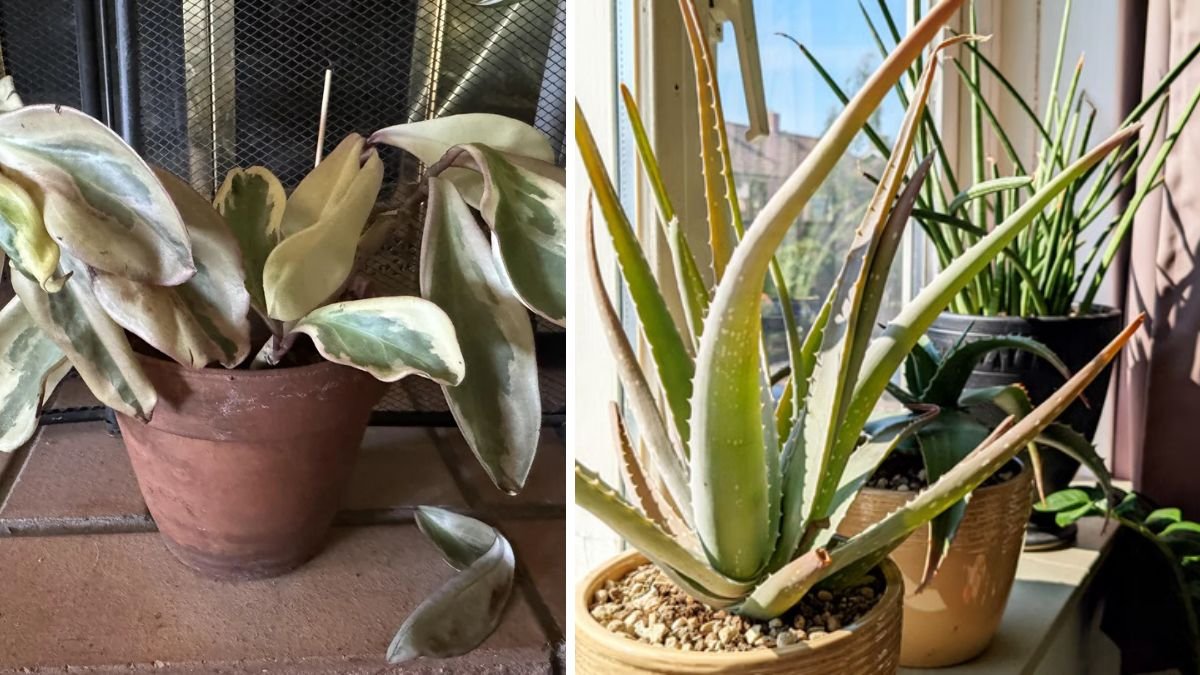
One of the most common questions for both new and experienced gardeners is: Is my plant getting the right amount of sunlight? Plants thrive when they receive the proper balance of light, but too much or too little can lead to stunted growth, discolored leaves, or even death. According to horticulture experts, subtle signs often reveal whether your plants are sun-starved or sunburned. Learning to recognize these cues is essential for healthy, thriving greenery.
This guide explores 14 clear ways to tell if your plants need more sun—or less—and offers tips for adjusting light conditions for optimal growth.
Why Light Matters for Plants
Plants rely on sunlight for photosynthesis, the process that converts light into energy. Both the intensity and duration of light are critical. Too little light can slow growth, reduce flowering, and cause weak stems, while too much can scorch leaves, fade colors, or dry out soil too quickly.
Experts emphasize that monitoring light exposure is a simple way to prevent problems before they become serious, making light management a key part of plant care.
Signs Your Plant Needs More Sun
- Leggy or stretched growth
- Stems grow long and thin as the plant reaches for more light.
- Leaves may be spaced far apart.
- Tip: Move the plant to a brighter location or supplement with grow lights.
- Slow growth
- The plant seems stuck in the same size for weeks or months.
- Lack of energy for new leaves or flowers often indicates insufficient light.
- Small or pale leaves
- Leaves may appear smaller than usual or lack deep coloration.
- Tip: Increase light gradually to avoid shock.
- Leaning toward light
- Plants naturally bend toward the strongest light source.
- A strong tilt indicates the current position doesn’t provide enough light.
- Reduced flowering or fruiting
- Flower buds may drop before opening, or fruit may fail to develop.
- Many flowering plants require full sun to produce blooms.
- Yellowing lower leaves
- In some plants, lower leaves yellow and drop due to lack of energy from insufficient sunlight.
- Leaf drop
- Plants may shed leaves when they can’t capture enough light to sustain growth.
Experts suggest using a light meter or simply observing natural sunlight patterns in your space to ensure plants receive the right intensity.
Signs Your Plant Needs Less Sun
- Scorched or bleached leaves
- Leaves appear faded, white, or brown in spots, particularly on the upper surface.
- Tip: Move the plant to filtered or indirect light.
- Curling or crispy edges
- Leaf edges may curl, dry out, or feel brittle due to excessive sun and heat.
- Leaf burn patterns
- Brown patches, especially on thin or delicate leaves, indicate sunburn.
- Wilting despite adequate water
- Plants can wilt under intense sunlight even if soil moisture is sufficient.
- Drooping leaves during peak sun hours
- A natural defense mechanism; leaves droop to reduce light exposure.
- Faded or washed-out coloration
- Bright colors of variegated or ornamental plants may dull in harsh light.
- Rapid soil drying
- Excessive sunlight can dry out the soil faster than roots can absorb water.
Experts recommend gradually moving plants away from intense sun rather than abrupt relocation to prevent shock.
How to Adjust Light for Your Plants
- Observe natural light patterns
- Track sun exposure throughout the day to identify bright and shaded areas.
- Use sheer curtains
- Filter strong sunlight to protect delicate plants while still providing sufficient light.
- Supplement with artificial lights
- LED grow lights or fluorescent lamps can fill gaps for indoor plants.
- Rotate plants regularly
- Ensures all sides receive light, promoting even growth.
- Gradually acclimate plants
- When moving plants outdoors or to brighter spots, increase exposure slowly over 1–2 weeks.
- Choose appropriate species for your light conditions
- Low-light plants (like pothos or snake plants) thrive indoors, while sun-loving plants (like succulents or cacti) need direct light.
- Monitor soil moisture
- Adjust watering when light intensity increases to prevent dehydration.
Experts highlight that consistency is key: sudden changes in light can stress plants, so gradual adjustment and observation are essential.
Quick Tips for Indoor Gardeners
- South-facing windows usually provide the brightest natural light.
- East or west windows offer moderate sunlight for most houseplants.
- North-facing windows provide low light, suitable for shade-tolerant plants.
- Reflective surfaces like mirrors or white walls can increase available light.
- Pruning helps distribute light evenly to lower leaves.
Experts note that even indoor plants can suffer from too much or too little light, so awareness and observation are just as important as care routines like watering or fertilizing.
Quick Tips for Outdoor Gardeners
- Observe shade patterns caused by buildings, fences, or trees.
- Plant according to sun requirements: full sun (6–8 hours), partial sun/shade (3–6 hours), or full shade (<3 hours).
- Use shade cloths to protect tender plants during hot summer afternoons.
- Seasonal adjustments: Light intensity changes throughout the year; adjust plant placement accordingly.
Experts emphasize that matching the plant to its light environment is more effective than trying to force a plant to adapt.
Benefits of Correct Light Exposure
- Healthy growth: Proper sunlight ensures vigorous stems, lush leaves, and robust roots.
- Better flowering and fruiting: Many plants only produce blooms or fruit with sufficient light.
- Reduced stress: Plants are less prone to pests, disease, and leaf drop when they receive the right light.
- Aesthetic appeal: Vibrant, evenly colored leaves enhance the beauty of your indoor or outdoor space.
According to horticulturists, paying attention to light cues allows gardeners to proactively prevent problems rather than treating symptoms after damage occurs.
Final Thoughts
Sunlight is one of the most important factors for plant health, yet it’s also one of the easiest to mismanage. Experts agree that observing plant behavior—such as leaf color, growth patterns, and orientation—offers the clearest indicators of whether a plant needs more sun or less.
By identifying and correcting light-related issues early, you can ensure your plants thrive, produce flowers or fruit, and maintain strong, healthy foliage. Whether you’re growing indoor houseplants or an outdoor garden, learning to read these 14 signs will help you strike the perfect balance of light for lush, vibrant greenery year-round.