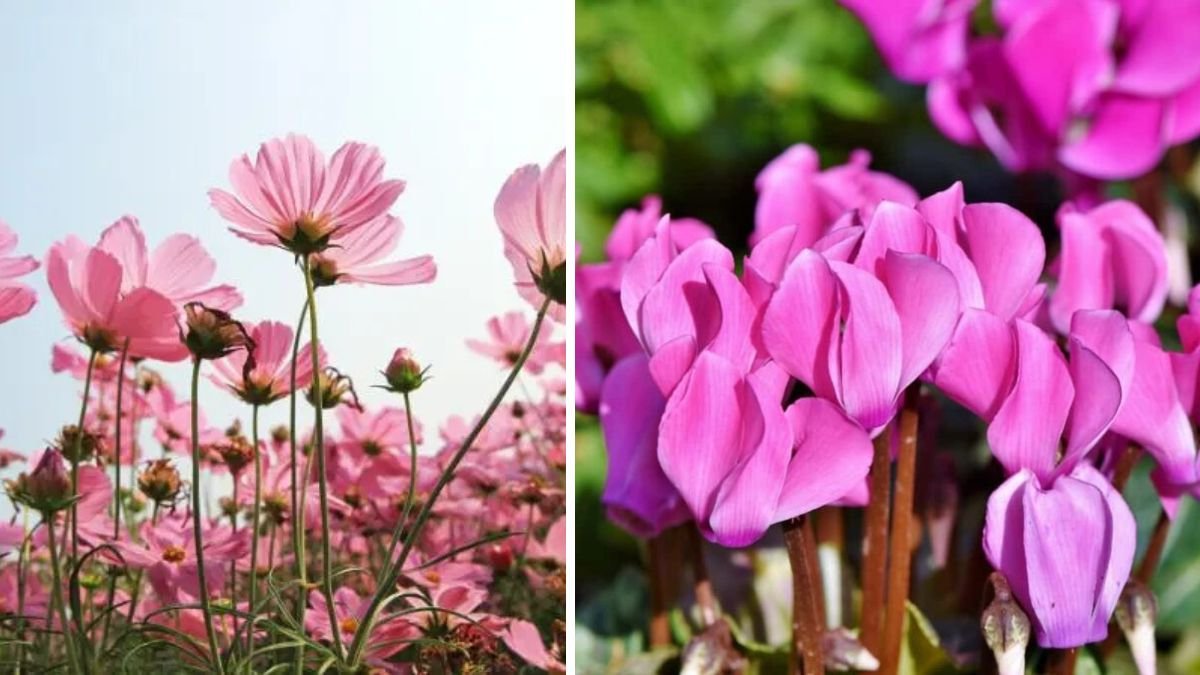
Nature has a way of teaching patience, and few examples are as striking as plants that spend years developing underground before finally flowering above the surface. These plants invest time and energy in building robust bulbs, tubers, or roots, emerging only when conditions are just right. Gardeners and horticulture experts alike are fascinated by these long-term bloomers, which reward patience with stunning flowers, often with surprising shapes, colors, and fragrances.
This guide highlights 15 remarkable plants that spend years underground before revealing their blossoms, along with tips for growing them successfully in your garden.
Why Some Plants Wait to Bloom
Many plants develop underground storage organs such as bulbs, corms, or tubers, which allow them to survive harsh conditions and gather nutrients over multiple years. They emerge only when conditions like temperature, moisture, and light are optimal.
Experts explain that this strategy ensures the plant has enough energy to produce flowers, attract pollinators, and set seeds successfully. While it requires patience from gardeners, the result is often a dramatic display worth the wait.
1. Corydalis flexuosa
- Growth cycle: Bulbs spend several years maturing underground before producing delicate, tubular flowers in spring.
- Bloom characteristics: Blue, violet, or pink flowers with a soft, cascading habit.
- Care tips: Plant in partial shade with well-draining soil; consistent moisture helps bulbs store energy for future blooms.
2. Trillium (Trillium spp.)
- Growth cycle: Slow-growing perennial that may take 3–7 years to flower from seed.
- Bloom characteristics: Three-petaled flowers in white, red, or purple, often in woodland areas.
- Care tips: Provide rich, humus-filled soil and partial to full shade; protect from early spring frost.
3. Camassia (Camassia quamash)
- Growth cycle: Bulbs spend several years underground, emerging in spring to bloom.
- Bloom characteristics: Tall spikes of star-shaped blue flowers that attract pollinators.
- Care tips: Full sun to partial shade; well-draining soil is essential to prevent rot.
4. Bloodroot (Sanguinaria canadensis)
- Growth cycle: Rhizomes slowly mature over years before producing early spring blooms.
- Bloom characteristics: White, delicate flowers atop short stems; leaves appear after flowering.
- Care tips: Shade-loving, woodland plant; maintain consistent moisture and organic-rich soil.
5. Fritillaria (Fritillaria spp.)
- Growth cycle: Bulbs may take 2–5 years to flower, depending on species.
- Bloom characteristics: Bell-shaped, sometimes checkered flowers in yellow, purple, or orange.
- Care tips: Plant in well-draining soil with full sun to partial shade; avoid waterlogged conditions.
6. Erythronium (Dog’s Tooth Violet)
- Growth cycle: Bulbs develop slowly underground before spring bloom.
- Bloom characteristics: Nodding, lily-like flowers in white, pink, or yellow; mottled foliage.
- Care tips: Prefers woodland gardens with moist, rich soil; protect from heavy frost.
7. Gladiolus (Gladiolus spp.)
- Growth cycle: Corms store energy over multiple seasons before blooming.
- Bloom characteristics: Tall spikes with vibrant flowers in red, orange, pink, or white.
- Care tips: Plant corms after frost in full sun; lift and store corms in winter in colder climates.
8. Colchicum (Autumn Crocus)
- Growth cycle: Bulbs remain underground through summer, blooming in fall.
- Bloom characteristics: Purple, pink, or white cup-shaped flowers emerging without leaves.
- Care tips: Full sun to partial shade; well-drained soil is essential to prevent rot.
9. Lilium (True Lilies)
- Growth cycle: Bulbs take several years to reach flowering size.
- Bloom characteristics: Tall stems with trumpet-shaped or upward-facing blooms in a variety of colors.
- Care tips: Plant in rich, well-draining soil with full sun; stake tall varieties to prevent flopping.
10. Arisaema (Jack-in-the-Pulpit)
- Growth cycle: Corms may require years of underground development before flowering.
- Bloom characteristics: Unique hooded flowers with striking coloration; foliage often dramatic.
- Care tips: Shade-loving woodland plant; keep soil moist and rich in organic matter.
11. Cyclamen (Cyclamen spp.)
- Growth cycle: Tubers slowly mature underground before winter or spring flowering.
- Bloom characteristics: Upswept petals in pink, white, red, or purple; attractive patterned leaves.
- Care tips: Bright indirect light; well-draining soil; allow foliage to die back naturally.
12. Allium (Ornamental Onion)
- Growth cycle: Bulbs spend years underground storing energy for a single bloom season.
- Bloom characteristics: Globe-shaped clusters of purple, white, or yellow flowers atop tall stalks.
- Care tips: Full sun; well-draining soil; excellent for pollinator gardens.
13. Eremurus (Foxtail Lily)
- Growth cycle: Tubers develop underground for several years before flowering.
- Bloom characteristics: Tall, spiky blooms in pink, white, yellow, or orange; dramatic garden statement.
- Care tips: Full sun; sandy, well-drained soil; protect young plants from harsh winter conditions.
14. Paphiopedilum (Slipper Orchid)
- Growth cycle: Often slow to bloom, developing underground or in pots for years.
- Bloom characteristics: Unusual, slipper-shaped flowers with exotic colors and markings.
- Care tips: Shade-loving; high humidity and regular watering required; avoid direct sun.
15. Scilla (Squill)
- Growth cycle: Bulbs remain dormant underground for years before flowering in early spring.
- Bloom characteristics: Blue, white, or purple star-shaped flowers; ideal for woodland or rock gardens.
- Care tips: Partial sun to full shade; well-drained soil; naturalizes easily in temperate climates.
Tips for Growing Long-Term Bloomers
- Patience is key: Most of these plants will not bloom for 2–7 years; don’t dig up bulbs prematurely.
- Proper soil: Well-draining, nutrient-rich soil helps bulbs and tubers develop robustly.
- Consistent moisture: Avoid extremes; most woodland species prefer evenly moist soil.
- Protect from pests: Slugs, rodents, and insects can damage underground storage organs.
- Mulching: Helps retain soil moisture and regulate temperature.
- Site selection: Plant according to each species’ sunlight preference—full sun, partial shade, or woodland conditions.
- Mark plant locations: Avoid accidental digging or disturbing underground bulbs.
Experts stress that long-term bloomers reward consistent care and patience, providing seasonal spectacles that are well worth waiting for.
Why These Plants Are Worth the Wait
- Unique blooms: Many of these plants offer unusual or dramatic flowers rarely seen in fast-blooming species.
- Surprise factor: Their sudden emergence after years underground creates an element of surprise and delight.
- Pollinator appeal: Many long-term bloomers attract bees, butterflies, and other pollinators.
- Garden structure: Bulbs and tubers often form naturalized clusters, adding texture and depth to perennial borders.
Horticulturists agree that including long-term underground bloomers adds patience, intrigue, and long-term rewards to any garden.
Final Thoughts
Plants that spend years underground before flowering are nature’s lesson in patience, persistence, and timing. From trilliums and bloodroots to gladiolus and foxtail lilies, these long-term bloomers require gardeners to trust the process. While they demand patience, the payoff is spectacular—a vivid, unexpected burst of color and life after years of quiet development beneath the soil.
Experts highlight that the key to success is understanding each plant’s natural cycle, providing the right soil, moisture, and sunlight conditions, and avoiding premature disturbance. For those willing to wait, these plants bring a remarkable sense of achievement, beauty, and wonder to any garden, proving that sometimes the best things truly are worth waiting for.