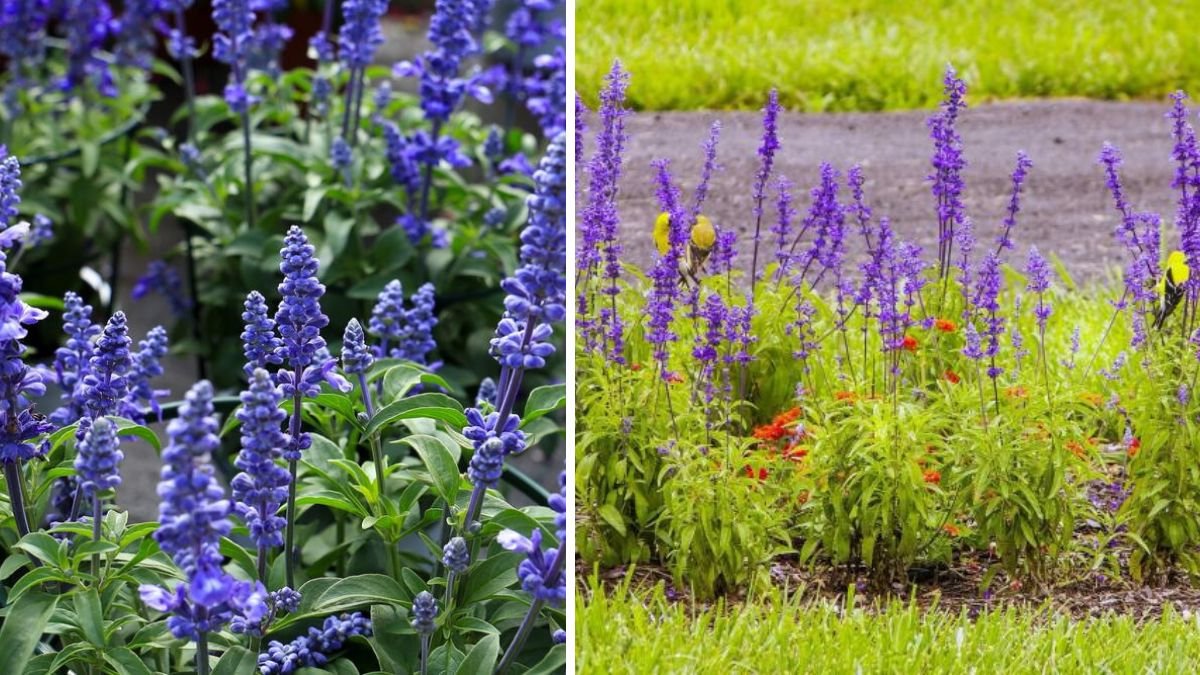
Salvia, with its vibrant spikes of purple, red, blue, or pink flowers, is a favorite among gardeners for attracting pollinators and adding long-lasting color to borders, containers, and garden beds. What many gardeners may not realize is that a single salvia plant can provide years of blooms if properly cared for, propagated, and maintained. Experts in horticulture reveal the techniques that allow one plant to thrive indefinitely, offering beauty and fragrance season after season.
This guide explains how to grow, care for, propagate, and maintain a salvia plant so it becomes a permanent and productive part of your garden.
Why Salvia is a Garden Favorite
Salvia (commonly called sage) is part of the mint family, known for its aromatic foliage and vibrant, nectar-rich flowers that attract bees, butterflies, and hummingbirds. There are annual, perennial, and woody varieties, each with slightly different care requirements. Experts emphasize that perennial salvias are ideal for long-term growth, while annual varieties can be maintained through propagation techniques to continue flowering year after year.
The combination of resilience, attractiveness to pollinators, and ease of propagation makes salvia a versatile plant for any garden.
Step 1: Choosing the Right Salvia Variety
Not all salvias are created equal in terms of longevity:
- Perennial salvias: These include Salvia nemorosa, Salvia greggii, and Salvia officinalis. They return year after year with proper care.
- Annual salvias: Often grown for color in a single season, but can be kept growing through cuttings.
- Woody salvias: Shrub-like varieties that can live for many years if pruned correctly.
Experts advise selecting varieties suited to your climate zone and intended garden use. Perennials and woody types are the best candidates for “one plant forever” success.
Step 2: Planting for Longevity
Proper planting sets the foundation for a long-lived salvia plant:
- Location: Choose a sunny site with at least 6 hours of direct sunlight daily. Salvias thrive in full sun but can tolerate partial shade.
- Soil: Well-draining soil is essential. Sandy or loamy soils are ideal. Avoid heavy clay that retains water.
- Spacing: Give plants room to grow; spacing of 12–24 inches allows airflow and reduces disease risk.
- Amendments: Mix compost or organic matter into the soil to provide nutrients and improve drainage.
Experts stress that establishing the plant in ideal conditions minimizes stress and encourages vigorous growth and long-lasting blooms.
Step 3: Watering and Feeding
Although salvia is relatively drought-tolerant, proper watering and feeding maximize longevity:
- Watering: Deep, infrequent watering encourages strong root development. Let the top 1–2 inches of soil dry out between watering sessions.
- Fertilization: Apply a balanced, slow-release fertilizer in spring as growth resumes. Avoid high-nitrogen fertilizers, which promote foliage at the expense of flowers.
- Mulching: A 2–3 inch layer of organic mulch conserves moisture, regulates temperature, and suppresses weeds.
Experts note that overwatering is one of the most common causes of salvia decline, so it’s essential to balance hydration with drainage.
Step 4: Pruning for Perennial Productivity
Pruning is the key to keeping a salvia plant vibrant year after year:
- Deadheading: Remove spent flowers throughout the blooming season to encourage new spikes.
- End-of-season pruning: Cut back perennial salvias in late winter or early spring to promote fresh growth.
- Shaping: For woody varieties, prune to maintain size and prevent woody stems from overtaking softer growth.
According to horticulture experts, consistent pruning prolongs bloom periods, prevents legginess, and keeps the plant healthy and attractive.
Step 5: Propagation to Preserve Your Plant
Even the most robust salvia plant benefits from propagation to replace aging stems or share with others:
- Stem cuttings: Take 3–4 inch semi-hardwood cuttings in late spring or summer. Remove lower leaves and root in moist, well-draining soil or water until roots form.
- Division: Some perennial salvias produce multiple clumps that can be separated every few years in early spring.
- Seed propagation: Collect seeds after flowering; while slower, this ensures genetic continuity.
Experts recommend starting cuttings regularly to maintain a healthy, long-lived plant without losing vigor.
Step 6: Pest and Disease Management
Salvia is relatively pest-resistant, but vigilance helps maintain plant longevity:
- Common pests: Aphids, spider mites, and whiteflies occasionally attack leaves and stems.
- Fungal issues: Powdery mildew can appear in humid conditions or poor air circulation.
- Prevention: Provide full sun, proper spacing, and remove diseased foliage promptly.
Horticulturists suggest that a proactive approach to plant health ensures your salvia continues to bloom year after year.
Step 7: Seasonal Care
Experts emphasize adapting care to the seasons:
- Spring: Apply fertilizer, prune dead stems, and start propagation.
- Summer: Maintain watering, deadhead flowers, and monitor for pests.
- Fall: Reduce fertilization and begin pruning lightly; prepare for winter in colder regions.
- Winter: Protect tender salvias with mulch or move container plants indoors if necessary.
Seasonal attention keeps the plant healthy and prepares it for a long life in your garden.
Step 8: Attract Pollinators for Natural Support
Salvia blooms attract bees, butterflies, and hummingbirds, which help fertilize flowers and promote seed production. Experts recommend planting near other pollinator-friendly plants to enhance biodiversity and garden health. Pollinator activity also indicates a thriving, stress-free plant environment.
Step 9: Container vs. In-Ground Planting
Salvia can thrive in both containers and garden beds:
- Containers: Offer mobility to optimize sunlight exposure and protect from frost. Ensure proper drainage.
- In-ground: Ideal for long-term establishment; select well-draining soil and provide space for growth.
Experts note that container plants may require more frequent watering and feeding, but they provide flexibility for gardeners in colder climates.
Step 10: Monitoring Plant Health
Maintaining a single salvia plant for many years requires consistent observation:
- Leaf color: Healthy leaves are deep green; yellowing may indicate nutrient deficiency or overwatering.
- Stem vigor: Firm, upright stems indicate healthy growth; floppy stems may require pruning or support.
- Flower production: Abundant blooms reflect proper care, while reduced flowering signals a need for attention to light, water, or soil conditions.
Regular monitoring allows gardeners to catch problems early, preserving the plant’s longevity.
Why a Single Salvia Plant Can Last Forever
Experts explain that with proper care, pruning, and propagation, a salvia plant can effectively become immortal in the garden:
- Energy storage: Perennial salvias develop strong root systems that store energy for multiple seasons.
- Resilient growth: Hardy varieties withstand temperature fluctuations, drought, and occasional pests.
- Propagation: Taking cuttings ensures new stems can replace aging ones indefinitely.
By investing time and care into a single plant, gardeners can enjoy years of flowers without needing to replant annually.
Final Thoughts
A single salvia plant can be the cornerstone of a long-lasting, vibrant garden. Experts highlight that the keys to “one plant forever” success include:
- Selecting a perennial or woody variety suited to your climate
- Planting in sunny, well-draining soil
- Regular pruning and deadheading
- Consistent watering and balanced fertilization
- Propagation through cuttings or division
- Seasonal care and monitoring for pests and disease
With patience and attention, a single salvia plant can provide years of beauty, attract pollinators, and become a dependable feature of your garden. It’s a testament to the rewards of long-term gardening, showing that careful nurturing allows one plant to flourish season after season, creating a lasting legacy in your outdoor space.