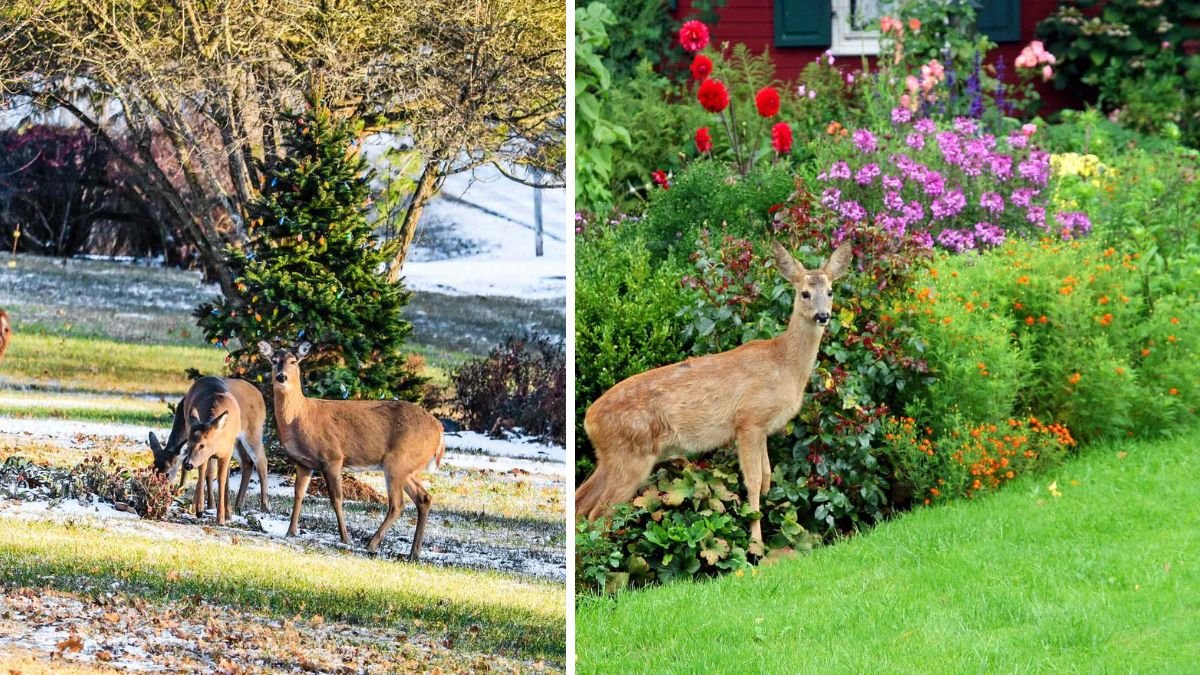
Winter can be a challenging season for gardeners. The cold, short days, and often snowy or frosty conditions make it difficult for many plants to thrive. On top of that, deer can cause significant damage, nibbling tender shoots and decimating favorite plants. Fortunately, gardening experts have identified several hardy plants that not only survive winter conditions but are also typically avoided by deer. By incorporating these into your garden, you can enjoy color, texture, and structure even when wildlife is on the move.
This guide highlights seven expert-recommended plants for a winter garden that deer are less likely to eat, along with care tips to keep your garden vibrant throughout the colder months.
Why Deer Avoid Certain Plants
Deer are selective feeders. While they’ll eat tender leaves, flowers, and fruits, they tend to avoid plants that have:
- Strong scents (e.g., aromatic herbs)
- Tough, fuzzy, or waxy leaves
- Bitter or toxic compounds
Experts recommend combining these characteristics with plants that are naturally hardy in your region, allowing gardeners to create a winter garden that remains visually appealing without constant deer damage.
1. Hellebores (Helleborus spp.)
- Why deer avoid them: Hellebores contain compounds that are mildly toxic and have a bitter taste.
- Winter appeal: Often called “Christmas rose” or “Lenten rose,” they bloom from late winter to early spring, providing early color when few other plants are flowering.
- Care tips: Plant in partial to full shade with rich, well-draining soil. Mulch around roots in winter to protect from frost.
- Expert insight: Hellebores are low-maintenance and thrive under deciduous trees, making them ideal for woodland-style winter gardens.
2. Boxwood (Buxus spp.)
- Why deer avoid them: Boxwoods have leathery, aromatic leaves that deer typically find unappealing.
- Winter appeal: Evergreen foliage adds structure and greenery to the garden when most other plants are dormant.
- Care tips: Plant in full sun to partial shade. Ensure good drainage and prune lightly in early spring to maintain shape.
- Expert insight: Boxwoods are versatile and can serve as hedges, borders, or foundation plantings, providing year-round structure.
3. Lavender (Lavandula spp.)
- Why deer avoid them: The strong fragrance and slightly sticky, aromatic foliage repel deer.
- Winter appeal: Hardy lavender varieties remain evergreen in mild winter climates and provide subtle color and texture.
- Care tips: Full sun and well-draining soil are essential. Prune after flowering to encourage bushy growth and prevent legginess.
- Expert insight: Lavender also attracts pollinators during late blooms and adds a delightful scent to winter gardens.
4. Heuchera (Coral Bells)
- Why deer avoid them: Fuzzy or textured leaves are less palatable, and some varieties have mildly bitter foliage.
- Winter appeal: Many varieties maintain colorful foliage through winter, from deep burgundy to bright lime green, adding vibrancy to dormant beds.
- Care tips: Plant in partial shade with well-draining soil. Divide clumps every few years to maintain vigor.
- Expert insight: Heucheras are ideal for underplanting shrubs or creating colorful edging in winter borders.
5. Ornamental Grasses (e.g., Miscanthus, Pennisetum)
- Why deer avoid them: Tough, fibrous leaves and stems are unappealing.
- Winter appeal: Dried foliage and seed heads add movement, texture, and structure to winter gardens. Some grasses like Miscanthus show striking bronze or copper tones.
- Care tips: Cut back to 6–12 inches above ground in late winter or early spring to encourage new growth.
- Expert insight: Ornamental grasses provide privacy and windbreaks while maintaining garden interest during barren months.
6. Snowdrops (Galanthus spp.)
- Why deer avoid them: Snowdrops contain bitter compounds that deer typically reject.
- Winter appeal: Bloom very early, often pushing through snow to create delicate white flowers that brighten the winter landscape.
- Care tips: Plant bulbs in well-draining soil in partial to full shade. Allow foliage to die back naturally to feed the bulbs for the next season.
- Expert insight: Snowdrops naturalize well, multiplying over the years to create carpets of early winter blooms.
7. Sedum (Stonecrop)
- Why deer avoid them: Thick, succulent leaves are unappetizing and difficult to chew.
- Winter appeal: Many sedums maintain interesting foliage and seed heads throughout winter, and their pastel blooms provide late-season color before frost.
- Care tips: Full sun and well-draining soil are best. Cut back spent flowers in early spring.
- Expert insight: Sedums are drought-tolerant, low-maintenance, and ideal for rock gardens, borders, and containers.
Expert Tips for a Deer-Resistant Winter Garden
- Combine multiple deer-resistant plants: Planting a mix increases the likelihood of protecting your garden.
- Use companion plants: Aromatic herbs like rosemary, thyme, or sage can act as a natural deterrent around more vulnerable plants.
- Mulch strategically: Mulching retains soil moisture, protects roots, and discourages deer from digging.
- Fencing and barriers: In areas with high deer populations, low-profile fencing or garden netting may be necessary.
- Plant in clusters: Grouping resistant plants together reinforces visual deterrence and creates a fuller winter display.
- Monitor deer activity: Knowing peak times and patterns helps you implement protective measures.
Experts emphasize that no plant is completely deer-proof, but a combination of naturally unappealing plants, strategic placement, and occasional deterrents significantly reduces browsing damage.
Benefits of Planning a Winter Garden
- Year-round visual interest: Even in dormancy, texture, color, and form keep the garden engaging.
- Supports wildlife: Resistant plants attract pollinators and beneficial insects while keeping deer from overbrowsing.
- Low maintenance: Many deer-resistant plants are hardy perennials, requiring minimal care through harsh months.
- Garden structure: Evergreens, grasses, and late-season perennials maintain form and fill beds when deciduous plants are bare.
According to horticulturists, winter gardens provide a sense of continuity and resilience, making early spring transitions smoother and visually appealing.
Final Thoughts
Deer can be a challenge for winter gardening, but the right plant selections make it possible to enjoy a thriving, colorful, and structured landscape throughout the cold months. Hellebores, boxwoods, lavender, heuchera, ornamental grasses, snowdrops, and sedums combine resilience, aesthetic appeal, and natural deer resistance, creating gardens that remain vibrant and protected.
Experts recommend combining these plants with proper garden placement, mulching, and occasional protective strategies to maximize success. With careful planning, your winter garden can provide beauty, interest, and structure year after year—even in areas with high deer activity.
By understanding the plants deer tend to avoid and implementing expert tips, gardeners can enjoy a low-stress, high-reward winter garden that keeps flourishing season after season.