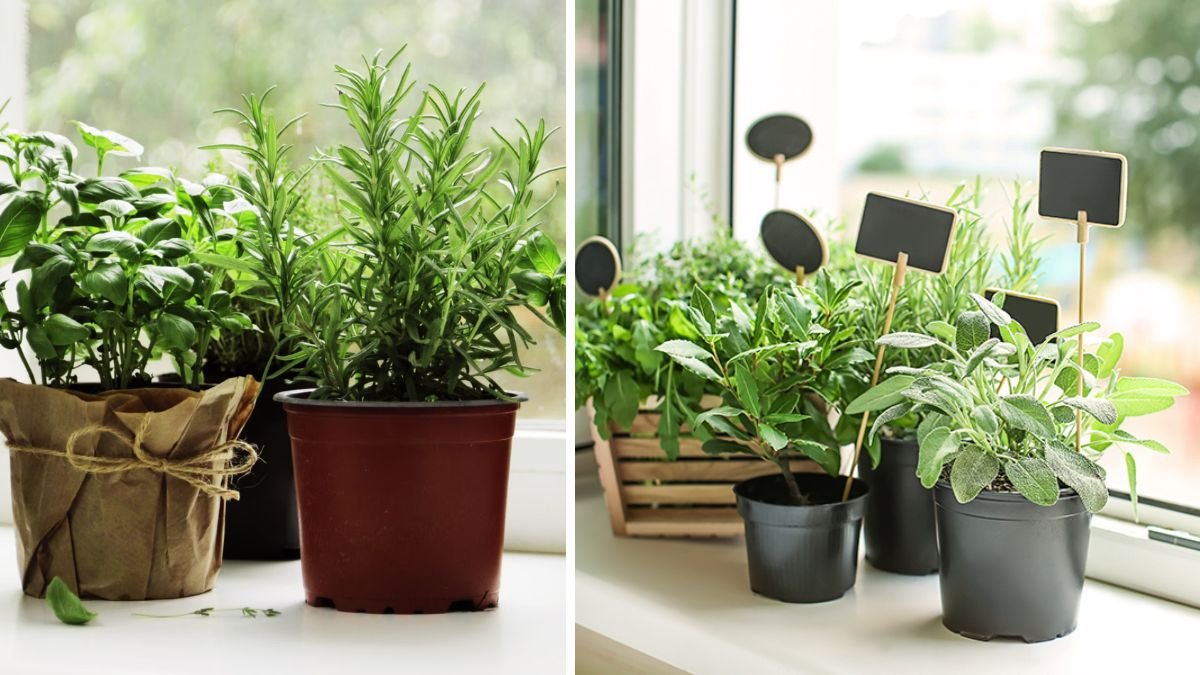
Few pleasures compare to harvesting fresh herbs from your own home. From fragrant basil for pasta to mint for tea, having a mini herb garden on your windowsill brings flavor, aroma, and a touch of greenery indoors. Even gardeners with limited outdoor space can enjoy year-round fresh herbs with the right setup. Experts reveal that successful windowsill herb gardens are all about light, soil, water, and choosing the right varieties.
This guide covers the best herbs to grow indoors, tips for maximizing growth, and practical advice to keep your indoor garden thriving.
Why Grow Herbs Indoors
Growing herbs indoors offers several advantages:
- Year-round freshness: You can harvest anytime, regardless of outdoor conditions.
- Space efficiency: Perfect for apartments or homes without outdoor gardens.
- Control over growing conditions: You manage light, water, and soil, reducing pests and diseases.
- Aromatherapy benefits: Many herbs release pleasant fragrances that enhance indoor air.
Horticulturists emphasize that windowsill herb gardening requires understanding plant needs and providing consistent care, but the results are well worth the effort.
Choosing the Right Herbs
Not all herbs thrive indoors. Experts recommend selecting varieties that are compact, hardy, and responsive to pot growth. Here are some top choices:
1. Basil (Ocimum basilicum)
- Growing conditions: Needs at least 6 hours of sunlight daily; prefers warmth and humidity.
- Care tips: Keep soil consistently moist but not waterlogged. Pinch off flowers to encourage leaf growth.
- Expert insight: Basil responds well to trimming; frequent harvesting promotes bushy growth.
2. Chives (Allium schoenoprasum)
- Growing conditions: Prefers bright light; tolerates partial shade.
- Care tips: Water moderately and trim leaves to encourage fresh shoots.
- Expert insight: Chives are hardy perennials that grow quickly indoors, making them ideal for kitchens.
3. Mint (Mentha spp.)
- Growing conditions: Thrives in bright indirect light; prefers moist soil.
- Care tips: Plant in a separate pot to prevent spreading; trim regularly to prevent legginess.
- Expert insight: Mint grows vigorously indoors and is perfect for teas, desserts, and garnishes.
4. Parsley (Petroselinum crispum)
- Growing conditions: Bright light, ideally 4–6 hours daily; well-draining soil.
- Care tips: Keep soil slightly moist; cut stems from the base to encourage regrowth.
- Expert insight: Parsley grows slower than basil or chives but provides constant fresh leaves when harvested carefully.
5. Thyme (Thymus vulgaris)
- Growing conditions: Needs full sun; tolerates dry soil.
- Care tips: Water sparingly; allow soil to dry between watering. Prune to encourage dense growth.
- Expert insight: Thyme’s compact form and fragrant foliage make it ideal for small windowsill spaces.
6. Rosemary (Rosmarinus officinalis)
- Growing conditions: Requires bright, direct light; well-draining soil is essential.
- Care tips: Avoid overwatering; mist occasionally to provide humidity in dry homes.
- Expert insight: Rosemary grows slowly indoors but rewards patience with aromatic leaves for cooking and decoration.
7. Oregano (Origanum vulgare)
- Growing conditions: Full sun; well-draining soil.
- Care tips: Prune regularly to prevent woody stems; avoid overwatering.
- Expert insight: Oregano adapts well to indoor pots and produces flavorful leaves for year-round culinary use.
Selecting Containers and Soil
Experts highlight that the right pot and soil are crucial for windowsill herbs:
- Containers: Choose pots with drainage holes to prevent root rot. Terracotta, ceramic, or lightweight plastic pots all work well.
- Size: Small to medium pots (4–6 inches) suit most herbs; larger pots can be used for slower-growing or bushier varieties.
- Soil: Use a high-quality, well-draining potting mix designed for herbs or indoor plants. Avoid garden soil, which may compact in containers.
Maximizing Light
Light is the most important factor for windowsill herbs:
- South-facing windows: Provide the best sunlight in northern hemispheres.
- East or west-facing windows: Adequate for herbs that tolerate partial sun.
- Supplemental lighting: Grow lights can fill gaps in winter or low-light homes; LED lights with full-spectrum bulbs mimic natural sunlight.
Experts note that insufficient light leads to legginess, slow growth, and weaker flavor. Rotating pots periodically ensures even exposure.
Watering and Humidity
Proper hydration is key for healthy indoor herbs:
- Consistency: Keep soil slightly moist but not soggy. Avoid letting herbs sit in standing water.
- Drainage: Always empty saucers under pots to prevent root rot.
- Humidity: Indoor air can be dry, especially in winter. Mist herbs lightly or place a small tray of water nearby to maintain moderate humidity.
Experts caution that overwatering is the most common mistake in indoor herb care, leading to yellowing leaves and root disease.
Pruning and Harvesting
Pruning is not just for aesthetics—it promotes growth and prolongs the life of your herbs:
- Pinch regularly: Removing leaf tips encourages bushier growth and prevents flowering.
- Harvest strategically: Cut leaves from the top, avoiding more than one-third of the plant at a time.
- Flower management: Remove flowers from basil, parsley, or oregano to maintain leaf production.
Experts agree that regular attention and careful harvesting are essential for a productive windowsill herb garden.
Fertilization
Indoor herbs rely on potting soil nutrients, so periodic feeding is recommended:
- Liquid fertilizer: Apply a diluted, balanced fertilizer every 4–6 weeks during active growth.
- Slow-release options: Use granules in pots for longer-lasting nutrition.
- Caution: Avoid overfertilizing, which can produce lush leaves with reduced flavor.
Horticulturists emphasize that light fertilization helps herbs thrive without overpowering their natural flavors.
Pest Management
Even indoors, pests can occasionally appear:
- Common pests: Aphids, spider mites, and whiteflies.
- Prevention: Inspect plants regularly; isolate new plants before introducing them.
- Treatment: Wipe leaves with soapy water or use insecticidal soap if infestations occur.
Experts recommend proactive monitoring and maintaining plant health, which naturally reduces susceptibility to pests.
Seasonal Tips for Indoor Herb Care
- Winter: Rotate pots to maximize light; supplement with grow lights if necessary.
- Spring/Summer: Repot larger herbs; increase watering slightly as growth accelerates.
- Humidity management: Use pebble trays or occasional misting during dry months.
- Pruning schedule: Maintain regular pruning year-round to keep herbs productive and compact.
Seasonal adjustments ensure that your herbs thrive regardless of outdoor weather conditions.
Expert Advice on Combining Herbs
Experts suggest designing your windowsill garden for both aesthetics and productivity:
- Mix textures: Combine leafy herbs like parsley with upright varieties like rosemary.
- Group by light needs: Place sun-loving herbs in the brightest spots and shade-tolerant herbs slightly further back.
- Container arrangement: Use tiered or multi-pot stands to maximize space and sunlight exposure.
Thoughtful arrangement enhances both growth and the visual appeal of your indoor herb garden.
Final Thoughts
Growing herbs on your windowsill is a simple and rewarding way to bring fresh flavors, color, and greenery indoors. By selecting the right herbs, providing sufficient light, proper watering, pruning, and fertilization, even small indoor spaces can become productive herb gardens.
Experts emphasize that regular attention, seasonal adjustments, and strategic harvesting are the keys to a thriving indoor herb collection. From basil and chives to rosemary and thyme, windowsill herbs offer endless culinary possibilities while enhancing the beauty and atmosphere of your home.
With a little care and planning, your windowsill can become a lush, fragrant, and ever-useful herb garden that provides fresh ingredients year-round, making every meal tastier and your indoor space more vibrant.