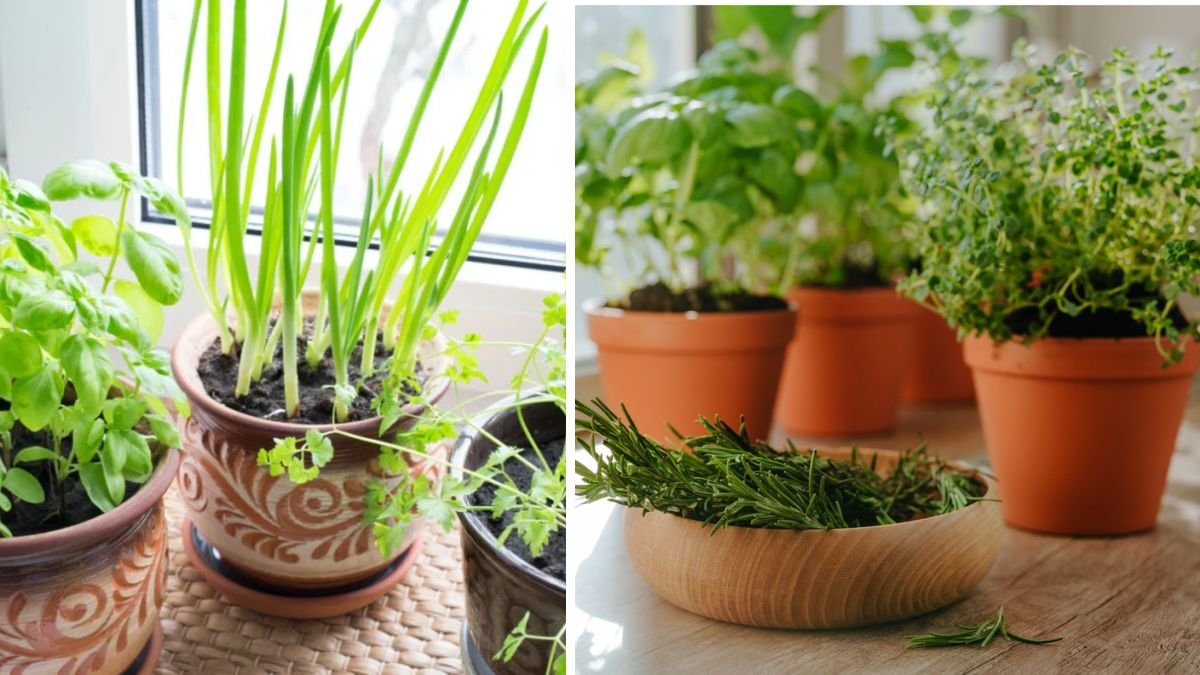
Growing your own food indoors has never been easier or more rewarding. Even without a backyard garden, you can cultivate fresh herbs, leafy greens, and small vegetables right on your windowsill, balcony, or under grow lights. Experts reveal that choosing the right plants, providing sufficient light, proper soil, and consistent care can transform your indoor space into a productive mini-garden that supplies fresh ingredients year-round.
This guide highlights 20 herbs and vegetables ideal for indoor growing, along with expert tips for maximizing yield, flavor, and plant health.
Why Grow Herbs and Vegetables Indoors
Indoor gardening offers several benefits:
- Year-round access to fresh produce: Grow herbs and vegetables even in winter or in urban apartments.
- Control over growing conditions: Avoid pesticides and manage soil, water, and light for healthier plants.
- Space efficiency: Small pots, containers, and vertical gardening systems maximize limited indoor space.
- Convenience: Harvest at your fingertips for cooking, garnishing, and snacking.
Horticulturists emphasize that indoor gardening is particularly effective for plants with compact growth, short harvest cycles, or tolerance for container life.
Herbs to Grow Indoors
Herbs are typically the easiest plants to grow indoors because they are compact, forgiving, and respond well to pruning. Experts recommend the following:
1. Basil (Ocimum basilicum)
- Needs bright light and warmth; harvest leaves regularly to encourage bushy growth.
2. Chives (Allium schoenoprasum)
- Thrives in sunny windowsills; snip leaves from the base for continuous growth.
3. Mint (Mentha spp.)
- Prefers partial sunlight; plant in a separate container to prevent invasive spreading.
4. Parsley (Petroselinum crispum)
- Bright, indirect light; keep soil moist and cut stems near the base.
5. Thyme (Thymus vulgaris)
- Needs full sun; water sparingly and prune to maintain dense growth.
6. Rosemary (Rosmarinus officinalis)
- Requires bright light; well-draining soil is essential to prevent root rot.
7. Oregano (Origanum vulgare)
- Full sun; prune frequently to encourage bushiness and prevent woody stems.
8. Cilantro (Coriandrum sativum)
- Tolerates partial sun; harvest leaves frequently and remove flowers to prolong leaf production.
9. Sage (Salvia officinalis)
- Needs bright light; drought-tolerant, so water when soil dries out.
10. Dill (Anethum graveolens)
- Requires full sun and well-draining soil; support taller stems with small stakes.
Experts highlight that frequent trimming of herbs encourages leaf production and prevents legginess.
Vegetables for Indoor Growth
Certain vegetables are well-suited for container life and indoor conditions. Experts recommend:
11. Lettuce (Lactuca sativa)
- Grows quickly in shallow containers; prefers bright, indirect light.
12. Spinach (Spinacia oleracea)
- Thrives in cooler indoor temperatures; keep soil consistently moist.
13. Kale (Brassica oleracea var. sabellica)
- Compact varieties do best indoors; harvest leaves from the base.
14. Arugula (Eruca sativa)
- Fast-growing; tolerates partial sunlight and requires regular harvesting.
15. Radishes (Raphanus sativus)
- Grow in deep containers; harvest small roots in 3–4 weeks.
16. Green onions (Allium fistulosum)
- Can regrow from kitchen scraps in water or soil; thrives in indirect sunlight.
17. Cherry tomatoes (Solanum lycopersicum var. cerasiforme)
- Needs full sun or supplemental grow lights; stake plants for support.
18. Peppers (Capsicum annuum)
- Compact varieties are best; provide at least 6–8 hours of light.
19. Microgreens (various species)
- Quick-growing, nutrient-dense; ideal for small trays under lights.
20. Baby carrots (Daucus carota subsp. sativus)
- Grow in deep containers; loose, sandy soil improves root development.
Horticulturists note that leafy greens, radishes, and microgreens are especially beginner-friendly because of their fast growth cycles and minimal space requirements.
Expert Tips for Indoor Growing
1. Lighting
- Bright sunlight from south- or west-facing windows works best.
- For low-light spaces, use full-spectrum LED grow lights 12–16 hours per day.
2. Containers and Soil
- Ensure pots have drainage holes to prevent waterlogging.
- Use high-quality, well-draining potting mix formulated for herbs and vegetables.
3. Watering
- Keep soil consistently moist but not soggy.
- Water at the base of the plant to reduce risk of fungal issues.
4. Fertilization
- Use diluted, balanced liquid fertilizer every 2–4 weeks.
- Avoid over-fertilization, which can reduce flavor in herbs and leafy greens.
5. Air Circulation
- Good airflow prevents mold and strengthens stems.
- Rotate plants regularly for even growth.
6. Harvesting
- Regular harvesting encourages growth and prolongs productivity.
- For herbs, pinch leaves frequently; for vegetables, harvest young leaves or roots to maintain ongoing production.
Experts emphasize that indoor gardening requires a balance of light, water, and pruning. Plants respond well to consistent care and attention, producing higher yields and stronger flavors.
Combining Herbs and Vegetables
Experts suggest arranging indoor plants strategically:
- Group by light needs: Sun-loving tomatoes, peppers, and basil together; partial-shade herbs like parsley and chives can sit slightly back.
- Use vertical space: Shelving or tiered planters maximize windowsill or balcony space.
- Mix leaf textures and colors: Creates visual interest and keeps the indoor garden lively.
Thoughtful arrangement encourages growth and makes harvesting easier.
Benefits of Growing Indoors
- Fresh ingredients year-round: No more relying on store-bought herbs or vegetables.
- Cost savings: Reduces grocery bills for fresh herbs and leafy greens.
- Therapeutic effects: Indoor gardening reduces stress, improves focus, and brightens your space.
- Control over quality: Avoid pesticides and chemicals by growing organically.
Horticulturists note that indoor gardening is not just practical but also enhances the aesthetic and functional value of any living space.
Final Thoughts
Growing herbs and vegetables indoors is accessible for beginners and experienced gardeners alike. By selecting the right 20 plants—from basil and mint to cherry tomatoes and microgreens—providing adequate light, soil, water, and care, you can enjoy a productive indoor garden all year.
Experts emphasize that regular pruning, harvesting, and seasonal adjustments are essential for long-term success. With attention and planning, even a small windowsill or balcony can yield fresh, flavorful herbs and vegetables that elevate your meals and bring greenery into your home.
An indoor herb and vegetable garden is more than just a convenience; it’s a lifestyle upgrade that combines beauty, nutrition, and satisfaction, allowing you to cultivate food and wellness in your own space.