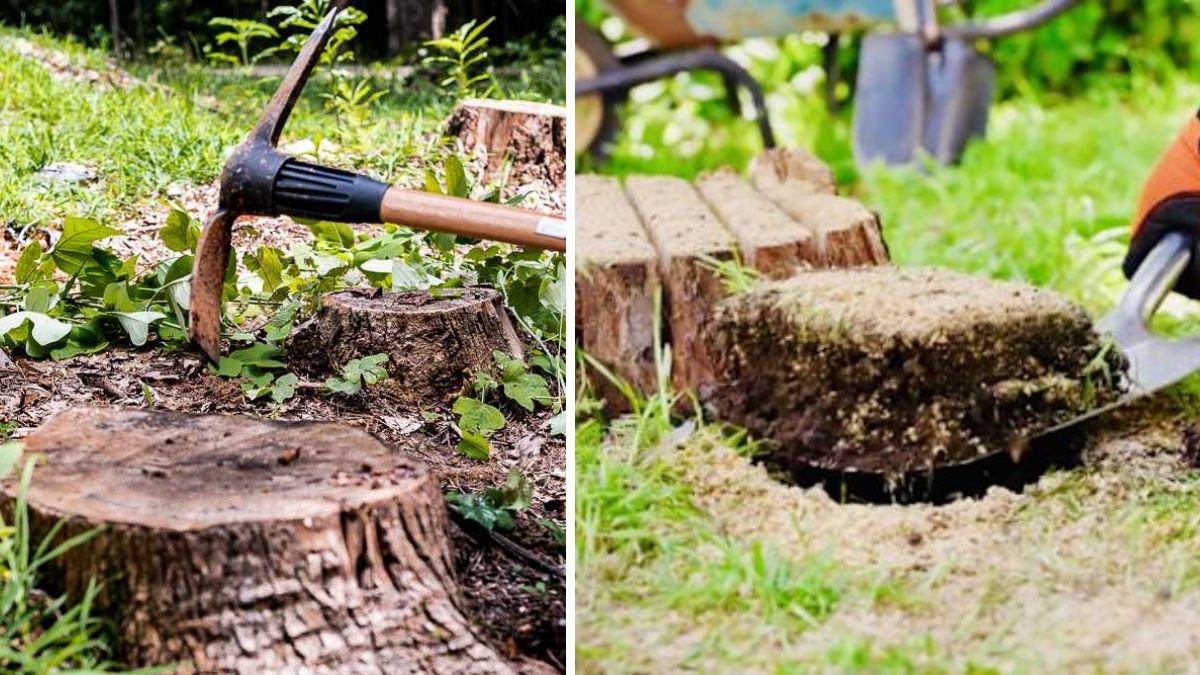
Why Proper Stump Removal Matters
Tree stumps aren’t just an eyesore—they can compromise your yard’s health. Left unattended, stumps may attract pests such as termites, foster fungal growth, and even sprout new shoots. Removing or killing stumps helps protect your landscape and prevents future lawn or garden problems.
Whether you’re a DIY enthusiast or planning to hire professional help, choosing the right tool and technique is essential to tackle stubborn stumps efficiently. Today, modern tools make stump removal faster and more effective than ever.
Best Tools to Remove Stubborn Stumps
1. Stump Grinders – The Top Choice for Speed & Efficiency
Stump grinders are specialized machines designed to grind stumps below ground level using rotating carbide teeth. They are fast, thorough, and suitable for medium to large stumps.
Types of stump grinders:
- Walk-behind grinders – Perfect for residential yards.
- Tow-behind or tracked grinders – Heavy-duty machines ideal for larger properties.
- Tractor/Stump Grinder Attachments – Convert your existing tractor into a powerful stump-removal machine.
Pro Tip: If you don’t want to buy a grinder, many hardware stores offer rentals. Daily rentals are much cheaper than hiring a full-service tree removal company.
Stump grinders allow you to remove even stubborn, deeply rooted stumps efficiently, reducing the labor and time required compared to manual methods.
2. Chainsaws and Drill Tools – For Prep Work
Before using a grinder, cutting the stump as close to the ground as possible makes the job easier.
- Chainsaws: High-powered chainsaws quickly reduce large trunk sections to manageable sizes.
- Power drills: Useful for drilling holes in the stump to apply chemical stump removers or to weaken dense wood.
These tools are invaluable when dealing with stumps that are difficult to access or too large for manual removal. Using them properly can make the grinding process faster and less labor-intensive.
3. Hand Tools – Digging and Root Cutting
Even with machinery, hand tools remain essential for certain situations, especially for smaller stumps or tight spaces.
- Mattocks and pickaxes: Perfect for loosening soil and cutting through tough roots.
- Root saws and reciprocating saws: Excellent for detailed root removal in confined spaces.
- Shovels, spades, and digging bars: Used for soil removal and providing leverage when pulling out roots.
Manual tools work best when combined with mechanical methods. They are also a cost-effective option when renting heavy machinery isn’t feasible.
4. Alternative Methods for Persistent Stumps
Sometimes, mechanical and manual tools alone aren’t enough. Alternative methods can complement these approaches:
- Chemical stump removers: Potassium nitrate accelerates decomposition, allowing stumps to break down faster. Ideal when immediate removal isn’t necessary.
- Burning techniques: Carefully applied, burning can reduce stubborn stumps. Always check local regulations before attempting this method.
While these methods take longer, they reduce physical labor and can be combined with grinding or digging to finish the job more easily.
Safety Tips for Stump Removal
Safety should always be a priority when removing stumps. Tools like grinders, chainsaws, and digging equipment are powerful and can cause injury if used improperly.
Essential safety gear includes:
- Safety goggles and helmets
- Ear protection for loud machinery
- Heavy-duty gloves and cut-resistant pants
- Steel-toed boots
Always read the manufacturer’s instructions for equipment and follow proper safety protocols. Planning the work area, keeping bystanders clear, and ensuring stable footing are all critical for a safe stump-removal process.
Step-by-Step Approach to Removing a Stubborn Stump
- Assess the stump size and root spread – Understanding what you’re dealing with helps you choose the right tools.
- Trim the stump close to the ground – Use a chainsaw to remove excess height.
- Loosen soil and cut roots – A mattock, shovel, or root saw can help free the stump from surrounding soil.
- Grind the stump – For large stumps, a stump grinder is the fastest and most efficient approach.
- Optional chemical treatment – Drill holes into the remaining stump and apply a chemical remover to speed decomposition.
- Clean and fill the hole – After removal, fill the hole with soil to prevent tripping hazards and prepare for replanting or landscaping.
This structured approach minimizes frustration and ensures the stump is removed safely and efficiently.
Authoritative Sources for Guidance
For further information and expert advice, consult these reputable sources:
- The Spruce – Comprehensive guides on stump removal and garden maintenance. (thespruce.com)
- Bob Vila – Expert reviews and recommendations for stump grinders and removal techniques. (bobvila.com)
- Wikipedia – Technical overview of stump grinders and their history. (en.wikipedia.org)
- Gardening Services London – Tips on essential tools, equipment, and safety practices. (gardeningservices.london)
Final Thoughts
Removing stubborn tree stumps doesn’t have to be a labor-intensive ordeal. With the right combination of tools, techniques, and safety practices, even the most challenging stumps can be removed efficiently.
From stump grinders for heavy-duty removal, to hand tools for precision root work, and chemical treatments for decomposition, homeowners and professionals alike have multiple options. Proper preparation, understanding your stump’s size and root system, and using appropriate safety gear are key to success.
By equipping yourself with knowledge, professional-grade tools, and safety precautions, you can tackle stubborn stumps like a pro—keeping your yard beautiful, safe, and ready for new landscaping.