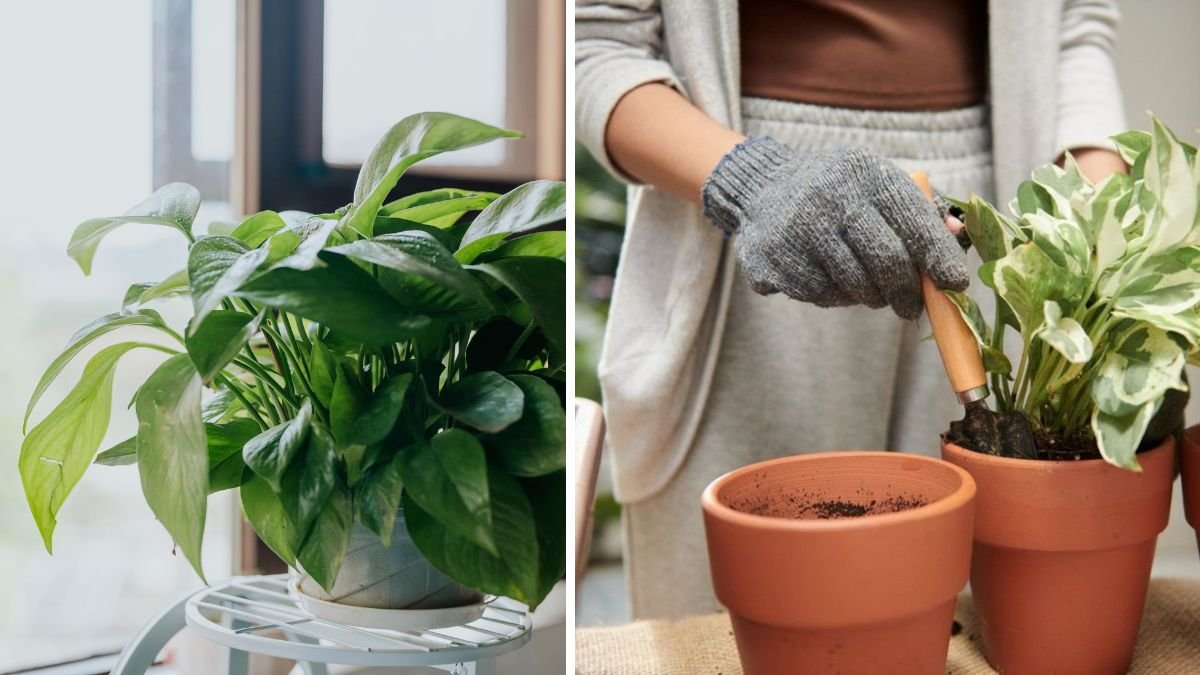
Why Repotting Is Essential for a Healthy Pothos
Pothos (Epipremnum aureum) is one of the most popular houseplants in the world—and for good reason. It’s adaptable, forgiving, and capable of thriving in a wide range of indoor conditions. However, even this low-maintenance plant needs proper care to stay vibrant year-round. One of the most important yet often overlooked steps in pothos care is repotting.
Repotting refreshes depleted soil, prevents root overcrowding, improves drainage, and gives the plant space to continue growing. Without repotting, pothos can become root-bound, leading to slow growth, yellowing leaves, poor water absorption, and increased risk of root rot. When done correctly, repotting revitalizes your plant and helps it thrive in every season.
How Often Should You Repot a Pothos?
Most pothos plants need repotting every one to two years, depending on their growth rate and environment. Faster growth often occurs in bright, indirect light with regular watering and feeding, which means the plant may outgrow its pot sooner.
Signs Your Pothos Needs Repotting
Look for these common indicators:
- Roots growing out of drainage holes
- Soil drying out very quickly after watering
- Slowed or stalled growth
- Leaves turning yellow despite proper care
- The plant becoming top-heavy or unstable
If you notice several of these signs, it’s likely time to repot.
Best Time of Year to Repot Your Pothos
The ideal time to repot a pothos is spring through early summer, during its active growing season. At this time, the plant can recover quickly from root disturbance and establish itself in fresh soil.
Avoid repotting in late fall or winter when growth naturally slows. Repotting during dormancy can stress the plant and delay recovery.
Choosing the Right Pot
Pot selection plays a major role in pothos health.
Pot Size
Choose a container that is 1–2 inches larger in diameter than the current pot. Going too large too fast can cause excess moisture retention, increasing the risk of root rot.
Drainage Is Non-Negotiable
Always use a pot with drainage holes. Pothos roots are highly sensitive to sitting in water, and poor drainage is one of the leading causes of plant failure.
Pot Material
- Plastic pots retain moisture longer and are lightweight
- Terracotta pots dry out faster and improve airflow to roots
Either option works as long as watering is adjusted accordingly.
The Best Soil Mix for Pothos
Pothos thrives in light, well-draining soil that retains some moisture but never becomes soggy.
Ideal DIY Soil Blend
- 60% high-quality indoor potting mix
- 30% perlite (for aeration and drainage)
- 10% orchid bark or coconut coir (for structure and moisture balance)
This blend supports strong root development and prevents compaction over time.
Avoid garden soil, which is too dense for indoor containers and can harbor pests.
Step-by-Step: How to Repot Your Pothos
1. Prepare Your Supplies
You’ll need:
- New pot with drainage
- Fresh soil mix
- Clean scissors or pruning shears
- Gloves (optional)
2. Remove the Plant Gently
Turn the pot on its side and carefully slide the pothos out. If it’s stuck, gently tap the pot or squeeze the sides to loosen the root ball.
3. Inspect and Loosen Roots
Check the roots for signs of rot (black, mushy, or foul-smelling roots). Trim any damaged sections using sterilized scissors. Gently loosen tightly bound roots to encourage outward growth.
4. Add Fresh Soil
Place a layer of fresh soil at the bottom of the new pot. Position the pothos so it sits at the same depth as before—never deeper.
5. Fill and Firm
Fill in around the roots with soil, lightly pressing to remove air pockets. Do not compact the soil too tightly.
6. Water Thoroughly
Water until excess drains from the bottom. This helps settle the soil and hydrate the roots after transplanting.
Aftercare: Helping Your Pothos Recover
Light
Place your pothos in bright, indirect light. While it tolerates low light, brighter conditions promote fuller growth and stronger leaf color. Avoid direct sun, which can scorch leaves.
Watering
Allow the top 1–2 inches of soil to dry before watering again. Overwatering after repotting is a common mistake—roots need oxygen as much as moisture.
Fertilizing
Wait 3–4 weeks after repotting before fertilizing. Then feed monthly during spring and summer with a balanced liquid houseplant fertilizer diluted to half strength.
Temperature & Humidity
Pothos prefers temperatures between 65–85°F (18–29°C) and average household humidity. Occasional misting can help in dry environments, but it’s not essential.
Common Repotting Mistakes to Avoid
Using an Oversized Pot
Too much soil holds excess water, which suffocates roots and encourages rot.
Repotting Too Frequently
Constant repotting stresses the plant and interrupts growth. Stick to the 1–2 year rule unless the plant clearly needs it.
Poor Drainage
Even the best soil can’t save a pothos in a pot without drainage holes.
Repotting During Stress
Avoid repotting a pothos that is already struggling from pests, disease, or severe underwatering. Stabilize the plant first.
Why Repotting Helps Your Pothos Thrive All Year
Repotting does more than give your pothos extra room—it resets its growing environment. Fresh soil restores nutrients, improves oxygen flow to roots, and supports stronger water absorption. Healthy roots lead to thicker vines, larger leaves, and better resistance to stress from temperature changes or inconsistent watering.
When combined with proper light, watering, and occasional feeding, repotting ensures your pothos remains lush and attractive throughout the year—not just during peak growing seasons.
Authoritative Sources for Further Reading
For deeper guidance and expert-backed plant care information, explore these trusted resources:
- The Spruce – How to Grow and Care for Pothos
- Martha Stewart – Houseplant Fertilizing and Care Tips
- Plant Care Today – Pothos Soil and Repotting Advice
- University Extension Plant Care Resources
These sources provide science-based and practical advice suitable for both beginners and experienced plant owners.
Final Thoughts
Repotting your pothos plant is one of the simplest yet most powerful ways to keep it healthy, vibrant, and growing all year long. By choosing the right pot size, using well-draining soil, repotting at the correct time, and providing thoughtful aftercare, you create the ideal conditions for long-term success.
If your pothos looks tired, root-bound, or stalled, repotting may be exactly what it needs to thrive again. With the right approach, this easygoing houseplant will reward you with lush vines and beautiful foliage season after season.