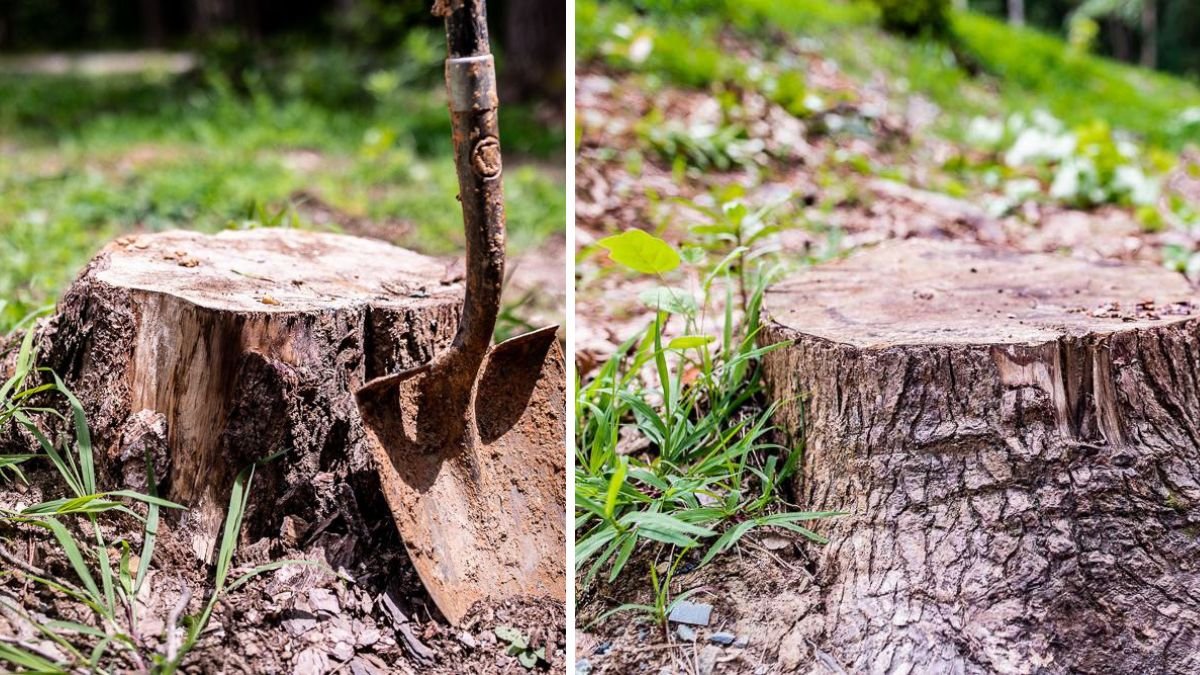
An old tree stump in your yard can be more than just an eyesore. Over time, it can attract pests, harbor disease, interfere with landscaping plans, and even become a safety hazard. Many homeowners put off stump removal because it seems difficult or expensive, but understanding how to remove an old tree stump in your yard makes the process far more manageable.
Whether you prefer a DIY approach or want to know when to call in professionals, this guide walks you through the most effective, up-to-date stump removal methods, their pros and cons, and what to do after the stump is gone.
Why Removing an Old Tree Stump Is Important
Tree stumps may look harmless, but leaving them in place can cause long-term problems. As a stump decays, it becomes a magnet for insects such as termites, ants, and beetles. Fungi can also develop, spreading disease to nearby plants and trees. In addition, stumps can interfere with lawn maintenance, damage mower blades, and create tripping hazards—especially in family yards.
From a landscaping perspective, a stump limits how you can use your space. Removing it opens the area for new grass, garden beds, patios, or walkways. For these reasons, stump removal is not just about aesthetics—it’s also about safety and long-term yard health.
Understanding Your Tree Stump Before Removal
Before choosing a removal method, it’s important to evaluate the stump itself. Consider the following factors:
- Size and age: Larger and older stumps are harder to remove manually.
- Root system: Trees like oak and maple have extensive root networks.
- Location: Stumps near buildings, fences, or underground utilities require extra caution.
- Timeline: Do you want the stump gone quickly, or are you willing to wait for gradual decay?
Your answers will help determine the safest and most effective method.
Manual Stump Removal: Digging It Out
Manual removal is best suited for small or medium-sized stumps with shallow roots. While labor-intensive, it gives you full control over the process without the need for heavy equipment.
How It Works:
- Dig around the base of the stump to expose the roots.
- Cut visible roots using a root saw, axe, or pruning saw.
- Rock the stump back and forth to loosen it from the ground.
- Pull the stump out once the roots are severed.
Watering the soil a day before digging can make the ground easier to work with.
Pros:
- No special machinery required
- Low cost
- Precise control in tight spaces
Cons:
- Physically demanding
- Time-consuming
- Not practical for large stumps
Stump Grinding: The Fastest Removal Method
Stump grinding is one of the most popular and efficient ways to remove an old tree stump. A stump grinder shreds the stump into wood chips, reducing it to below ground level.
You can rent a stump grinder from a home improvement store or hire a professional service. Grinding usually takes less than an hour per stump, depending on size.
Pros:
- Very fast results
- Minimal disruption to surrounding landscape
- Effective for large stumps
Cons:
- Equipment rental or service cost
- Roots remain underground and decompose over time
After grinding, the hole can be filled with soil, and the wood chips can be reused as mulch if desired.
Chemical Stump Removal Methods
Chemical stump removal is a slower but less physically demanding option. Commercial stump removers often contain potassium nitrate, which accelerates wood decomposition.
How It Works:
- Drill several deep holes into the stump.
- Fill the holes with chemical stump remover or Epsom salt.
- Moisten the stump and cover it with a tarp.
- Wait several weeks or months for the wood to soften.
Once decomposed, the stump can be broken apart with basic tools.
Pros:
- Requires minimal physical effort
- Suitable for old, dry stumps
Cons:
- Slow process
- Not ideal if you need immediate results
- Chemicals may not be suitable near gardens or water sources
Encouraging Natural Decay
If time is not an issue, you can allow the stump to decompose naturally while speeding up the process slightly. This method is the most eco-friendly and budget-friendly, though it requires patience.
Techniques to Speed Up Decay:
- Drill holes to increase surface exposure
- Keep the stump moist
- Add compost, nitrogen fertilizer, or organic matter
- Cover with soil or mulch
Natural decay can take months to years depending on the tree species and environmental conditions.
Pros:
- Environmentally friendly
- No tools or chemicals required
Cons:
- Very slow
- Stump remains visible for a long time
Burning a Tree Stump (Check Local Laws First)
Burning can be effective in rural areas where local regulations allow it. This method should be approached with extreme caution.
Basic Steps:
- Drill holes into the stump.
- Add a fire-starting material approved for outdoor use.
- Ignite the stump and monitor it closely.
- Keep water or a fire extinguisher nearby at all times.
Pros:
- Minimal digging required
Cons:
- Fire risk
- Smoke and safety concerns
- Often restricted by local laws
Burning is not recommended near buildings or in residential neighborhoods.
Tools and Equipment You May Need
Depending on your chosen method, common tools include:
- Shovel or spade
- Mattock or digging bar
- Root saw or chainsaw
- Drill with long wood bits
- Stump grinder (rented or professional)
- Protective gear such as gloves, goggles, and hearing protection
Using the correct tools improves safety and efficiency.
Safety Tips for Stump Removal
Safety should always be a top priority when removing an old tree stump.
- Wear protective equipment at all times
- Check for underground utilities before digging
- Keep children and pets away from the work area
- Take frequent breaks during manual labor
- Hire professionals if the stump is large or near structures
If you’re unsure, professional removal is often safer and more cost-effective in the long run.
What to Do After the Stump Is Removed
Once the stump is gone, proper restoration ensures your yard looks natural again.
- Fill the hole with topsoil and compact it gently.
- Water the area and allow the soil to settle.
- Reseed with grass or plant new landscaping.
- Monitor for soil sinking over the next few weeks and add more soil if needed.
This step is crucial for preventing uneven ground and promoting healthy lawn growth.
When to Hire a Professional
Professional stump removal is recommended if:
- The stump is very large or deeply rooted
- It’s close to a building, driveway, or underground lines
- You want fast, guaranteed results
- You don’t have access to proper tools
Professionals have the experience and equipment to remove stumps safely and efficiently.
Final Thoughts
Learning how to remove an old tree stump in your yard gives you the power to reclaim valuable outdoor space and protect your landscape from future problems. Whether you choose manual digging, stump grinding, chemical treatments, or natural decay, the right approach depends on your timeline, budget, and stump size.
With proper planning and safety precautions, stump removal doesn’t have to be intimidating. Once the stump is gone, your yard becomes a blank canvas—ready for new grass, gardens, or outdoor features that enhance both beauty and usability.