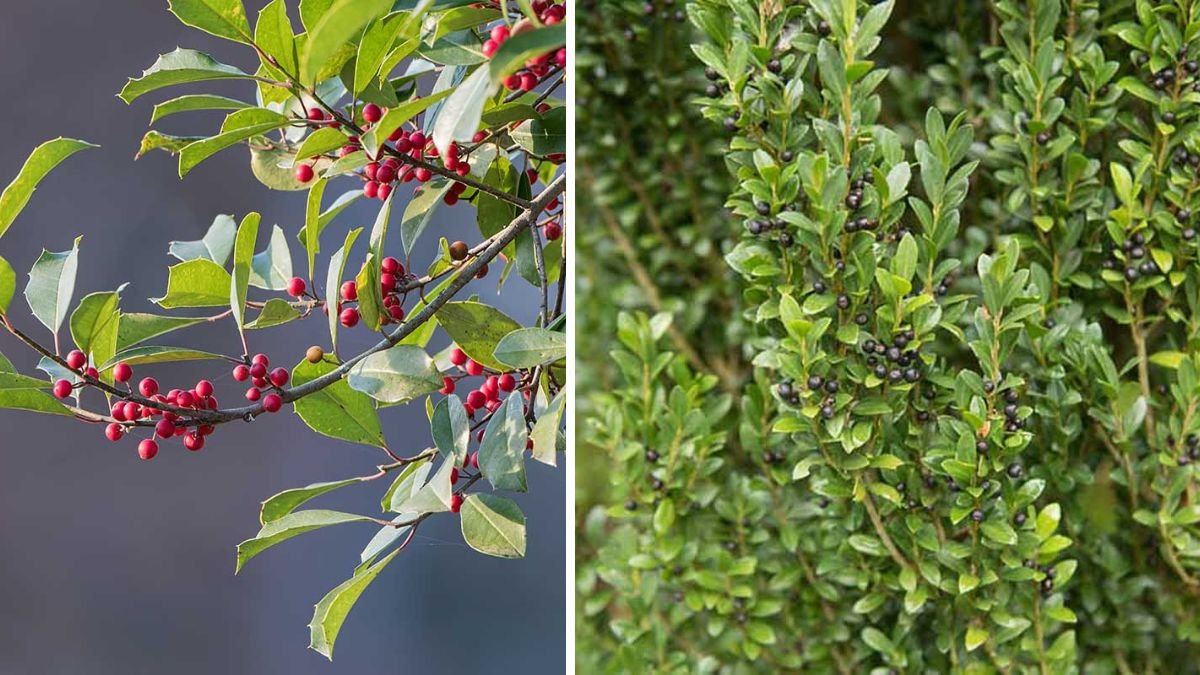
Holly shrubs and trees, scientifically classified under the genus Ilex, are among the most recognizable and enduring plants in gardens and natural landscapes around the world. While many people associate holly with winter decorations and festive traditions, the genus Ilex represents a remarkably diverse group of plants with ecological, ornamental, and cultural significance that extends far beyond the holiday season.
This deep dive explores Holly shrubs & trees – Ilex species in detail, examining their botanical traits, major species, ecological value, cultivation uses, and the reasons they remain such a popular choice for landscapes across many climates.
Understanding the Ilex Genus
Ilex is the sole genus within the family Aquifoliaceae and includes an estimated 400 to over 600 species worldwide. These plants range from compact shrubs to large trees and occur in temperate, subtropical, and tropical regions across Europe, Asia, the Americas, and parts of Africa. Depending on the species and climate, hollies can be evergreen or deciduous.
One defining characteristic of holly shrubs and trees is their dioecious nature. This means individual plants are either male or female. Only female plants produce the familiar bright fruits, and only if a compatible male plant is nearby for pollination. This trait plays a crucial role in both landscape planning and wildlife support.
Key Botanical Characteristics of Holly Shrubs & Trees
Despite the diversity within the genus, most Ilex species share several recognizable features:
- Leaves: Holly leaves are typically simple, alternate, and leathery in texture. Many species have spiny or serrated margins, which evolved as a defense against browsing animals.
- Foliage Type: Some hollies remain evergreen year-round, while others are deciduous and drop their leaves in autumn, often revealing striking fruit displays.
- Flowers: Holly flowers are small, usually white or pale green, and relatively inconspicuous. Their importance lies in pollination rather than ornamentation.
- Fruit: What are commonly called “berries” are actually drupes. These fruits range in color from bright red to black, yellow, or orange, depending on species.
- Growth Habit: Hollies may grow as dense shrubs, pyramidal trees, or spreading forms depending on species and pruning.
These traits combine to make holly shrubs and trees visually appealing and structurally valuable in landscapes.
Notable Holly Species Within the Ilex Genus
English Holly (Ilex aquifolium)
English holly is one of the most iconic species in the genus. Native to Europe, North Africa, and parts of Asia, it is an evergreen tree or large shrub with glossy, spiny leaves and vivid red fruit. English holly thrives in woodland settings and shaded gardens, where it can grow slowly but steadily into a striking specimen.
This species is deeply tied to cultural symbolism, especially in winter traditions, where its evergreen foliage represents endurance and renewal. However, English holly has also shown invasive tendencies in some regions outside its native range, particularly in parts of North America.
American Holly (Ilex opaca)
Native to the eastern United States, American holly is a classic landscape tree valued for its pyramidal shape, evergreen leaves, and abundant fruit. It is more cold-hardy than many other species and supports local wildlife, making it a popular choice for native plant gardens.
American holly grows more slowly than some ornamental trees but can live for many decades, developing into an impressive and durable landscape feature.
Chinese Holly (Ilex cornuta)
Chinese holly is known for its distinctive leaf shape, often featuring multiple sharp spines at the margins. Native to East Asia, this species is widely planted for hedges, screens, and foundation plantings due to its dense growth and tolerance of pruning.
Chinese holly is valued for its drought tolerance and adaptability, although in some regions it is monitored for potential invasiveness.
Other Important Ilex Species
- Perny’s Holly (Ilex pernyi): A popular ornamental species known for its decorative fruit and compact form.
- Japanese Holly (Ilex crenata): Often used as a boxwood substitute due to its small leaves and neat growth habit.
- Winterberry (Ilex verticillata): A deciduous holly prized for its dramatic winter fruit display after leaf drop.
These species highlight the versatility of the genus, offering options for nearly every landscape style and climate.
Ecological Importance of Holly Shrubs & Trees
Beyond their ornamental appeal, holly shrubs and trees play an important ecological role. Their dense foliage provides year-round shelter for birds and small mammals, particularly in winter when other cover is scarce.
The fruits of holly species are a vital winter food source for many bird species. While the berries are mildly toxic to humans and some animals, birds can safely consume them and disperse seeds across wide areas.
Hollies also contribute to soil stabilization and biodiversity when used in native plantings. In natural woodlands, they often form part of the understory, helping maintain ecosystem balance.
Holly in Landscaping and Garden Design
Holly shrubs and trees are widely used in residential, commercial, and public landscapes due to their structure, durability, and year-round interest. Common uses include:
- Hedges and Screens: Dense growth habits make hollies excellent for privacy and windbreaks.
- Specimen Trees: Larger species create striking focal points in lawns and parks.
- Foundation Plantings: Compact varieties add structure around buildings.
- Wildlife Gardens: Native hollies support birds and pollinators.
Many cultivars have been developed to improve berry production, leaf shape, growth rate, and cold tolerance, giving gardeners extensive choice.
Cultural and Historical Significance of Holly
Holly has held symbolic meaning across cultures for centuries. In ancient European traditions, it was associated with protection, fertility, and eternal life. Its evergreen nature made it a powerful symbol during winter months when other plants lay dormant.
Over time, holly became closely linked with winter celebrations and decorative customs, particularly in Western cultures. Even today, its imagery remains deeply embedded in seasonal art, architecture, and landscape design.
Challenges: Invasiveness and Responsible Planting
While holly shrubs and trees offer many benefits, some species can become invasive outside their native ranges. English holly, in particular, has spread aggressively in certain forest ecosystems, displacing native vegetation.
Responsible planting includes choosing native or non-invasive cultivars when possible and following local guidelines for ornamental trees. Gardeners should research regional recommendations before introducing new holly species into the landscape.
Growing and Caring for Holly Shrubs & Trees
Most hollies are adaptable and relatively easy to grow when planted in suitable conditions. General care tips include:
- Plant in well-drained soil with adequate organic matter
- Provide full sun to partial shade, depending on species
- Ensure both male and female plants are present for fruit production
- Mulch to retain moisture and protect roots
- Prune selectively to maintain shape and encourage airflow
Once established, hollies are generally low-maintenance and long-lived.
Final Thoughts
The genus Ilex represents far more than festive greenery. Holly shrubs & trees – Ilex species encompass a wide range of plants that contribute beauty, structure, wildlife support, and cultural meaning to landscapes worldwide. From evergreen icons like American and English holly to deciduous winterberry varieties, the diversity within this genus ensures its continued relevance in modern horticulture.
Whether planted for ecological value, ornamental appeal, or historical symbolism, hollies remain one of the most versatile and enduring groups of shrubs and trees available to gardeners and landscape designers today.