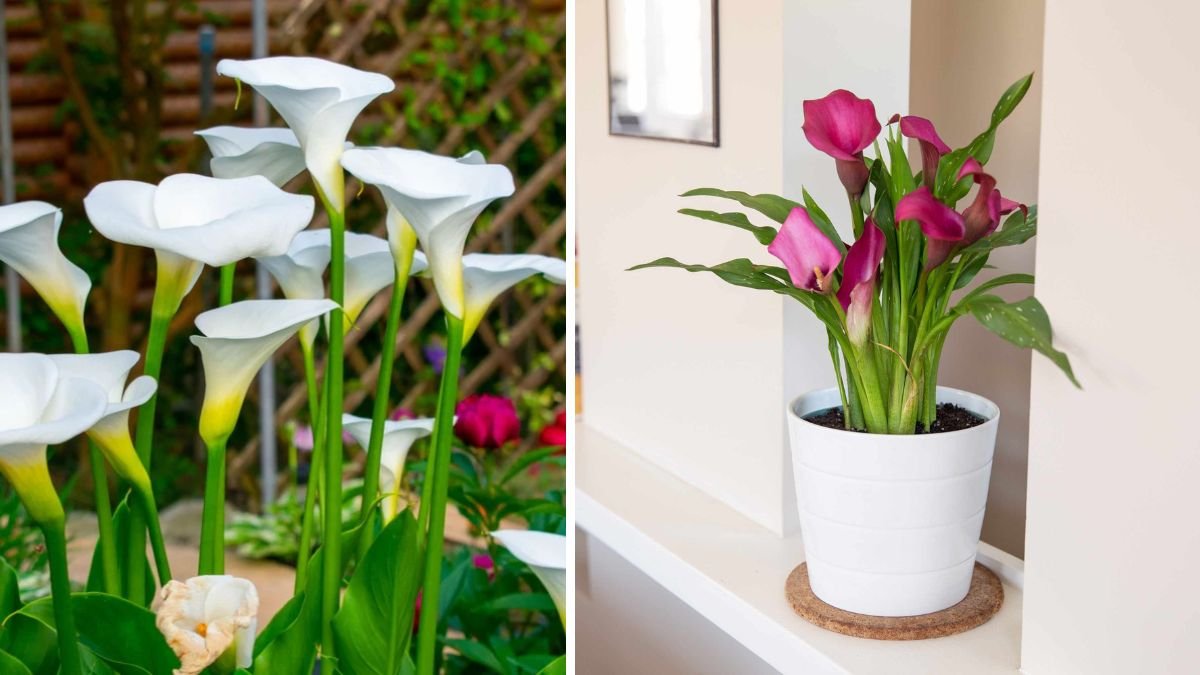
Introduction: The Elegance of Calla Lilies
Calla lilies (Zantedeschia spp.) are known for their trumpet-shaped blooms and striking, sculptural leaves. These tropical perennials are popular in gardens, patios, and cut flower arrangements. While they’re often called “bulbs,” calla lilies actually grow from rhizomes, which are thick underground stems that store energy for new growth. With proper care, these rhizomes will produce lush foliage and vibrant flowers year after year.
Whether you’re new to gardening or a seasoned green thumb, understanding the essentials of calla lily bulb planting can help you enjoy beautiful blooms with minimal effort.
Understanding Calla Lilies and Their Bulbs
Calla lilies are unique among garden plants. Their “bulbs” are technically rhizomes — storage organs that remain dormant until planted. Once in the right conditions, these rhizomes send up shoots, develop roots, and eventually produce flowers.
Choosing healthy rhizomes is essential. Look for firm, plump rhizomes without mold or soft spots. Storing them in a cool, dry place until planting will help ensure vigorous growth. (Gardenia.net)
When and Where to Plant
Timing
For outdoor planting, wait until after the last frost, when soil temperatures are consistently above 60°F (15°C). In warmer climates, you can plant earlier in spring, but avoid cold, wet soils, which can rot rhizomes. (Ideal Home)
Light Requirements
Calla lilies thrive in full sun to partial shade. Indoors, bright indirect light is ideal. Too much shade can slow growth and reduce flowering. In hotter regions, some afternoon shade protects leaves from scorching.
Soil Conditions
Well-drained soil enriched with compost or organic matter is ideal. Heavy clay soils can retain too much water, causing rot, while sandy soils may need extra compost to retain moisture.
Step-by-Step Guide to Planting Calla Lily Bulbs
- Prepare the Soil: Loosen the soil to a depth of 6–8 inches and mix in compost to improve fertility.
- Planting Depth: Place rhizomes 3–4 inches (7–10 cm) deep with the growing tip facing up.
- Spacing: Maintain 12 inches (30 cm) between rhizomes to give plants room to grow.
- Watering: Water thoroughly after planting to settle the soil and encourage root growth. Keep soil evenly moist but not waterlogged. (Gardeners Path)
Even if planted upside down, rhizomes are resilient — shoots will find their way upward.
Caring for Growing Calla Lilies
Watering
Calla lilies need consistently moist soil, especially during growth and flowering. Avoid letting the topsoil dry completely, but do not overwater, as soggy soil can rot the rhizomes. A balanced watering schedule helps maintain lush foliage and promotes robust blooms.
Fertilizing
Apply a balanced liquid fertilizer every 2–3 weeks during the growing season. Fertilizer rich in nitrogen encourages leafy growth, but overfeeding can reduce flowering. Opt for a fertilizer formulated for flowering plants for optimal results. (BHG)
Sunlight & Temperature
Maintain bright, indirect sunlight for indoor plants or partial shade for outdoor plants in hot climates. Calla lilies grow best when temperatures stay between 60–75°F (15–24°C). Cooler temperatures slow growth and flowering.
Mulching
Add a 1–2 inch layer of mulch around outdoor plants to retain moisture, regulate soil temperature, and suppress weeds. Mulching also protects rhizomes in milder climates during the dormant season.
Flowering and Maintenance
Calla lilies typically bloom 8–13 weeks after planting, depending on the variety and growing conditions. Their blooms are elegant, long-lasting, and perfect for cut arrangements.
Deadheading
Remove spent flowers promptly to encourage new blooms and prevent seed formation, which can drain the plant’s energy.
Leaf Care
Trim yellow or damaged leaves to maintain plant health. Healthy foliage supports strong flowers, and a neat plant appearance enhances your garden’s aesthetic.
Dormancy and Winter Care
In colder climates (below USDA Zones 8–10), calla lily rhizomes will not survive frost. Dig them up after the foliage dies back:
- Remove soil gently from the rhizomes.
- Allow them to dry in a cool, ventilated area for a few days.
- Store rhizomes in a cool, dry location until spring replanting.
In mild climates, leave rhizomes in the ground and cover them with a thick mulch layer to protect against light frost.
Container Planting Tips
Calla lilies can thrive in pots, which is ideal for small gardens, patios, or indoor displays. Use containers at least 12 inches wide with good drainage holes. Choose a rich, well-draining potting mix and water consistently. Container planting also makes it easier to move rhizomes indoors during cold weather.
Troubleshooting Common Problems
- Yellowing Leaves: Usually caused by overwatering or poor drainage. Reduce watering and check soil drainage.
- Fungal Diseases: Powdery mildew or leaf spots can occur in humid conditions. Remove affected leaves and apply fungicide if needed.
- Poor Flowering: Too much nitrogen fertilizer can favor leaf growth over flowers. Switch to a bloom-promoting fertilizer.
Regular monitoring and care prevent most issues, keeping your calla lilies vibrant and healthy.
Expert Tips for Optimal Bloom
- Plant healthy, firm rhizomes in warm, well-drained soil.
- Keep soil evenly moist without waterlogging.
- Provide bright, indirect light or partial sun for outdoor plants.
- Fertilize with a balanced liquid fertilizer during active growth.
- Deadhead flowers and remove yellow leaves to maintain energy for new blooms.
With attention to these details, calla lilies will reward you with stunning, elegant flowers.
Recommended Authoritative Sources
For further guidance on growing calla lilies from bulbs, consult:
- Gardenia – Calla Lily Essentials & Care Guide
- Gardener’s Path – Growing Calla Lilies
- Ideal Home – When to Plant Calla Lily Bulbs
- BloomingBulb.com – Calla Lily Planting & Care Instructions
These sources provide step-by-step guidance, climate tips, and troubleshooting advice for thriving calla lilies.
Conclusion
Mastering calla lily bulb planting is a rewarding experience for any gardener. By understanding their growth requirements — from soil and sunlight to watering and fertilizing — you can cultivate these elegant flowers successfully. With proper care, your calla lilies will not only bloom beautifully but will also provide a long-lasting garden feature or a stunning addition to your indoor space.
Whether you grow them in containers or in the garden, these versatile perennials add elegance and color from planting through flowering, offering satisfaction to gardeners of all skill levels.