Introduction
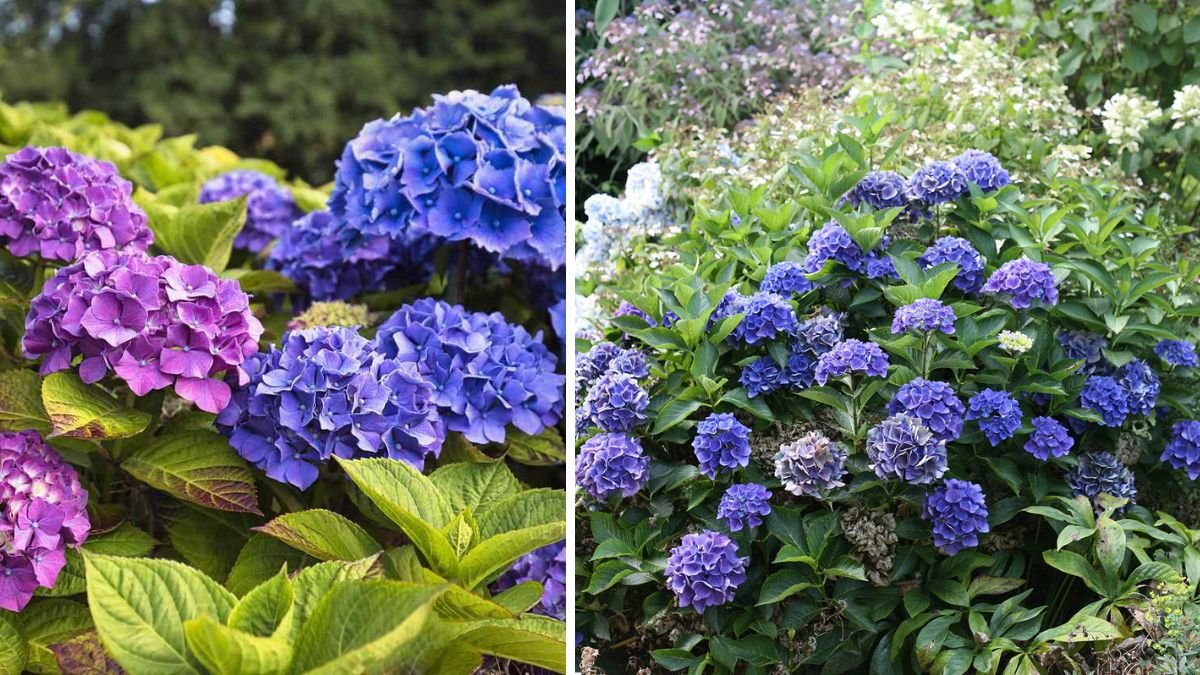
Big leaf hydrangeas (Hydrangea macrophylla) are cherished garden shrubs, celebrated for their large, vibrant blooms that bring color and elegance to landscapes. However, many gardeners struggle to get consistent, abundant flowers. One of the most common issues? Improper pruning.
Pruning at the wrong time or cutting too aggressively can remove the buds that will produce next year’s flowers, leading to a disappointing display. Conversely, pruning correctly can maximize bloom size and quantity, keep the plant healthy, and maintain a beautiful shape.
This guide explores the latest expert recommendations for pruning big leaf hydrangeas, including timing, techniques, common mistakes, and aftercare. Following these tips ensures your shrubs flourish season after season.
Understanding Big Leaf Hydrangeas
Big leaf hydrangeas are classified as “old wood bloomers”, meaning they form flower buds on the growth produced the previous year. Buds typically develop in late summer or fall and remain dormant over winter, ready to bloom the following season.
Some modern varieties, such as reblooming or remontant cultivars, can produce flowers on both old and new wood, offering more flexibility when pruning. However, most traditional varieties require careful timing to avoid accidentally cutting off buds that are essential for next season’s blooms.
Proper pruning not only encourages maximum flowering but also improves airflow, reduces disease risk, and maintains an attractive shrub shape.
When to Prune Big Leaf Hydrangeas
After Flowering Fades – The Optimal Time
For traditional big leaf hydrangeas, the best time to prune is immediately after flowering, typically from late July to early August. Pruning at this stage allows the plant to:
- Set new buds for next year
- Grow new stems before dormancy
- Maintain healthy structure
Cutting too late, particularly after mid-August, can remove developing buds, reducing blooms next season. (biologyinsights.com)
Spring Clean-Up – Minor Pruning
In early spring, gardeners can remove dead, damaged, or diseased wood as soon as new growth appears. This type of light pruning is safe and will not compromise blooms.
What to Avoid
Avoid heavy pruning in fall, winter, or early spring for old wood bloomers, as it removes buds and diminishes flowering potential. Reblooming varieties are more flexible, but even then, careful timing produces the best results.
Pruning Techniques for Maximum Flowers
1. Deadhead Spent Flowers
After blooms fade, remove spent flower heads by cutting just above the first set of healthy leaves or an outward-facing bud. This:
- Redirects energy toward new growth
- Stimulates new bud formation
- Keeps the plant tidy
2. Selective Thinning
Remove overcrowded or weak stems to increase airflow and light penetration. This strengthens the shrub and promotes vigorous flowering. Cut stems back to the base or to a healthy lateral branch.
3. Light Shaping
Maintain the shrub’s shape by trimming wayward stems. Avoid removing more than one-third of the plant’s growth at once, as over-pruning can reduce blooms and stress the plant.
4. Remove Dead or Damaged Wood Anytime
Any stems that are clearly dead, diseased, or damaged can be removed year-round without affecting next year’s flowers. This supports plant health and reduces disease risk.
Aftercare for Pruned Hydrangeas
Pruning alone is not enough—proper care afterward ensures robust growth and abundant flowers.
- Mulch around the base to retain moisture and protect roots
- Water deeply during dry periods to support new stem growth
- Fertilize lightly with a balanced or bloom-focused fertilizer; avoid excessive nitrogen, which encourages leafy growth at the expense of flowers
Following these steps helps set strong buds and supports maximum flowering next season.
Common Mistakes to Avoid
Pruning at the Wrong Time
Pruning in fall, winter, or early spring can remove buds for next year, drastically reducing blooms. Always prune after flowering for old wood bloomers.
Over-Pruning
Removing too much growth at once can stress the shrub, slow recovery, and reduce flowering potential. Focus on selective thinning and shaping instead.
Ignoring Variety Differences
Big leaf hydrangeas are old wood bloomers, but reblooming cultivars bloom on both old and new wood. Pruning strategies differ depending on the variety, so know your plant before cutting.
Expert Tips for Maximum Flowers
- Identify your variety: Reblooming cultivars can tolerate slightly later or more aggressive pruning, while old wood bloomers require careful timing.
- Leave structural stems: Older stems provide the backbone of the shrub and support strong flowering. Removing all old stems may reduce blooms temporarily.
- Tip pruning: Lightly trimming stem tips in spring can encourage fuller growth and more stems, leading to more flowers.
- Avoid heavy late pruning: Excessive cutting in late summer or fall may reduce flower count the following year.
Authoritative Sources
For further reading and expert guidance on pruning big leaf hydrangeas:
- Biology Insights – Big Leaf Hydrangea Pruning (link)
- Garden Design – Pruning Hydrangeas (link)
- Gardeners Supply – Step-by-Step Pruning Tips (link)
- Gardenia.net – Techniques for Maximum Blooms (link)
Conclusion
Pruning big leaf hydrangeas (Hydrangea macrophylla) correctly is key to maximizing blooms, maintaining health, and keeping a beautiful shrub shape. The main rules are:
- Prune right after flowering ends in summer
- Remove spent blooms and weak stems
- Avoid heavy pruning or cuts during dormancy
- Provide proper aftercare, including watering, mulching, and light fertilization
By following these techniques, you’ll enjoy vibrant, abundant hydrangea flowers year after year, enhancing your garden with minimal stress on the plant. Understanding your hydrangea’s growth and bloom patterns is the first step toward a bountiful floral display.