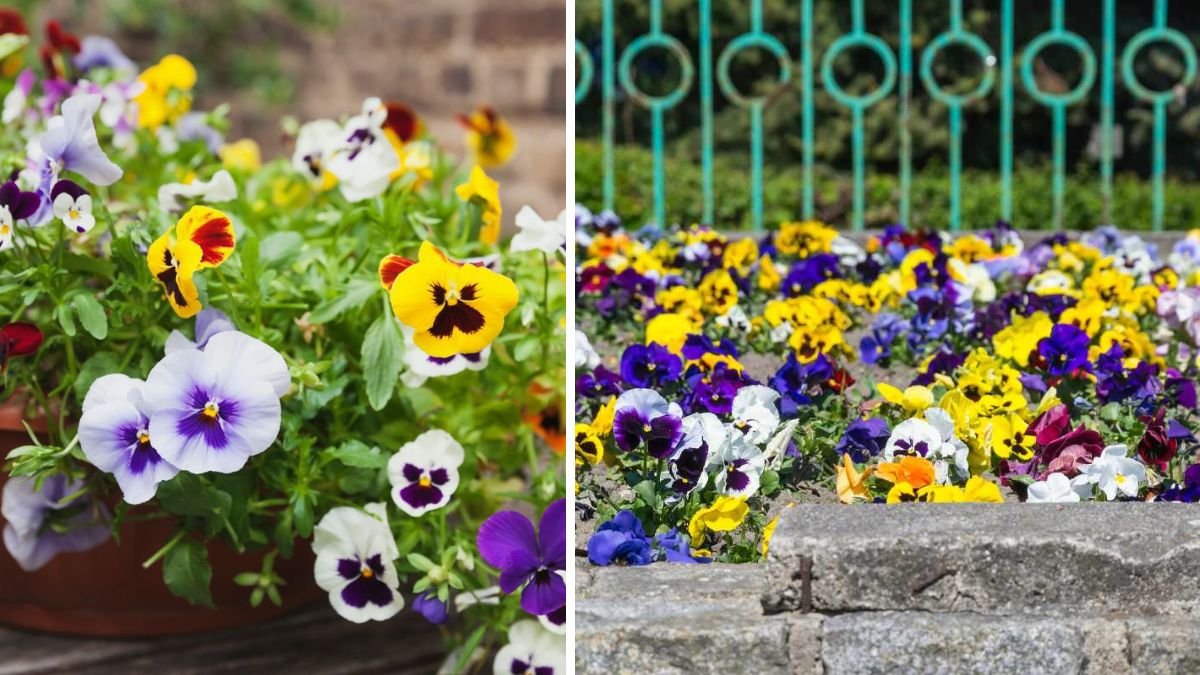
Pansies (Viola × wittrockiana) are among the most popular cool-season flowers, prized for their bright, cheerful blooms and colorful “faces.” While they’re versatile and visually striking, pansies can be surprisingly sensitive to care missteps. Even small mistakes in soil, water, sunlight, or maintenance can compromise their health and shorten their blooming period. Understanding these errors is key to growing healthy, long-lasting plants. This guide outlines the 10 most common gardening mistakes to avoid while growing pansies and offers actionable solutions to ensure a thriving garden.
1. Planting in Poor Soil or Without Amendment
Healthy pansies start with healthy soil. Poor, compacted, or nutrient-deficient soil prevents proper root development, inhibits water absorption, and reduces nutrient uptake, resulting in weak plants with sparse blooms.
Fix: Enrich garden soil with organic compost or well-rotted manure before planting. For container planting, use a high-quality, well-draining potting mix. Fertilizers high in phosphorus can promote strong root development and more abundant flowers. (almanac.com)
2. Ignoring Proper Sunlight
Pansies require adequate sunlight to produce robust flowers. Planting them in full shade results in leggy growth, fewer blooms, and weaker stems.
Fix: Choose a site with full sun for cooler climates or partial sun for warmer regions. Morning sun with afternoon shade is ideal for hot areas, protecting plants from excessive heat stress. Proper light exposure encourages vigorous growth and a continuous display of flowers. (espoma.com)
3. Overwatering or Underwatering
Watering is one of the most common mistakes. Too much water can lead to root rot and fungal infections, while insufficient water stresses plants, causing wilting and faded blooms.
Fix: Keep soil consistently moist but never waterlogged. Water early in the morning to allow leaves to dry before nightfall, reducing the risk of fungal diseases. In containers, ensure proper drainage to prevent water accumulation. (gardendesign.com)
4. Planting Too Crowded
Overcrowding pansies reduces air circulation and increases competition for nutrients and water, leading to weaker plants and higher disease susceptibility.
Fix: Space plants about 6–12 inches apart, depending on the variety. Proper spacing promotes airflow, reduces humidity around foliage, and helps prevent fungal diseases such as powdery mildew or gray mold. (gardenloversclub.com)
5. Neglecting Deadheading & Maintenance
Failing to remove spent flowers signals the plant to focus on seed production rather than continued blooming, shortening the flowering period.
Fix: Regularly deadhead faded flowers to stimulate new growth and extend bloom time. Trim leggy stems to encourage compact, bushy growth. This simple maintenance keeps pansies looking fresh and promotes more vibrant displays. (gardenloversclub.com)
6. Using Too Much Fertilizer
While pansies benefit from nutrients, over-fertilizing—particularly with high nitrogen—can promote excessive leafy growth at the expense of flowers, and may even burn roots.
Fix: Use a balanced fertilizer at planting time, and feed lightly or use slow-release nutrients as needed. Avoid high-nitrogen fertilizers once blooms have started. Maintaining the right nutrient balance ensures vibrant flowers and healthy foliage. (espoma.com)
7. Planting at the Wrong Time
Pansies thrive in cool weather. Planting during heat waves or very hot periods can stress the plants, stunt growth, and result in fewer blooms.
Fix: In most regions, plant pansies in early spring or fall, avoiding extreme heat. If planting in warmer areas, provide partial shade during the hottest hours. Correct timing allows plants to establish strong roots and bloom profusely. (aol.com)
8. Failing to Protect from Pests and Diseases
Aphids, slugs, snails, and fungal diseases like gray mold can severely affect pansy health, reducing bloom quality and vigor.
Fix: Monitor plants regularly for pests and remove them manually or use safe treatments like insecticidal soap. Improve air circulation and avoid overhead watering to reduce fungal problems. Early intervention prevents small issues from becoming major infestations. (trailingpetunia.com)
9. Poor Drainage and Waterlogging
Standing water or compacted clay soil deprives roots of oxygen, resulting in root rot and stunted growth.
Fix: Amend clay soil with organic matter or sand to improve drainage, or plant pansies in raised beds or containers. Ensure that pots have adequate drainage holes to prevent water accumulation. Good drainage keeps roots healthy and supports long-lasting blooms. (plants.sorumatik.co)
10. Incorrect Seed Starting Practices
Starting pansies from seed can be rewarding, but common errors include sowing seeds too deep, inconsistent watering, or providing insufficient light for germination.
Fix: Sow seeds lightly on the surface of the soil, maintain consistent moisture without waterlogging, and provide good light once seedlings emerge. Using seed trays with proper airflow helps prevent damping-off and encourages healthy seedlings. (beejwala.com)
Pro Tips for Pansy Success
- Water at the base, not on foliage: Reduces fungal risk and keeps roots healthy.
- Use mulch lightly: Helps retain moisture and regulates soil temperature.
- Monitor soil pH: Slightly acidic to neutral soils support optimal nutrient uptake.
Background Context
Pansies are considered cool-season favorites because of their ability to thrive in lower temperatures while producing striking blooms. They are sensitive to overwatering, heat, and overcrowding, making proper care critical. Common mistakes often stem from neglecting soil preparation, timing, and basic maintenance practices like deadheading and fertilizing correctly. Recognizing and correcting these errors ensures pansies flourish and maintain their decorative charm throughout the growing season. (almanac.com)
Authoritative Sources
For more expert guidance, consider referencing these reputable resources:
- The Old Farmer’s Almanac – Pansy Planting & Care Guide: Seasonal advice and planting tips. (almanac.com)
- Espoma Organic Gardening Tips: Soil, watering, and maintenance guidance. (espoma.com)
- Garden Lovers Club: Container planting and spacing advice. (gardenloversclub.com)
- Trailing Petunia – Pansy Diseases & Prevention: Pest and disease management strategies. (trailingpetunia.com)
Conclusion
Pansies can provide months of vibrant color when cared for properly. By avoiding these 10 common gardening mistakes, gardeners can ensure healthier plants, longer-lasting blooms, and more resilient growth. Proper soil preparation, correct watering, adequate spacing, pest management, and timely maintenance are the foundation for success. Incorporate these expert-backed tips alongside your [FOCUS KEYWORD] strategy to maximize the beauty and lifespan of your pansy garden.