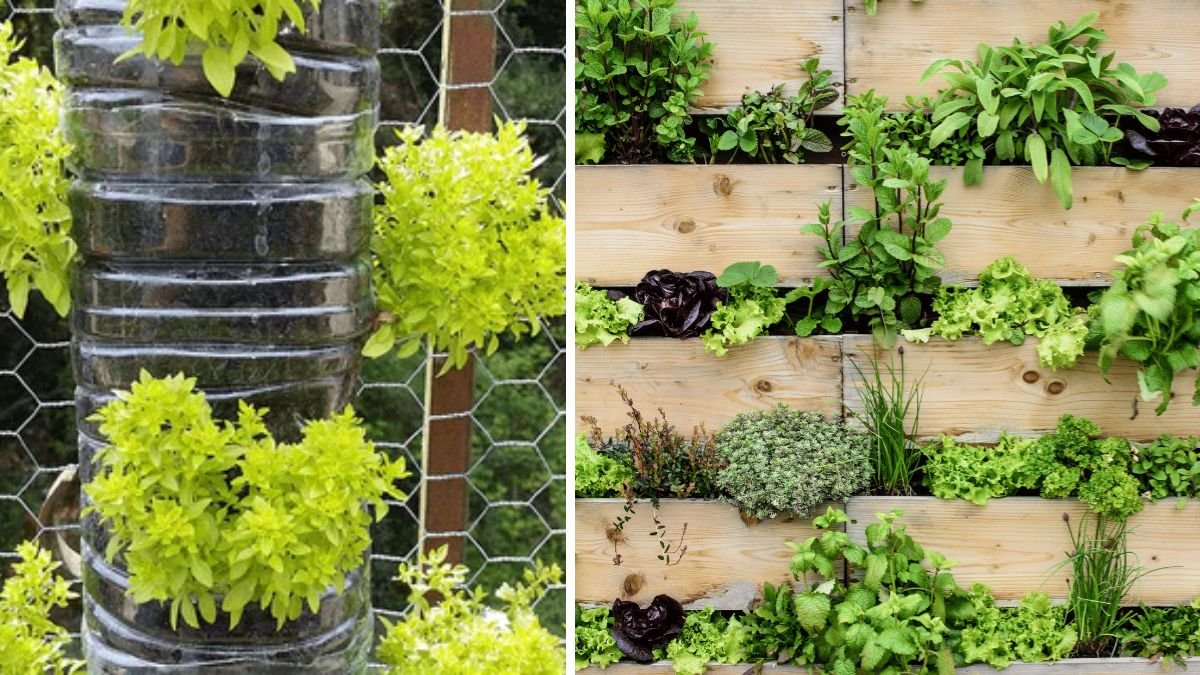
Introduction: Turning Balconies into Productive Green Spaces
Urban living in 2026 has sparked a surge of interest in vertical vegetable gardening. Apartments and condos often have limited outdoor space, but that doesn’t mean you can’t grow fresh, home-grown produce. A wonderful vertical vegetable garden outside your balcony lets you maximize space, reduce your carbon footprint, and enjoy fresh vegetables, herbs, and even small fruits, all within reach.
Vertical gardening is more than a trend — it’s a practical solution for growing food sustainably in limited areas. By using walls, railings, shelves, trellises, or hanging systems, urban gardeners are transforming balconies into lush, green, productive mini farms. (coohom.com)
Why Vertical Balcony Gardens Are Trending
Balconies are often underutilized, but vertical gardening changes that. Urban families in cities like Bengaluru, Hyderabad, and Mumbai are increasingly adopting vertical gardens to grow food sustainably, even with very limited space. Small balcony spaces can now produce leafy greens, herbs, vine vegetables, and compact fruiting plants using vertical structures. (organic.vegroof.com)
This approach addresses several urban challenges:
- Lack of yard space
- High dependence on store-bought produce
- Need for sustainable urban living practices
- Desire to reconnect with nature
Vertical vegetable gardens are efficient, eco-friendly, and visually appealing, turning balconies into mini-farms that nourish the body and delight the eyes. (coohom.com)
Key Elements of a Successful Vertical Balcony Garden
Creating a productive vertical garden requires careful planning. Here are the essential elements:
Sunlight
Most vegetables require 6–8 hours of sunlight daily. Position your vertical setup to maximize sun exposure, preferably on a south or east-facing balcony. (velcro.com)
Support Structures
Vertical gardens need strong supports. Options include trellises, shelves, hanging baskets, wall-mounted planters, and stackable towers. Ensure the structure is stable and can handle the weight of soil and plants. (coohom.com)
Plant Selection
Choose vegetables suitable for container growth or vertical training. Ideal crops include leafy greens, herbs, dwarf tomatoes, cucumbers, beans, peppers, and radishes. (gardenlyhome.com)
Watering and Drainage
Vertical gardens dry out faster than ground plots. Install efficient watering systems or ensure containers have proper drainage. Overwatering can lead to root rot, so balance is key. (verticallivegarden.com)
Creative Ideas for Balcony Vertical Gardens
Here are practical ways to create a wonderful vertical vegetable garden outside your balcony:
Wall-Mounted Planters
Install pocket planters or shelves on the balcony wall to grow herbs and leafy vegetables. This design frees up floor space and ensures adequate sunlight. (urbangardentips.com)
Tiered Container Garden
Arrange pots on tiered shelves to maximize space. Place smaller, lighter plants like herbs and lettuce at the top and heavier fruiting vegetables like tomatoes or peppers below. (urbangardentips.com)
Trellis-Supported Climbers
Climbing vegetables like beans, cucumbers, and peas need vertical supports. Install trellises or wires to train vines upward and save floor space. (gardenlyhome.com)
Vertical Garden Towers
Stackable towers allow multiple plants to grow in a small footprint. These towers are ideal for balconies with limited area but good sunlight. (ecofriendlybliss.com)
Hanging Baskets and Rail Planters
Hang baskets or use railing planters for lightweight vegetables and herbs. These are visually appealing, easily accessible, and maximize vertical space. (angi.com)
Tips for Balcony Vegetable Gardening
Optimize Sunlight Exposure
Track sunlight patterns to place vegetables in the sunniest spots. Some balconies may have microclimates, so adjust plant positions accordingly. (theguardian.com)
Watering Strategies
Install drip irrigation or water consistently to prevent containers from drying out. Vertical gardens tend to lose moisture faster than ground gardens. (verticallivegarden.com)
Seasonal Crop Rotation
Swap plants based on seasons. Grow leafy greens and spinach in cooler months, and heat-tolerant vegetables like peppers and tomatoes during warmer months. (yourhydrogarden.com)
Wind Protection
High-rise balconies are exposed to wind. Use lattice panels, screens, or windbreaks to protect delicate plants. (flatgardening.com)
Organic Pest Management
Monitor for pests and use natural remedies like neem oil, garlic spray, or companion planting to keep your vegetables healthy. (verticallivegarden.com)
Best Plants for Balcony Vertical Gardens
- Leafy Greens: Lettuce, spinach, Swiss chard thrive in small containers.
- Herbs: Basil, mint, parsley, cilantro grow well in pocket planters or hanging baskets.
- Fruit Veggies: Dwarf tomatoes, peppers, and small eggplants are ideal for towers or tiered shelves.
- Climbers: Cucumbers, beans, and peas grow upward with trellis support.
- Compact Root Crops: Radishes and small carrots work in deep vertical pots. (balconygardenweb.com)
By choosing the right combination, you can ensure year-round harvests from your balcony garden.
Environmental and Health Benefits
Vertical balcony gardens:
- Reduce food miles by producing home-grown vegetables
- Encourage sustainable living and reuse of containers or vertical structures
- Improve air quality and reduce heat on balconies
- Promote healthy eating habits and provide fresh, pesticide-free produce
Authoritative Sources for Inspiration
- Coohom: 5 creative balcony vegetable garden ideas. (link)
- Urban Garden Tips: Must-try vertical vegetable gardens for small spaces. (link)
- Gardenly Home: Vertical gardening strategies and plant recommendations. (link)
- Angi: DIY vertical vegetable garden guides. (link)
These sources provide practical tips, project inspiration, and troubleshooting advice for balcony vertical gardens.
Conclusion: Your Balcony as a Vegetable Oasis
A wonderful vertical vegetable garden outside your balcony is more than decorative — it’s a functional, sustainable, and rewarding urban gardening solution. By carefully planning sunlight exposure, plant selection, and vertical structures, your balcony can become a mini-farm full of fresh vegetables and herbs.
Vertical gardening allows urban dwellers to enjoy home-grown food, reduce waste, and create a calming green space in the city. With creativity, maintenance, and the right crops, your balcony can provide fresh produce all year round — turning even the smallest space into a productive and vibrant garden. 🌱