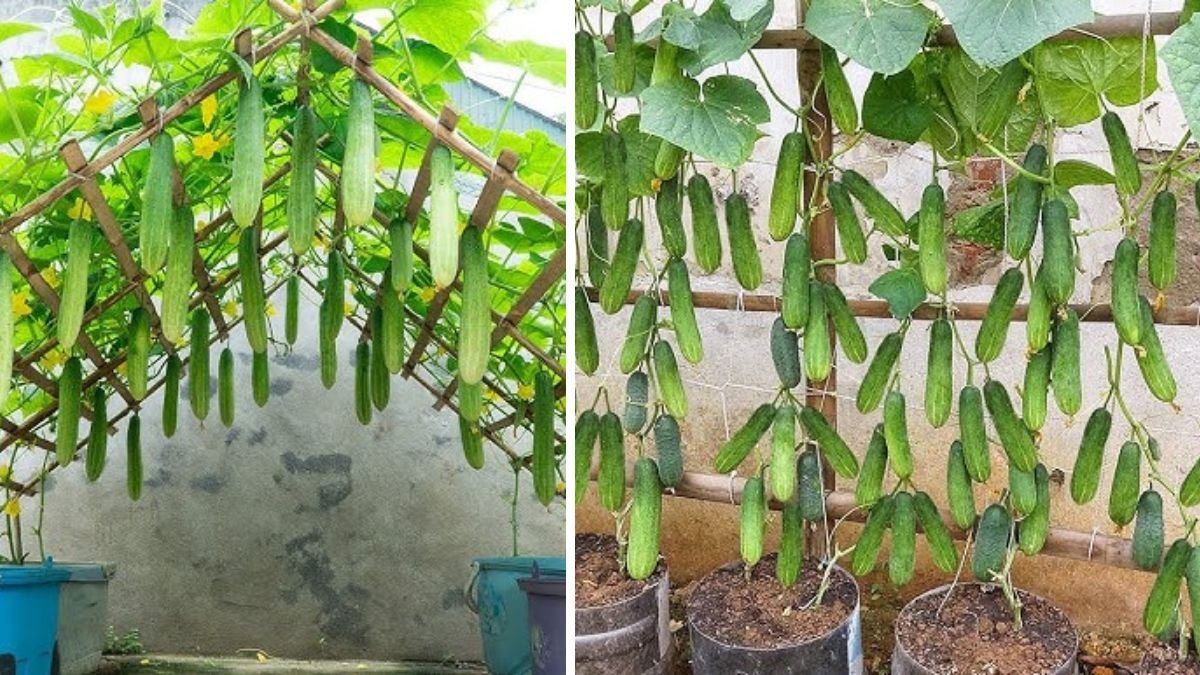
Growing cucumbers at home is one of the most rewarding gardening experiences. With the right techniques, a single plant can produce many fruits over a season, giving you a continuous supply of crisp, delicious cucumbers. Whether for salads, pickles, or fresh snacking, cucumbers are versatile, fast-growing, and highly productive.
This guide will show you an amazing idea for home cucumber gardening that maximizes yield. From choosing the right variety to fertilization, watering, and harvesting techniques, you’ll learn how to get the most out of your cucumber plants — even in small spaces.
Why Cucumbers Are Perfect for Home Gardening
Cucumbers (Cucumis sativus) are ideal for home gardeners because they grow quickly and produce a large number of fruits under optimal conditions. Unlike some vegetables that take months to yield, cucumbers can flower and fruit continuously if harvested regularly. They are also highly adaptable — growing well in containers, small garden plots, trellises, or vertical systems.
Urban gardeners, balcony growers, and anyone with limited space can benefit from growing cucumbers at home. Not only do they provide fresh produce, but they also offer a fun and educational experience for beginners. With careful planning and proper care, a few cucumber plants can supply an entire household for weeks.
Choosing the Right Cucumber Variety
The first step to producing many fruits is selecting a high-yield variety. Some varieties are specifically bred for prolific fruiting, disease resistance, and compact growth, making them perfect for home gardens.
- Bush varieties: Ideal for containers and limited space. They produce smaller vines but a steady harvest of cucumbers.
- Vining varieties: Produce longer, continuous vines and high fruit counts when trained on trellises.
- Hybrid varieties: Offer rapid growth, higher yields, and resistance to common pests and diseases.
For example, hybrid seeds like Cucumber Kheera Green F1 mature quickly and bear multiple fruits per plant, providing an excellent return for minimal space. Selecting a variety suited to your climate and available growing space is crucial for success.
Step 1: Start Seeds Indoors
Starting seeds indoors gives plants a head start, ensuring early flowering and fruiting:
- Soak cucumber seeds overnight to improve germination.
- Sow them in rich potting mix and keep them warm and moist.
- When seedlings develop a few true leaves, harden them off before transplanting outdoors or into larger containers.
By beginning seeds indoors, you can extend your growing season and give plants an advantage over pests and variable weather. Early seedlings also mature faster, producing more fruits sooner.
Step 2: Provide Plenty of Sunlight
Cucumbers need at least 6–8 hours of direct sunlight daily. Sunlight fuels photosynthesis, promoting vigorous growth, flowering, and fruiting. In small spaces or apartments, consider placing containers near sunny windows or using grow lights to supplement natural sunlight.
Plants deprived of sunlight will grow slowly, produce fewer flowers, and ultimately yield fewer cucumbers. Ensuring your plants get enough light is one of the simplest ways to increase fruit production.
Step 3: Water Consistently and Deeply
Cucumbers have high water requirements due to their succulent stems and leaves. Regular, deep watering is essential — particularly during flowering and fruiting periods.
- Keep soil evenly moist but not waterlogged.
- Mulch the soil surface to retain moisture and reduce temperature fluctuations.
- Avoid overhead watering to prevent leaf diseases; instead, water at the base.
Consistent watering ensures the plants don’t become stressed, which can reduce fruit set and lead to bitter cucumbers. Proper hydration is critical for maximizing yield and fruit quality.
Step 4: Fertilize for Maximum Fruit Production
Cucumbers are heavy feeders. Providing the right nutrients encourages strong vine growth and abundant fruits.
- Begin fertilization once flowers appear.
- Use a balanced fertilizer with high potassium content to boost flowering and fruiting.
- Organic compost, worm castings, and diluted liquid fertilizers are excellent options for sustainable gardening.
- Feed plants every 2–3 weeks to maintain steady growth.
Regular fertilization ensures your plants have the nutrients they need to produce many fruits throughout the season. Neglecting feeding can limit flower formation and reduce overall yield.
Step 5: Provide Support — Trellises & Vertical Growth
Training cucumber vines to grow vertically on trellises or supports is highly effective:
- Supports save ground space, making cucumbers suitable for container gardens or balconies.
- Upright growth improves air circulation, reducing disease risk.
- Fruit is easier to harvest and cleaner, as it doesn’t touch the soil.
Vertical growth also stimulates the plant to produce more flowers and fruits because energy is focused on vine extension and fruiting rather than sprawling along the ground.
Step 6: Pollination Techniques
If your cucumbers are flowering but not setting fruit, you may need to assist pollination. Transfer pollen from male to female flowers using a small brush. This is particularly important for indoor plants or areas with few pollinators. Proper pollination dramatically increases fruit set and overall yield.
Step 7: Harvest Frequently
Frequent harvesting encourages continuous fruit production:
- Pick cucumbers as soon as they reach maturity.
- Avoid leaving overripe fruits on the vine, as this signals the plant to slow down production.
- Harvesting every few days ensures new flowers develop and more fruits form.
Regular harvests also help keep plants healthy, prevent disease, and maintain a tidy garden.
Tips for Maximizing Yield
- Spacing: Give plants enough room to grow without crowding.
- Airflow: Good ventilation prevents fungal diseases and encourages flowering.
- Pruning: Remove old, diseased, or excessive leaves to direct energy toward fruit production.
- Season: Plant cucumbers after frost danger has passed for optimal growth.
- Consistency: Maintain watering, light, and nutrient schedules throughout the season.
By combining these strategies, gardeners can significantly increase fruit yield per plant, making home-grown cucumbers highly productive and rewarding.
Background: Cucumbers in Urban Agriculture
Cucumbers are popular in urban agriculture because they are fast-growing, space-efficient, and highly productive. Many urban gardeners use container gardening, vertical trellises, and balcony gardens to grow cucumbers in small areas. This approach not only provides fresh, healthy food but also reduces grocery costs and encourages self-sufficiency.
Cucumbers fit well into vertical and container gardening systems, allowing gardeners to optimize limited space while achieving high yields. This makes them a top choice for home vegetable gardening and for educational projects that teach children about plant growth and sustainable food production.
Suggested Authoritative Sources
Enhance your article by linking to these reputable sources:
- The Spruce – Cucumber Plant Growth Stages (thespruce.com)
- Homes & Gardens – Fertilizing Cucumbers (homesandgardens.com)
- Homes & Gardens – Indoor Cucumber Growing Tips (homesandgardens.com)
- Iowa State University Extension – Growing Cucumbers at Home (yardandgarden.extension.iastate.edu)
- Ugaoo Blog – Best Way to Grow Cucumbers (ugaoo.com)
These sources provide detailed insights, research-backed tips, and practical advice for high-yield cucumber cultivation.
Conclusion
Growing cucumbers at home using this amazing idea is simple, rewarding, and highly productive. By choosing the right variety, providing ample sunlight, consistent watering, proper fertilization, and support structures, your plants can produce many fruits throughout the season.
Even gardeners with limited space — balconies, patios, or small plots — can enjoy a continuous harvest of fresh cucumbers. Regular harvesting, attention to pollination, and good care practices ensure your plants remain healthy and fruitful.
Whether you’re a beginner or an experienced gardener, this high-yield cucumber guide helps you maximize production with minimal effort. Start planting today and enjoy bountiful, home-grown cucumbers right from your garden!