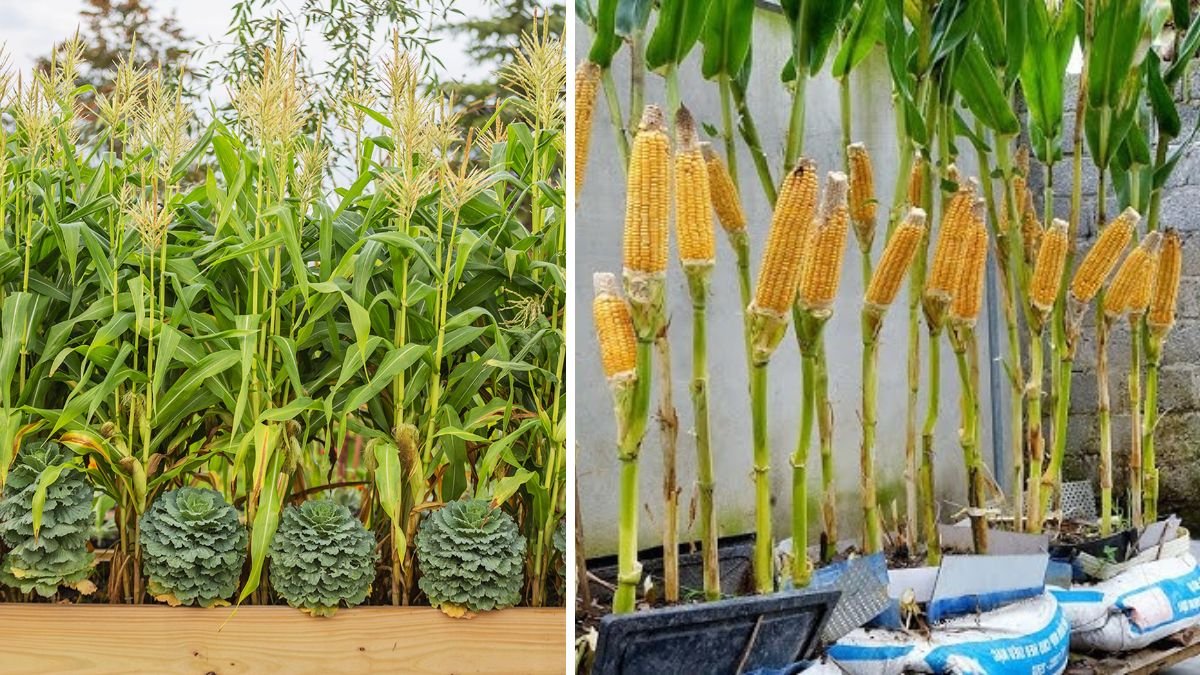
Introduction: Fresh Corn from Your Terrace
Corn is one of the most rewarding crops to grow at home. Sweet, juicy kernels make for delicious meals, and harvesting your own corn is satisfying for gardeners of all experience levels. Traditionally, corn requires a garden or a field, but with modern container gardening techniques, it is possible to cultivate corn on terraces, balconies, or patios.
Growing corn at home offers multiple benefits: fresh flavor, chemical-free produce, and the joy of gardening in small spaces. Terrace gardening, in particular, maximizes unused areas, allowing urban dwellers to enjoy homegrown food without a backyard. Even beginners can succeed with the right setup, soil, and care. (GrowOrganic)
Why Grow Corn in Containers
Corn is often thought of as a large-field crop, but dwarf and compact varieties make container growth feasible. Benefits of terrace or container corn include:
- Space-efficient: Ideal for apartments, terraces, or small balconies.
- Control over conditions: You can monitor soil, water, and sunlight easily.
- Portability: Move containers to optimize sunlight exposure or protect from harsh weather.
- Urban sustainability: Repurposes unused terrace space and provides homegrown produce.
Growing corn in containers also reduces exposure to certain pests and soil-borne diseases while keeping plants manageable in height and spread. (GardeningMentor)
Materials You’ll Need
Before planting corn on your terrace, gather the following:
- Large containers or grow bags (12–20 inches deep, wide enough for root expansion)
- High-quality potting soil or garden soil blended with compost
- Corn seeds suitable for containers (dwarf or compact varieties)
- Slow-release organic fertilizer or compost
- Watering can or gentle hose attachment
- Optional: bamboo stakes or supports for taller varieties
This setup ensures your corn has enough room, nutrients, and moisture for healthy growth. (FarmerFlints)
Step 1: Choose the Right Corn Variety
Not all corn varieties are suitable for container or terrace growth. Look for:
- Dwarf or compact varieties like “Golden Midget” or “Trinity”
- Sweet corn cultivars bred for smaller spaces
These varieties stay manageable in height, produce well in limited soil, and reduce issues such as toppling in windy conditions. Choosing the right variety is the first step toward a successful terrace corn harvest. (GardeningMentor)
Step 2: Prepare Containers and Soil
Container size and soil preparation are crucial for corn growth.
- Container Depth: Minimum 12–15 inches to accommodate the root system.
- Soil Mix: Nutrient-rich mix with potting soil, compost, and perlite or vermiculite for drainage.
- Fertilizer: Mix in slow-release fertilizer to provide steady nutrition.
Corn is a heavy feeder and requires a consistent supply of nutrients. Proper soil preparation ensures strong stalks and abundant ears. (QueensParkClinic)
Step 3: Sow Corn Seeds
Plant seeds carefully to maximize germination and growth:
- Depth: 1–1.5 inches (2.5–4 cm) deep
- Spacing: 6–8 inches (15–20 cm) apart within the container
Corn is wind-pollinated, so growing at least three plants per container or grouping multiple containers close together increases pollination success. This is particularly important in terrace setups where natural wind movement may be limited. (GrowOrganic)
Step 4: Provide Sunlight
Corn thrives in full sun. Aim for 6–8 hours of direct sunlight daily.
- Position containers on terraces or balconies that receive maximum sunlight
- Rotate containers occasionally to ensure all plants get uniform light
- Use supplemental LED grow lights if sunlight is limited
Proper light exposure ensures robust stalks, green leaves, and healthy ear development. (GrowOrganic)
Step 5: Watering and Moisture Control
Corn prefers evenly moist soil but does not tolerate standing water:
- Water deeply when the top 1–2 inches of soil feel dry
- In hot climates, daily watering may be necessary
- Apply mulch (straw, shredded leaves) to retain soil moisture and regulate temperature
Consistent watering is particularly important during tasseling and ear development to ensure juicy, full kernels. (QueensParkClinic)
Step 6: Fertilizing Throughout Growth
Corn is a nutrient-hungry crop:
- Apply balanced slow-release fertilizer at planting
- Provide nitrogen-rich feed during vegetative growth
- Side-dress plants when 8–12 inches tall to encourage stalk and ear development
Healthy nutrition leads to tall, strong stalks and well-filled ears. Don’t skip fertilization, especially in container setups where soil nutrients deplete faster. (FarmerFlints)
Step 7: Pollination Tips
Corn relies on wind for pollination, moving pollen from tassels to silks. On terraces, wind may be limited, so:
- Shake plants gently to transfer pollen
- Group containers closely to increase natural pollination
- Consider hand-pollination by brushing tassels over silks
Proper pollination ensures well-formed kernels and a bountiful harvest. (GrowOrganic)
Common Challenges
Pests and Diseases
Corn may attract earworms or fungal infections. Regularly inspect plants and use organic remedies if necessary. (GardeningMentor)
Wind and Stability
Tall stalks may topple in strong winds. Use stakes, bamboo canes, or cage supports to secure them. (GrowOrganic)
Space and Pollination
Too few plants can lead to poor pollination. Group containers closely and hand-assist pollen if needed. (GrowOrganic)
Terrace Gardening Benefits
Growing corn on a terrace offers several advantages:
- Maximizes limited space for urban dwellers
- Portable setup: Move containers for sunlight optimization
- Reduced soil pests: Less exposure to field pests and diseases
- Educational and rewarding: Observe growth, pollination, and harvest firsthand
With careful planning, even beginners can enjoy terrace-grown corn with minimal effort. (BackToEdenGardenCare)
Recommended Authoritative Sources
- GrowOrganic – Growing Corn in Small Spaces & Terrace Tips: Best practices for containers and pollination strategies (GrowOrganic)
- Gardening Mentor – Container Corn Tips: Step-by-step guide for beginners (GardeningMentor)
- BackToEdenGardenCare – Container Sweet Corn: Terrace-friendly growing tips (BackToEdenGardenCare)
- FarmerFlints – Fertilization and Care: Optimizing nutrition in containers (FarmerFlints)
Conclusion
Growing corn on your terrace is an achievable and rewarding project for beginners. By selecting dwarf or container-friendly varieties, preparing nutrient-rich soil, providing consistent sunlight and water, and ensuring proper pollination, even small urban spaces can yield sweet, fresh corn.
With attentive care and patience, terrace-grown corn can be harvested multiple times, offering both nutritional benefits and the joy of urban gardening. By turning a small balcony or terrace into a productive growing area, you can enjoy homegrown corn without needing a full backyard garden. 🌽🌞