Introduction
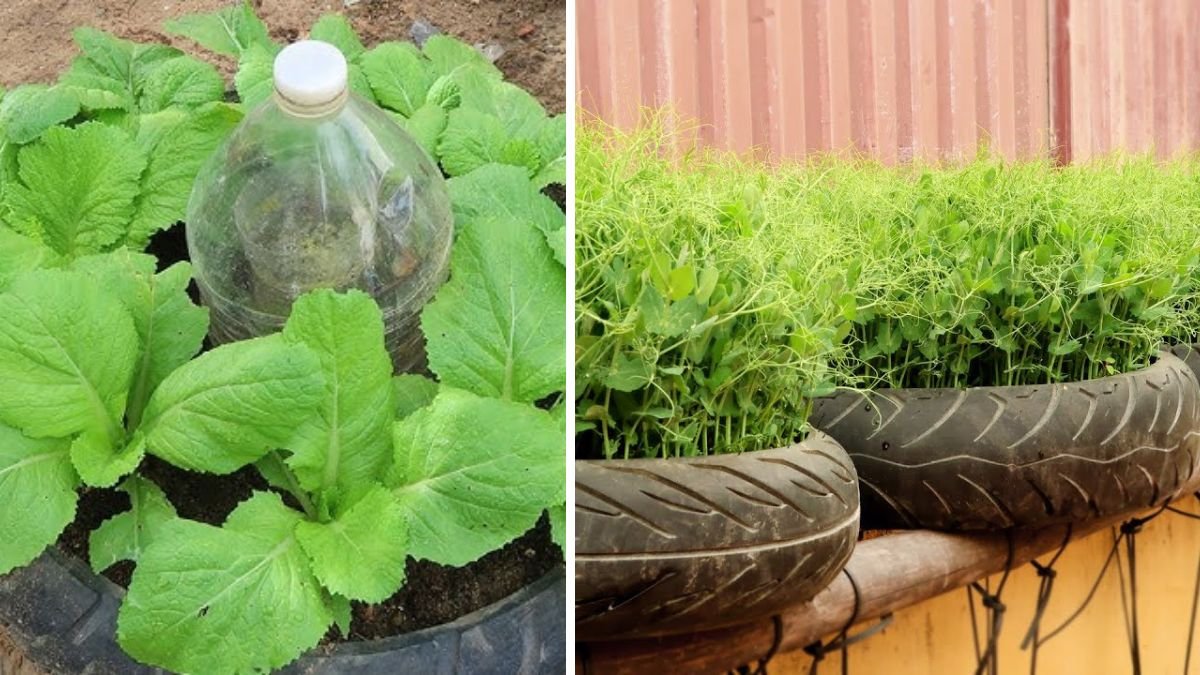
Old tires often pile up in garages, junkyards, or landfills, posing environmental hazards. However, these discarded items can be transformed into productive vegetable gardens at home, offering an eco-friendly, cost-effective solution for urban and suburban gardeners alike. Tire gardening allows you to grow fresh vegetables, herbs, and leafy greens even in small spaces such as balconies, patios, or windowsills.
This article explores practical techniques for turning old tires into vegetable planters, highlights creative tire garden ideas, addresses safety concerns, and points to authoritative sources for further guidance.
Why Use Old Tires for Home Gardening
Repurposing old tires offers several advantages:
1. Cost-Effective and Accessible
Tires are often available for free or at low cost from tire shops, junkyards, or recycling centers, making them an ideal solution for gardeners on a budget. (reddit.com)
2. Durable and Weather-Resistant
Tires can withstand sun, rain, and wind, making them long-lasting containers suitable for outdoor vegetable gardening. (moneycontrol.com)
3. Space-Saving Designs
Tires can be stacked, hung, or mounted vertically, allowing gardeners to maximize limited space. This makes them perfect for urban settings. (bloomyheaven.com)
4. Creative and Fun
From stacked planters to vertical walls, tires offer endless possibilities for decorative, functional garden designs. (diyncrafts.com)
Step-by-Step Guide to Growing Vegetables in Tires
1. Choose and Prepare Tires
Select tires free from grease, oil, or other harmful residues. Wash them thoroughly with soap and water and let them dry completely. Drill drainage holes in the bottom to prevent waterlogging, which can damage roots. (moneycontrol.com)
Tip: Small tires are ideal for herbs and leafy greens, while large truck or car tires work well for deeper-rooted vegetables like potatoes or tomatoes.
2. Prepare the Soil
Mix garden soil with compost and cocopeat (or coir) to create a nutrient-rich, well-draining medium. Optionally, line the tire with biodegradable fabric or landscape cloth to retain soil while allowing water to escape. Fill the tire slightly below the rim to provide room for plants to grow. (mungufarm.com)
3. Plant Seeds or Seedlings
Sow seeds for vegetables such as lettuce, spinach, amaranthus, fenugreek, herbs, or potatoes depending on the tire size and depth. Water gently and consistently until seeds germinate. Leafy vegetables often sprout in just a few days. (instructables.com)
4. Watering and Care
Keep the soil consistently moist, but avoid waterlogging. Ensure excess water drains freely through the holes you made. Fertilize periodically with organic compost to maintain soil fertility. Regularly inspect plants for pests and prune as necessary to encourage healthy growth. (moneycontrol.com)
Creative Tire Garden Ideas
Tires are versatile and can be adapted to different garden setups:
1. Stacked Planters
Stack tires on top of each other, filling each layer with soil, to create vertical beds. This design allows for better drainage and maximizes space. (diyncrafts.com)
2. Hanging Tire Gardens
With ropes or chains, tires can be suspended from balconies, pergolas, or tree branches. This creates vertical growing spaces for herbs, leafy greens, and small vegetables. (housedigest.com)
3. Wall-Mounted Vertical Gardens
Mount tires on walls or fences to form a living wall of vegetables and herbs, a perfect solution for apartments and limited-space gardens. (bloomyheaven.com)
Vegetables Best Suited for Tire Gardens
Some crops adapt exceptionally well to tire planters:
- Leafy Greens: Spinach, lettuce, fenugreek, and amaranthus thrive in shallow soil. (instructables.com)
- Herbs: Mint, coriander, parsley, and basil flourish in small tires. (zameen.com)
- Root Crops: Potatoes grow well in stacked tires, adding layers of soil as plants develop. (mungufarm.com)
- Small Vegetables: Cherry tomatoes, peppers, and dwarf varieties can thrive in larger tires. (diyncrafts.com)
Safety Considerations
While using tires is convenient and sustainable, there are important safety considerations when growing edible crops:
- Chemical Leaching: Tires may release harmful chemicals over time. To reduce risk, line the tire interiors with food-safe landscape fabric or biodegradable liners. (reddit.com)
- Alternative Uses: If concerned, use tires for ornamental plants, flowers, or decorative gardening elements rather than edible crops. (reddit.com)
Environmental Benefits
1. Reduces Waste
Upcycling tires keeps them out of landfills, helping reduce environmental pollution. (greenerideal.com)
2. Encourages Sustainable Gardening
Using discarded materials for gardening promotes sustainability and resourcefulness, aligning with urban gardening trends and eco-conscious lifestyles. (moneycontrol.com)
Authoritative Sources for Tire Gardening
- ECHOcommunity – Tire and Sack Gardens: Provides practical, small-space gardening techniques. (echocommunity.org)
- Instructables – DIY Tire Gardens: Step-by-step guide to turning tires into vegetable planters. (instructables.com)
- Moneycontrol – Tire Gardening Tips: Advice for cleaning, preparing, and planting in tires safely. (moneycontrol.com)
- Trees.com – Tire Planter Ideas: Creative inspiration for repurposing tires into planters. (trees.com)
Conclusion
Old tires can be transformed into creative, sustainable vegetable gardens that provide fresh, nutritious produce while reducing waste. By selecting clean tires, preparing soil carefully, and planting suitable vegetables, you can create an eco-friendly garden even in limited spaces like balconies, terraces, or patios.
With proper maintenance and safety precautions, tire gardening is both practical and visually appealing. From stacked planters to vertical or hanging systems, old tires offer an innovative way to embrace sustainable urban gardening. Start repurposing tires today to grow vegetables at home and contribute to a greener, more self-sufficient lifestyle.