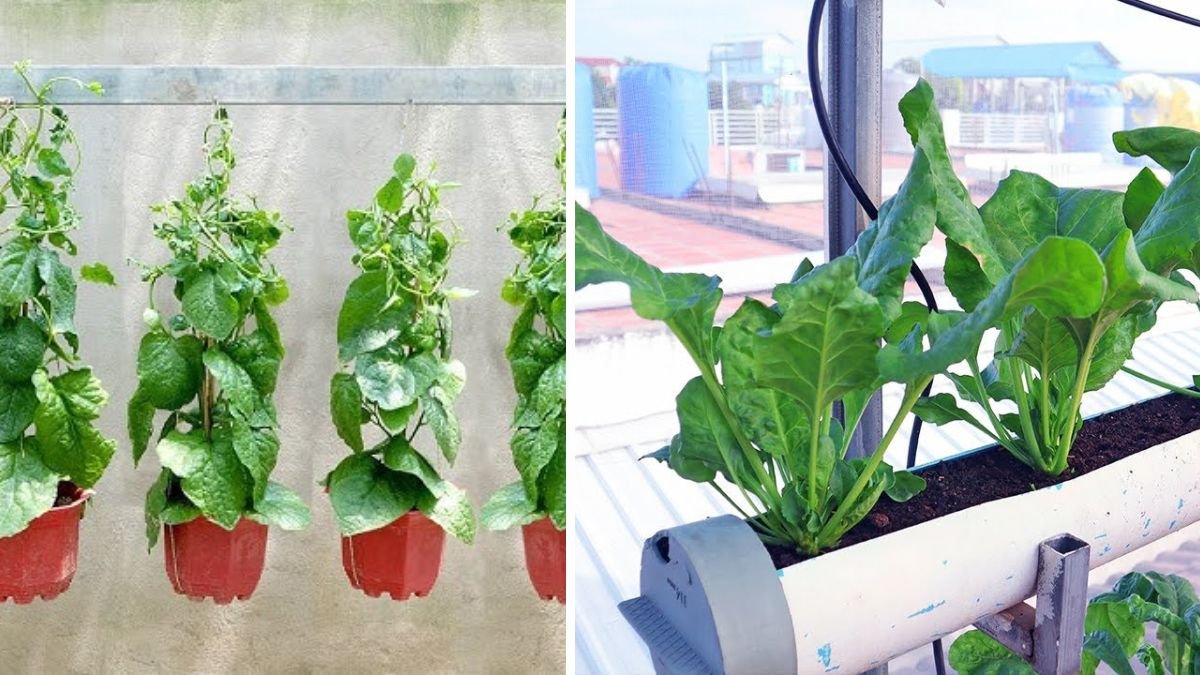
Spinach is one of the most nutritious and versatile leafy greens you can grow at home. Packed with iron, fiber, and vitamins, it’s a staple in salads, smoothies, soups, and traditional dishes like palak paneer. Many people assume that cultivating spinach requires a garden plot, but modern techniques make it easy to grow spinach at home in pots, containers, or window boxes — even in small urban spaces.
With simple soil preparation, proper watering, and light management, you can harvest fresh, tender spinach in as little as 25–40 days. This article provides practical tips, step-by-step instructions, and expert advice to help you enjoy garden-fresh spinach without a traditional garden.
Why Growing Spinach at Home Is Becoming Popular
Urban gardening is rapidly growing, and more households are seeking ways to produce fresh, pesticide-free vegetables at home. Spinach is particularly well-suited for container gardening because it grows quickly, requires minimal care, and thrives in small spaces.
Benefits of Homegrown Spinach:
- Quick Growth: Spinach is a fast-growing crop, often ready to harvest in just 25–40 days.
- Space Efficiency: You can grow spinach in pots, trays, or balcony containers.
- Nutrition: Homegrown spinach is fresher and more nutritious than many store-bought varieties.
- Beginner-Friendly: Spinach is forgiving for new gardeners, requiring only basic soil care, water, and light.
Recent gardening trends emphasize that container-grown spinach can be as productive as garden beds, making it ideal for urban apartments, terraces, and even kitchen windowsills (Jansatta, 2025).
Step 1: Choose the Right Container
The first step in growing spinach at home is selecting an appropriate container.
- Use pots, boxes, or trays at least 6–8 inches deep.
- Ensure containers have drainage holes to prevent waterlogging and root rot.
- Choose a container size that allows spacing for multiple plants; overcrowding can reduce yields. (Times Now Hindi, 2025)
Containers make it possible to grow spinach year-round and move plants to ideal sunlight spots.
Step 2: Prepare the Soil
Spinach thrives in loose, nutrient-rich soil. Proper soil preparation encourages strong roots and healthy leaves:
- Mix garden soil with compost or well-rotted manure for fertility.
- Ensure the soil is well-draining, as spinach does not tolerate soggy roots.
- A slightly acidic to neutral pH (6.0–7.0) is ideal. (Times of India, 2025)
Healthy soil sets the foundation for rapid growth and nutrient-dense leaves.
Step 3: Sow Spinach Seeds
Planting seeds correctly is crucial for a strong, productive crop:
- Sow seeds about ½ inch deep into the soil. (Homes & Gardens, 2025)
- Space seedlings 3–4 inches apart to allow room for growth and airflow.
- Plant in rows or scatter evenly if using a wide container.
Soaking seeds overnight before planting can speed up germination, giving you a faster harvest. (Navbharat Times, 2025)
Step 4: Watering
Spinach requires consistent moisture to grow quickly and develop tender leaves:
- Water the soil evenly but avoid overwatering, which can cause root rot.
- Keep soil slightly moist at all times, especially during hot weather.
- Using a spray bottle or drip watering can help maintain even soil moisture. (Times of India, 2025)
Step 5: Provide Adequate Light
Spinach grows best with good light exposure:
- Partial sun is sufficient during hot months; full sun is better in cooler months.
- For indoor setups, place containers on a bright windowsill or use grow lights.
- Proper light ensures rapid growth and prevents the plants from becoming leggy. (Homes & Gardens, 2025)
Step 6: Harvesting Spinach
Spinach is ready for harvest quickly, often in 25–40 days:
- Use the cut-and-come-again method: snip outer leaves while leaving the inner leaves to continue growing.
- Harvest when plants have 5–6 mature leaves for optimal taste and nutrition.
- For successive harvests, sow new seeds every 2–3 weeks. (Jansatta, 2025)
This method provides a continuous supply of fresh spinach for salads, smoothies, and cooked dishes.
Tips for Maximizing Yield and Speed
✔ Succession Planting: Sow seeds in intervals of 2–3 weeks to maintain a steady harvest.
✔ Mulch Soil: Apply straw or organic mulch to retain moisture and regulate soil temperature.
✔ Monitor Temperature: Spinach prefers cool weather; harvest early before plants bolt in heat.
✔ Avoid Overcrowding: Ensure each plant has enough space to grow strong leaves.
✔ Soak Seeds: Pre-soaking seeds speeds germination and reduces initial growth time. (BHG, 2025)
Common Mistakes to Avoid
- Overcrowding: Limits airflow and reduces leaf size.
- Overwatering: Can rot roots and reduce growth.
- Insufficient Light: Leads to leggy, weak plants.
- Ignoring Bolting Signs: Spinach produces bitter leaves if it bolts; harvest early in warm weather. (Herzindagi, 2025)
Avoiding these errors ensures a healthy, high-yielding crop.
Ideal Conditions for Fast, Fresh Spinach
- Temperature: Cool conditions prevent bolting and encourage tender leaves.
- Light: Bright indirect sunlight or partial sun.
- Soil: Loose, fertile, well-draining.
- Containers: Deep enough to accommodate roots, with good drainage.
These conditions maximize growth, yield, and nutrient content, even without a garden.
Suggested Authoritative Sources
For more in-depth guidance on growing spinach at home:
- Times of India – Grow Spinach at Home: Tips for quick, fresh harvests (timesofindia.indiatimes.com)
- Homes and Gardens – How to Grow Spinach in Pots: Container gardening strategies (homesandgardens.com)
- Asianet News – 6 Steps to Easy Spinach Growth: Simple indoor and balcony gardening (hindi.asianetnews.com)
Final Thoughts
Growing spinach at home is simple, fast, and rewarding. Even without a garden, you can enjoy fresh, organic spinach year-round by using containers, window boxes, or balcony setups. With proper soil, consistent watering, adequate light, and the right harvesting methods, spinach grows quickly and produces tender, nutritious leaves suitable for a variety of dishes.
Whether you are a beginner or an experienced urban gardener, following these steps ensures a steady supply of fresh greens right at your fingertips — no garden required.