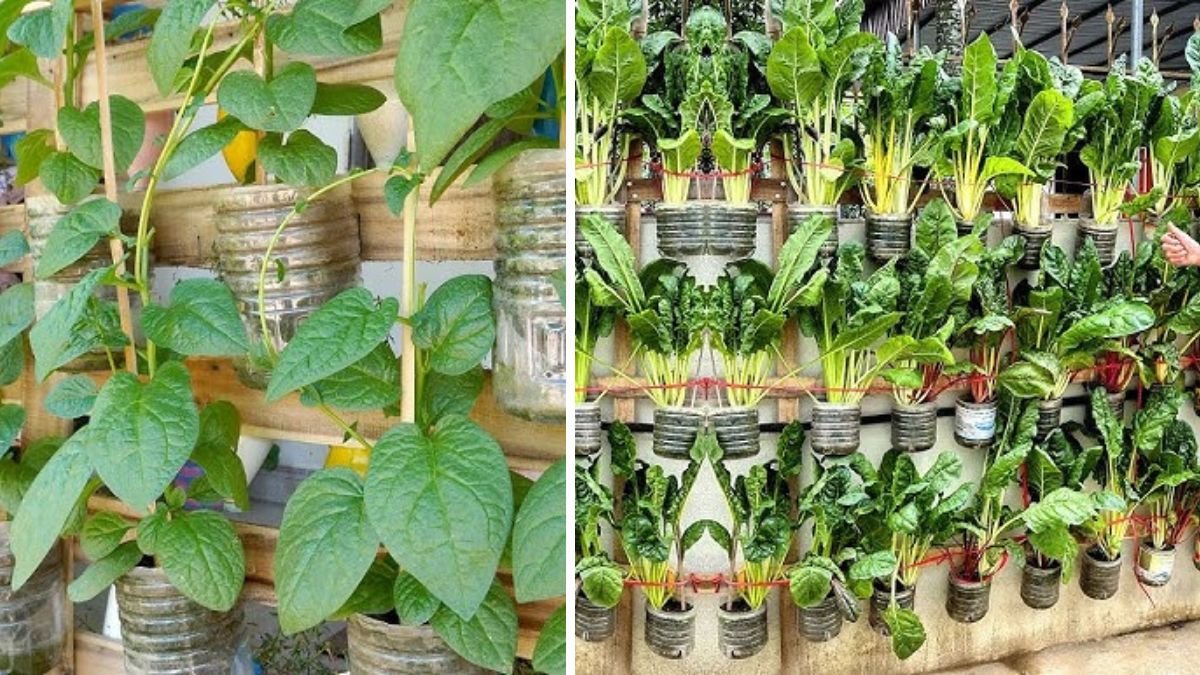
Plastic waste is one of the biggest environmental challenges of our time. Yet, with a little creativity, what would normally be discarded — used plastic bottles — can be transformed into productive kitchen gardens. This innovative method allows you to grow fresh vegetables year-round at home, promoting both sustainability and self-sufficiency. With just a few plastic bottles, you can create a vertical garden that maximizes space, minimizes waste, and brings healthy, organic vegetables directly to your kitchen.
Why Plastic Bottle Gardening Matters
Plastic pollution affects both the environment and human health. Studies show that microplastics from bottled water can enter our bodies, while discarded plastic pollutes soil and waterways. Repurposing plastic bottles for gardening provides an eco-friendly solution: it reduces plastic waste, promotes urban greenery, and allows families to grow their own fresh produce. In cities and rural areas alike, home gardeners, schools, and community groups are adopting this simple yet effective gardening method to combat both food insecurity and environmental issues.
This method is gaining popularity across India and globally. In Perambalur, Tamil Nadu, government officers have turned plastic waste into terrace gardens. They grow bottle gourd, spinach, bitter gourd, and okra on rooftops using reused containers. This initiative not only provides fresh vegetables year-round but also educates families on sustainable gardening practices. Similarly, urban gardeners in Bengaluru are using PVC pipes and plastic bottles to create compact vertical gardens, demonstrating how even small urban spaces can be greened efficiently.
Getting Started With Plastic Bottle Gardening
Collect and Prepare Bottles
Start by collecting used plastic bottles from your home. Wash them thoroughly to remove any residue. You can cut them horizontally to create a planter opening or vertically for stacking in a vertical garden. Make sure to punch small drainage holes at the bottom so excess water can escape.
Choose the Right Vegetables
Certain vegetables thrive in small containers and vertical setups. Leafy greens such as spinach and lettuce, herbs like coriander and mint, and alliums such as garlic and scallions are ideal. These crops are easy to grow in limited space, require minimal soil, and can be harvested regularly.
Soil and Compost
Use a combination of garden soil and compost for the best results. Homemade compost or organic soil mixes are preferable, as they provide essential nutrients and improve soil structure. Adding organic fertilizers like leftover rice water or kitchen compost can further enhance growth.
Step-By-Step DIY Vertical Garden
Creating a vertical garden using plastic bottles is surprisingly simple. Here’s a step-by-step guide:
- Cut the Bottles
Cut the middle section of the bottle to create a cavity for soil and seedlings. Make sure the edges are smooth to prevent damage to plants or yourself. - Add Drainage Holes
Poke a few small holes at the bottom of the bottle for water drainage. This prevents root rot and ensures your plants stay healthy. - Stack or Hang
You can either stack bottles vertically using a support structure or hang them using strings or hooks. Vertical arrangements save space and allow easy access to sunlight. - Fill with Soil and Plant
Fill the bottle cavity with the soil-compost mixture and plant seeds or seedlings. Herbs, leafy greens, and garlic do especially well in this setup. - Water Regularly
Depending on your local climate and sun exposure, water your plants every few days. Avoid overwatering, which can cause soil compaction and poor root growth.
Advantages of Growing Vegetables in Plastic Bottles
Environmental Benefits
- Reduces Plastic Waste: Repurposing bottles keeps them out of landfills and waterways.
- Promotes Urban Greening: Even small spaces like balconies, rooftops, and windowsills can host thriving gardens.
- Water Conservation: Container gardening often requires less water than traditional gardens because water is retained in the soil.
Health and Nutrition
- Access to Fresh Produce: Growing your own vegetables ensures you know exactly what goes into your food.
- Encourages Healthy Eating: Fresh, organic vegetables encourage better nutrition and healthier meals.
- Reduces Dependence on Store-Bought Produce: You can grow what you need, reducing reliance on commercial markets.
Cost-Effective
Plastic bottle gardening requires minimal investment. Instead of purchasing expensive planters, you simply reuse household bottles and make use of kitchen compost. Over time, the costs remain low while the benefits of fresh vegetables and environmental impact are high.
Real-World Success Stories
- Perambalur, Tamil Nadu
Government initiatives in Perambalur have transformed plastic waste into terrace gardens. Locals now grow a variety of vegetables, from spinach to bitter gourd, in reused containers. These projects not only provide year-round vegetables but also teach sustainable gardening practices to families. - Bengaluru Urban Gardens
In urban spaces like Bengaluru, residents are growing vegetables in PVC pipes and plastic bottles. These gardens demonstrate how even small, concrete-dominated areas can be turned into productive green spaces, showcasing innovative methods of urban agriculture. - Home Gardeners Across India
Gardeners nationwide are experimenting with vertical bottle gardens, successfully growing herbs, garlic, and leafy greens. They have reported high yields, minimal pest problems, and a reduction in kitchen waste, thanks to composting and smart gardening techniques.
Tips for Success
- Sunlight: Most vegetables need at least 4–6 hours of sunlight. Place your vertical garden in a well-lit area.
- Plant Rotation: Rotate crops seasonally to maintain soil health and maximize yield.
- Organic Boosters: Use homemade compost, leftover rice water, or kitchen waste-based fertilizers to enhance growth.
- Pest Management: Companion planting and natural sprays can prevent pests without harmful chemicals.
Authoritative Sources
- Times of India: Step-by-step guidance on growing garlic and vegetables in bottles. (timesofindia.indiatimes.com)
- New Indian Express: Real-world examples of urban and terrace gardening using recycled materials. (newindianexpress.com)
- The Better India: Innovative PVC and bottle gardening practices. (hindi.thebetterindia.com)
These sources provide detailed insights, research, and inspiration for anyone looking to start their own sustainable bottle garden.
Conclusion
With just a few plastic bottles, soil, and seeds, anyone can cultivate a year-round vegetable garden at home. This approach is not only eco-friendly but also cost-effective, space-efficient, and rewarding. Beyond providing fresh, organic vegetables, bottle gardening promotes sustainability, reduces plastic waste, and encourages a connection with nature.
Whether you live in a bustling city apartment or a small village home, vertical bottle gardening allows you to transform unused plastic into a source of nutrition and environmental stewardship. Start today, and see how a few simple bottles can create a green oasis, bringing fresh vegetables to your kitchen all year long.