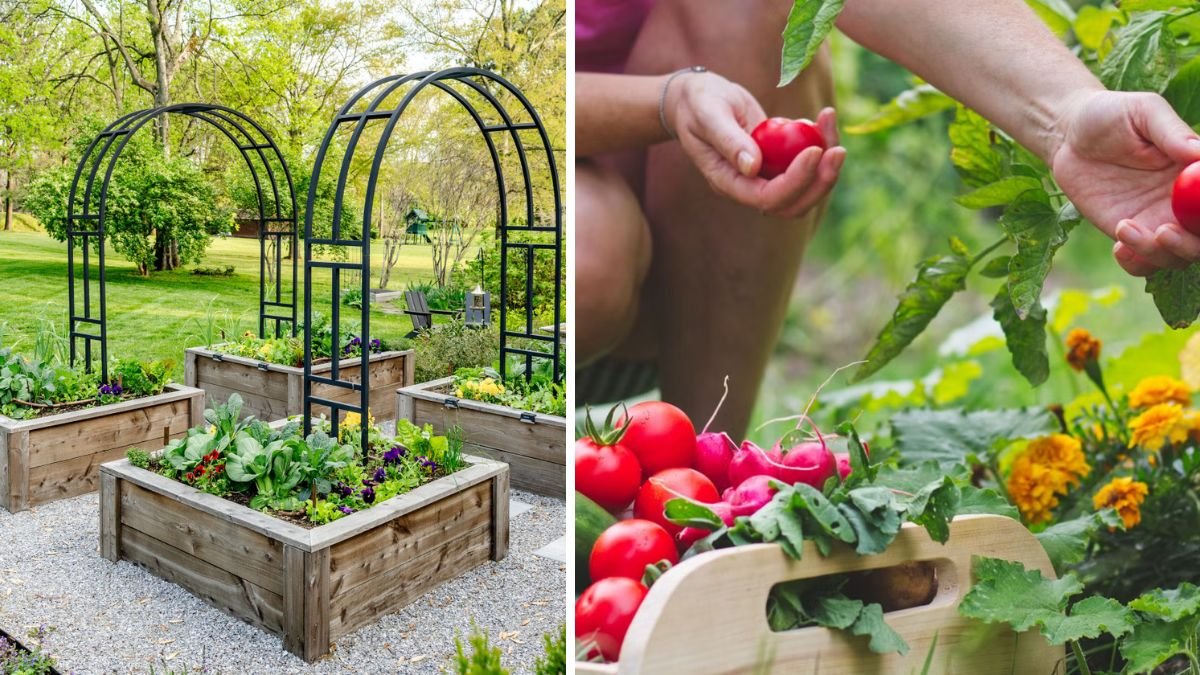
🌱 Introduction: The Growing Trend of Home Vegetable Gardens
With rising grocery costs and a growing focus on health and sustainability, more families are turning to homegrown solutions for fresh food. A fresh vegetable garden right in the yard offers an accessible, cost-effective way to produce nutritious vegetables while also connecting the family with nature. Beyond the practical benefits of fresh food, gardening provides opportunities for stress relief, outdoor exercise, and valuable learning experiences for children.
Whether you have a large backyard, a small patio, or just a few containers, cultivating your own vegetables can be simple and rewarding. Easy-to-grow options like tomatoes, spinach, carrots, and beans offer high yields with minimal effort, making them perfect for beginner gardeners. In this article, we’ll explore the many benefits of home gardening, provide beginner-friendly tips, and explain how you can start your own garden today. (bhg.com)
🏡 Benefits of a Fresh Vegetable Garden in Your Yard
1. Fresh and Nutritious Produce
Vegetables harvested from your own garden are at their peak freshness, which often means higher nutrient content compared to store-bought options. Studies show that homegrown vegetables retain more vitamins and antioxidants because they can be harvested at the right time, avoiding long storage or transport periods. Leafy greens, peppers, tomatoes, and carrots are especially nutrient-dense when picked fresh.
By growing your own food, you ensure the produce is free from harmful pesticides or chemicals, giving your family healthier and safer meals. (mayoclinichealthsystem.org)
2. Cost Savings on Grocery Bills
Home gardening can also significantly reduce weekly grocery expenses. Even a small backyard garden can yield enough vegetables to replace store-bought produce for meals like salads, soups, and stir-fries. Over a year, families can save hundreds of dollars, especially when planting high-yield crops like tomatoes, beans, and leafy greens. Gardening also reduces reliance on imported or packaged foods, which often come at a premium.
A well-planned garden can become an investment that pays back both financially and nutritionally. (bhg.com)
3. Stress Relief and Family Bonding
Gardening is widely recognized as a therapeutic activity that reduces stress, improves mood, and encourages mindfulness. For families, working together in the garden can strengthen bonds and teach children about responsibility, patience, and the food cycle. Kids who participate in gardening are more likely to try new vegetables and develop lifelong healthy eating habits.
Additionally, tending to plants outdoors provides gentle physical activity that improves fitness and supports mental health. (mayoclinichealthsystem.org)
4. Sustainable and Eco-Friendly Living
A home vegetable garden supports environmental sustainability by reducing carbon footprints associated with transporting, packaging, and storing supermarket vegetables. Composting organic waste and using natural pest control methods further enhance the eco-friendly impact. Growing a garden encourages biodiversity by attracting pollinators like bees and butterflies, which are essential for a healthy ecosystem.
Incorporating sustainable gardening practices not only benefits the planet but also instills eco-conscious habits in the whole family. (bhg.com)
🌿 Easy-to-Grow Vegetables for Beginners
Starting small with beginner-friendly crops makes gardening manageable and rewarding. Some of the easiest vegetables to grow in a backyard garden include:
- Leafy Greens: Spinach, kale, and lettuce grow quickly and thrive in containers or garden beds.
- Tomatoes: Require sunny spots and regular watering, but produce abundant fruit with little maintenance.
- Beans and Peas: Fast-growing and can be trained to climb trellises, saving space.
- Carrots and Radishes: Root vegetables that do well in loose soil and provide consistent harvests.
These crops are ideal for first-time gardeners because they are hardy, forgiving, and give visible results quickly, helping build confidence and motivation. (realsimple.com)
🌼 Tips for Starting Your Own Vegetable Garden
1. Choose the Right Location
Select a site that receives at least 6 hours of direct sunlight daily. Vegetables need sunlight to grow strong and produce healthy yields. The area should also have well-draining soil to prevent root rot and other water-related issues.
2. Consider Raised Beds or Containers
Raised beds and containers allow better control over soil quality, drainage, and pest management. They are also easier on the back, making planting, weeding, and harvesting more comfortable. For small yards or patios, container gardening can be just as productive as traditional garden beds.
3. Prioritize Watering and Soil Care
Consistent watering is critical for vegetable growth, especially in hot climates. Use mulch to retain soil moisture and reduce weeds. Compost and organic fertilizers enrich the soil with nutrients, supporting stronger, healthier plants. A well-maintained soil ecosystem encourages beneficial insects and microbes, improving overall plant health.
4. Start Small and Plan for Growth
Begin with a few vegetable varieties and expand gradually as your confidence grows. Planning crop rotation and companion planting can increase yields and minimize pest problems. Keeping a gardening journal to track planting dates, harvest times, and plant performance can help improve future gardening success.
5. Learn from Local Resources
Participating in local gardening workshops or community garden programs provides hands-on guidance for beginners. These resources often cover everything from soil preparation and planting schedules to pest control and seasonal tips. Learning from experts and connecting with local gardeners helps you adapt techniques to your local climate. (esakal.com)
🌿 Seasonal Planting Guide for Backyard Gardens
To maximize productivity, choose vegetables suited for your local climate and plant them according to the season:
- Spring: Lettuce, spinach, radishes, peas
- Summer: Tomatoes, beans, peppers, cucumbers
- Fall: Kale, carrots, beets, broccoli
- Winter (in mild climates): Garlic, onions, spinach, lettuce
By following a seasonal planting schedule, gardeners can enjoy a continuous supply of fresh produce throughout the year.
📌 Suggested Authoritative Sources to Reference
Including credible sources increases your blog’s authority and SEO ranking. Recommended sources:
- Better Homes & Gardens (BHG): Gardening benefits, cost-saving tips. (bhg.com)
- Real Simple: Easy vegetables for beginner gardeners. (realsimple.com)
- Mayo Clinic Health System: Health benefits of gardening. (mayoclinichealthsystem.org)
- Local Workshops: Hands-on gardening guidance and community support. (esakal.com)
🌱 Conclusion: Start Your Garden Today
A fresh vegetable garden right in the yard offers far more than food. It provides fresh nutrition, cost savings, stress relief, family bonding, and a sustainable way of living. With beginner-friendly crops, proper planning, and a little patience, even small spaces can become productive gardens that support the whole family.
Starting a garden today sets the stage for healthier, happier meals tomorrow. Whether you’re planting a single tomato plant or a full backyard vegetable patch, the rewards — both practical and emotional — are endless.