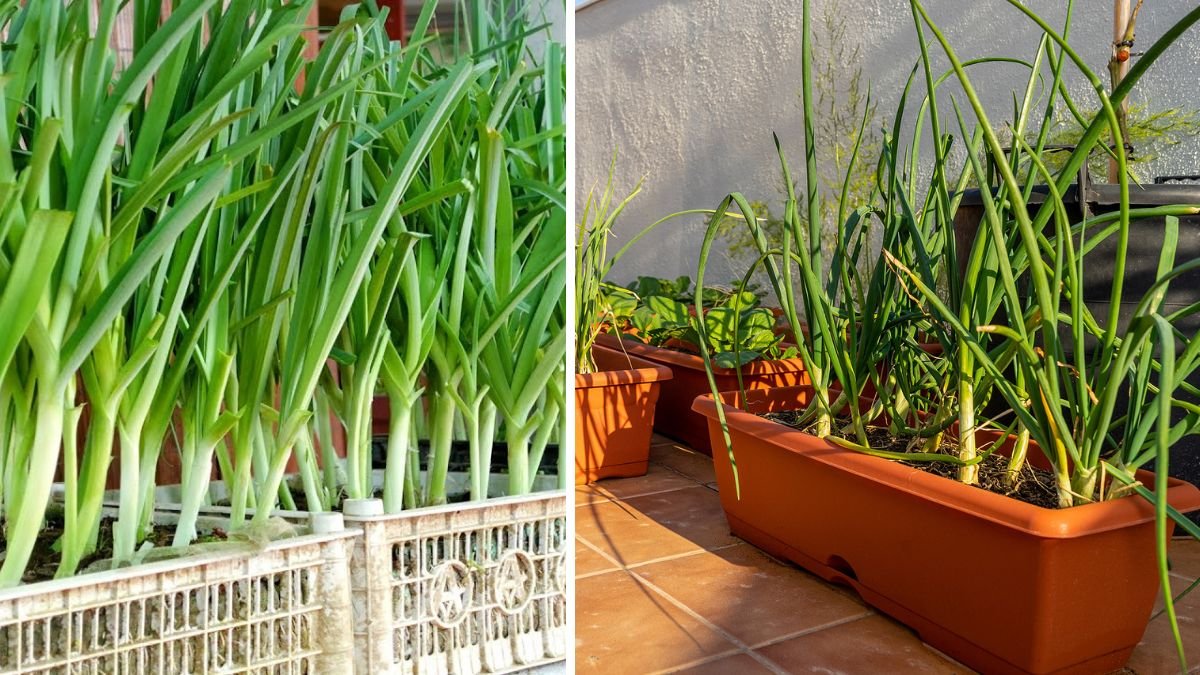
Leeks are one of the unsung heroes of the vegetable garden. With their mild, sweet flavor, they can elevate soups, stews, quiches, and sautés, making them a staple in many kitchens. What’s even better? Growing leeks at home is surprisingly easy and, with the right techniques, can produce a high-yield harvest even in small gardens. Whether you are a beginner gardener or an experienced grower, these easy and high yield tips for growing leeks at home will help you get the most out of your leek crop.
Why Grow Leeks at Home?
Leeks (Allium ampeloprasum) are part of the onion family, but instead of bulbs, we grow them for their thick, tender stalks. They are hardy, versatile, and perfect for cooler climates. When you grow them yourself, you can enjoy leeks that are fresher, more flavorful, and free of pesticides compared to store-bought varieties. Additionally, leeks store well and can be harvested over a long season, giving you a continuous supply of this nutritious vegetable.
Homegrown leeks are also incredibly rewarding because, unlike other vegetables, they require minimal maintenance if you follow a few key steps. With proper care, spacing, and feeding, you can produce a high-yield crop that keeps on giving.
Choosing the Right Location and Soil
The foundation for growing healthy leeks starts with location and soil preparation. Leeks thrive in sunny areas that receive at least 6 to 8 hours of sunlight per day. They prefer well-drained, fertile soil enriched with organic matter.
Before planting, work compost or well-rotted manure into the soil to improve its texture and nutrient content. This will ensure your leeks have the energy they need to grow strong, thick stalks. Leeks also prefer slightly acidic to neutral soil, with a pH between 6.0 and 7.0. Proper soil preparation is one of the easiest ways to boost both yield and flavor.
Starting Seeds Indoors vs. Direct Sowing
Leeks can be grown from seed, which gives you more control over the timing and quality of your plants. For an early start, sow leek seeds indoors about 8 to 10 weeks before the last expected frost. Use seed trays or small pots filled with seed compost. Keep them moist and in a warm location until the seedlings reach about 8–20 cm tall.
If you prefer, you can also sow leek seeds directly outdoors once the risk of frost has passed. Space them thinly in rows and plan for about 30 cm between rows to allow proper airflow and growth. Thinning seedlings early ensures that the remaining plants have enough room to grow large and healthy.
Pro Tip: Starting seeds indoors often results in bigger, stronger leeks that are more likely to produce a high yield.
Transplanting and Earthing Up
Once your leek seedlings are sturdy enough, it’s time to transplant them outdoors. When planting, dig a deep trench and place the seedlings deeper than they were in their trays. This encourages the stalks to blanch naturally, producing long, tender white bases — the part most commonly used in cooking.
As the leeks grow, gradually mound soil up around the stems in a process called “earthing up.” This not only helps blanch the stalk but also supports the plant and prevents wind damage. Proper transplanting and earthing up are essential for achieving a high-yield harvest.
Watering and Mulching for Optimal Growth
Leeks have shallow roots, which makes them particularly sensitive to drought. Consistent watering is crucial, especially during dry periods. Water deeply whenever the topsoil dries out, but avoid waterlogging, as this can lead to rot.
Mulching is another simple technique that promotes healthy growth. Apply straw, garden compost, or leaf mulch around the base of your leeks to retain moisture, suppress weeds, and regulate soil temperature. A well-mulched leek bed often results in larger, more tender stalks — and a higher yield.
Fertilizing for Maximum Productivity
Leeks are heavy feeders, meaning they require regular nutrients to reach their full potential. Incorporate compost or a balanced vegetable fertilizer into the soil before planting and continue to feed the plants every 4–6 weeks. Fertilization ensures steady, vigorous growth, resulting in larger leeks and a more productive crop.
Pro Tip: Avoid over-fertilizing with nitrogen-heavy fertilizers, as this can cause the leaves to grow excessively while reducing the size of the edible stalks.
Pest and Disease Management
While leeks are relatively hardy, they can fall prey to pests such as leaf miners and fungal diseases like rust. Good spacing and airflow reduce the risk of disease, while insect-proof mesh can protect seedlings from pests.
Regularly inspect your plants for signs of stress, discoloration, or damage. Removing flowers or bolting stalks early is also important, as bolting makes stalks tough and less palatable. A proactive approach ensures your crop remains healthy and high-yielding.
Harvesting Your Leeks
One of the advantages of leeks is their flexible harvest period. You can pull young “baby” leeks just a few months after planting or leave them to grow to full size for a larger yield. Use a garden fork to lift the leeks gently from the soil, taking care not to damage the roots or surrounding plants.
Leeks can be harvested gradually, which allows you to enjoy them fresh over several months. The longer you let them grow (without bolting), the richer their flavor becomes.
Tips for Achieving High Yields
To maximize your leek harvest, keep these strategies in mind:
- Sunlight and soil: Full sun and nutrient-rich, well-drained soil are essential.
- Seed starting: Start seeds indoors to get a head start and stronger plants.
- Proper spacing: Ensure adequate airflow to prevent disease.
- Regular watering: Keep soil consistently moist, especially during dry periods.
- Mulching: Retains moisture and suppresses weeds for better growth.
- Fertilization: Feed plants regularly for strong, thick stalks.
- Earthing up: Gradually mound soil around the base for tender, long stalks.
Following these steps will help you produce a high-yield leek garden that can keep your kitchen stocked for months.
Suggested Authoritative Sources
For more detailed, expert guidance on leek gardening, consider the following sources:
- Royal Horticultural Society (RHS) – Comprehensive vegetable growing guides (rhs.org.uk)
- University of Minnesota Extension – Research-based growing advice (extension.umn.edu)
- Gardening Know How – Practical propagation and care techniques (gardeningknowhow.com)
- Home & Gardens – Beginner-friendly growing tips (homesandgardens.com)
Final Thoughts
Growing leeks at home is not only rewarding but also surprisingly straightforward when you follow the right steps. From choosing the right soil to earthing up, watering, and harvesting, these easy and high yield tips for growing leeks at home can help even novice gardeners achieve professional results.
With patience, care, and a little planning, your homegrown leeks will be flavorful, tender, and plentiful — perfect for soups, stews, and a variety of dishes. Start today, and soon your garden will provide a continuous supply of one of the most versatile vegetables you can grow.