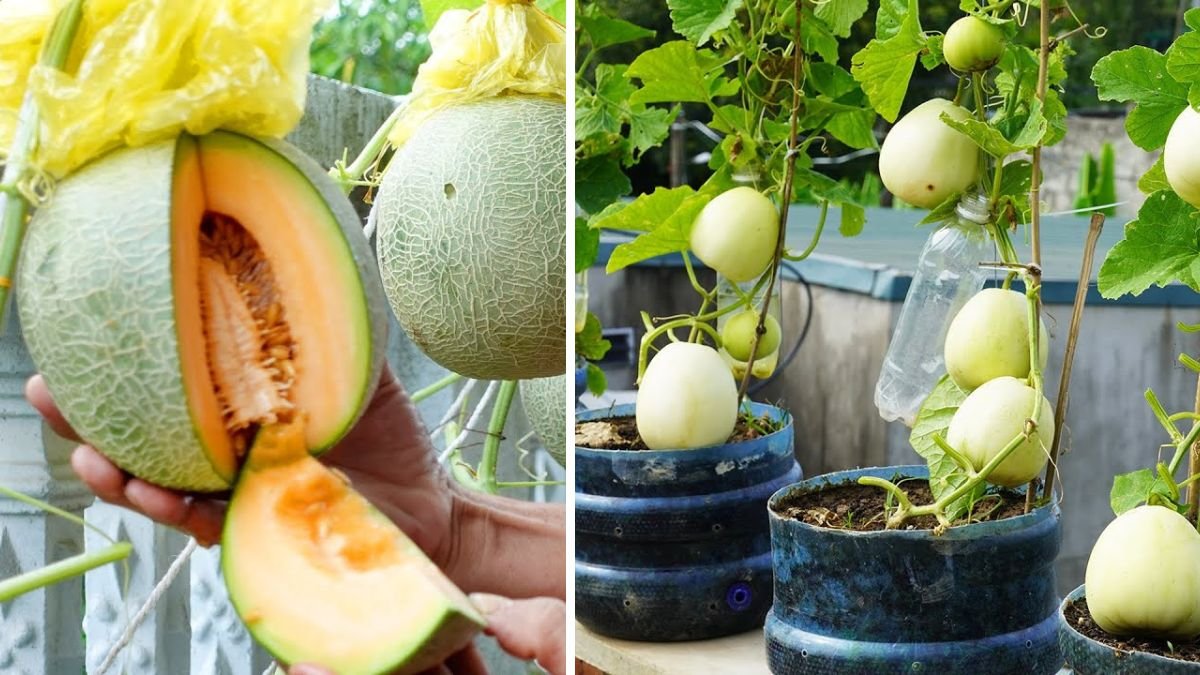
Urban gardening is no longer just a hobby — it’s a lifestyle. City dwellers increasingly crave fresh, homegrown produce, but limited space can make growing sprawling crops like melons seem impossible. Fortunately, with the right methods, growing specialty melons on your balcony is entirely achievable. Urban gardeners are discovering that even in small spaces, container gardening techniques, compact melon varieties, and smart care practices can produce juicy, flavorful melons right at home.
This guide will walk you through everything you need to know to cultivate sweet, specialty melons in containers, making your balcony a mini melon paradise.
Why Grow Specialty Melons on a Balcony?
Melons are celebrated for their sweetness and nutritional value, and growing them at home gives you control over both. Urban balcony gardening provides several advantages:
- Freshness: You harvest melons at peak ripeness, maximizing flavor and nutrients.
- Control over chemicals: Grow your melons organically without pesticides.
- Accessibility: Even small apartments with balconies or terraces can produce bountiful fruit.
- Sustainability: Container gardening allows recycling of kitchen compost and efficient water use.
For urban dwellers, learning how to grow specialty melons on the balcony is not just about fruit—it’s about creating a green oasis and reconnecting with the seasons.
Choosing the Right Melon Varieties
Not all melons are suited to small-space cultivation. Traditional watermelon and cantaloupe varieties can be too large for container growth, but compact cultivars thrive in pots. Some excellent options for balconies include:
- Sugar Baby / Sugar Baby Bush: Small, sweet watermelons that do well in large containers.
- Golden Midget & Early Moonbeam: Mini watermelons and cantaloupes ideal for urban growers.
- Mini Honeydew: Smaller honeydew varieties perfect for containers.
When selecting a variety, look for terms like “mini,” “dwarf,” or “container-friendly”. These melons are bred for compact growth and faster maturation, making them ideal for balconies and small patios.
Container Selection: The Foundation of Success
A melon’s success begins with its home. Large, deep containers are essential for healthy root development. Here are some guidelines:
- Pot Size: Use containers of at least 40–50 liters. Larger pots allow roots to expand and retain sufficient moisture.
- Drainage: Ensure containers have proper drainage holes to prevent waterlogging, which can lead to root rot.
- Materials: Plastic, clay, or fabric grow bags are suitable. Fabric pots provide excellent aeration for roots, while clay pots offer stability.
Choosing the right container sets the stage for a thriving melon vine, even in restricted spaces.
Soil and Nutrient Requirements
Melons are heavy feeders and require nutrient-rich soil. For container cultivation, the ideal soil mix combines fertility, drainage, and aeration:
- 40% garden soil
- 30% compost or aged organic matter
- 20% cocopeat or perlite for aeration
- 10% sand for drainage
This mixture ensures roots remain healthy and well-oxygenated, while nutrients support sweet fruit development. Adding slow-release fertilizer or organic amendments during the growing season can further enhance growth and sweetness.
Sunlight, Water, and Climate Management
Melons thrive in warm, sunny conditions. On a balcony, maximizing sunlight is crucial:
- Sunlight: Aim for at least 6–8 hours of direct sun per day.
- Watering: Keep soil consistently moist, but avoid overwatering. As fruits mature, reduce watering slightly to concentrate sugars and improve sweetness.
- Microclimate: Balconies can be windier or hotter than ground-level gardens. Protect young plants from strong winds, and use reflective surfaces or light-colored walls to prevent overheating.
Careful attention to sunlight and water ensures healthy growth and sweet, juicy melons.
Vertical Gardening: Trellising Your Melon Vines
Space is limited on balconies, so vertical growth is key. Trellising not only saves space but also improves airflow and fruit quality. Here’s how to train your vines:
- Support Structure: Use trellises, bamboo stakes, or mesh to guide vines upward.
- Fruit Slings: For heavier melons, create small cloth or net slings to support fruits and prevent stem breakage.
- Pruning: Remove excessive lateral shoots to focus the plant’s energy on producing fewer but higher-quality melons.
Vertical training transforms a small balcony into a productive melon garden without crowding.
Pollination for Maximum Yield
Melons require pollination to produce fruit. In urban settings, natural pollinators like bees may be limited, so hand pollination ensures success:
- Identify Flowers: Male flowers appear first and contain pollen, while female flowers have a small fruit at the base.
- Transfer Pollen: Use a small brush or cotton swab to transfer pollen from male to female flowers.
- Timing: Pollinate in the morning for the best results.
Hand pollination can significantly increase fruit set, especially in high-rise environments.
Harvesting Tips
Knowing when to harvest melons is crucial for sweetness:
- Signs of Ripeness: Color change, strong aroma, and easy separation from the stem indicate maturity.
- Sugar Concentration: Slightly under-ripe melons can be less sweet, while overripe fruit may become mushy.
- Technique: Use a clean, sharp knife or scissors to cut melons from the vine carefully.
Harvesting at the right time ensures maximum flavor and satisfaction.
Latest Trends in Urban Melon Gardening
Urban melon gardening is gaining attention due to its sustainability and practicality. Key trends include:
- Kitchen Waste Composting: Using composted food scraps to enrich container soil.
- Vertical and Microclimate Techniques: Optimizing airflow and sun exposure in tight spaces.
- Compact Varieties: Breeding mini melons specifically for container growth.
- Digital Guides and Apps: Urban gardeners increasingly rely on online resources for tips on watering schedules, pest control, and growth monitoring.
Even in small spaces, these trends make growing melons viable and rewarding.
Expert and Authoritative Sources
For readers seeking more detailed guidance, the following sources provide reliable, expert advice:
- University of Minnesota Extension — Growing Melons in Home Gardens: Offers comprehensive melon cultivation guidance.
- Royal Horticultural Society (RHS) — Grow Your Own Melons: Provides tips on container growing and plant care.
- Garden and Allotment Tips — Container Melon Guide: Practical advice for small-space melon cultivation.
These sources are invaluable for both beginners and experienced urban gardeners.
Conclusion
Growing specialty melons on your balcony is not only possible but also highly rewarding. With careful selection of compact varieties, deep nutrient-rich containers, vertical trellising, and proper sunlight and watering, you can enjoy super delicious melons right at home. Urban gardening transforms balconies into productive green spaces, allowing city dwellers to enjoy the taste of freshly harvested fruit without leaving their apartment.
Whether you’re a beginner or an experienced gardener, following these expert tips ensures a bountiful and sweet melon harvest every season. Start small, plan carefully, and watch your balcony transform into a melon oasis.