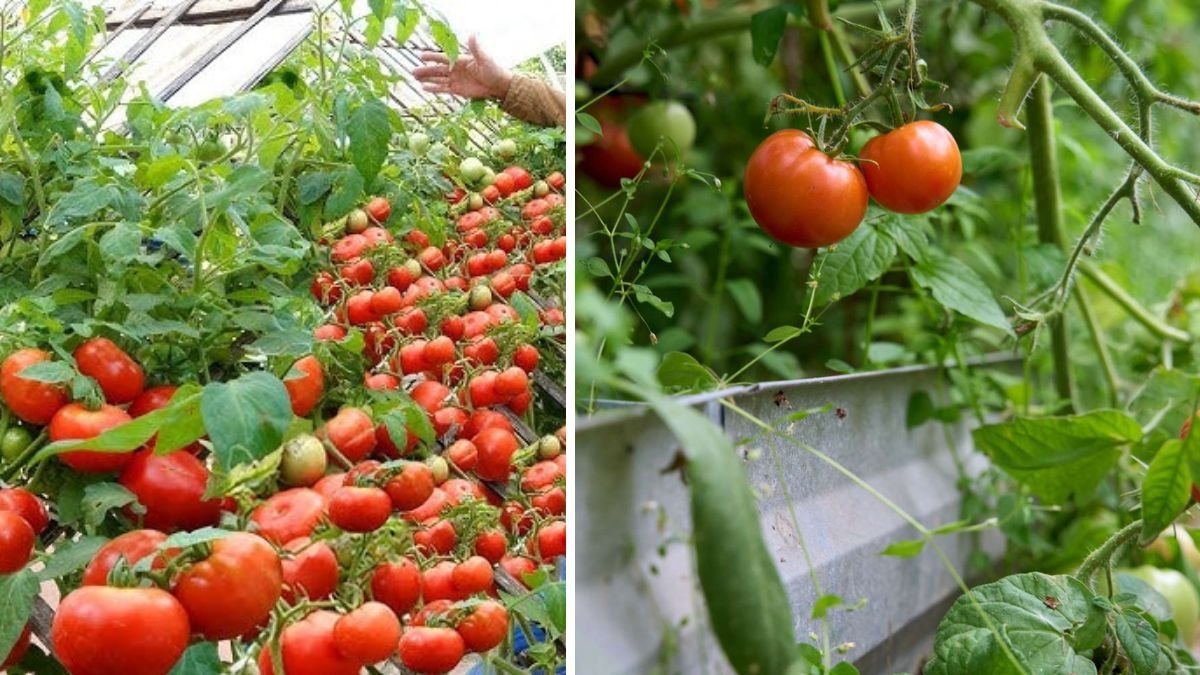
Introduction: Why Growing Tomatoes at Home is a Game-Changer
Growing tomatoes at home is one of the most rewarding and practical gardening activities for beginners and experienced gardeners alike. Tomatoes are versatile, nutritious, and relatively simple to cultivate if you understand their basic needs. Beyond saving money, homegrown tomatoes offer superior flavor compared to store-bought varieties, and they allow you to experiment with colors, shapes, and tastes that aren’t typically available in grocery stores.
In recent years, home gardening has surged in popularity due to increased interest in healthy eating and sustainability. Whether you have a backyard, balcony, or even a small patio, understanding the easiest and most fruitful way to grow tomatoes at home ensures that your efforts yield juicy, vibrant fruits all season long.
Understanding Tomato Basics
Tomatoes are warm-season crops that thrive in sunny, well-drained locations. They can be grown from seed indoors or planted as young transplants outdoors once the temperature is consistently warm. There are two main types:
- Determinate (bushy): These grow to a set size and produce all their fruit in a short period, making them ideal for container gardening.
- Indeterminate (vining): These grow continuously and produce fruit throughout the season but require staking or support.
Knowing your tomato type is crucial because it affects how you plant, prune, and care for your plants. (RHS)
Step 1: Choosing the Right Location and Containers
The first step in growing healthy, productive tomato plants is selecting the ideal location. Tomatoes require 6–8 hours of direct sunlight daily to thrive. If you’re growing them in containers, choose pots that are at least 12 inches deep and wide. Large containers help retain moisture, reduce stress on the plants, and support root growth.
For urban gardeners or those with limited outdoor space, growing tomatoes in pots or grow bags is often more practical than planting directly in the ground. This method allows you to move your plants to optimize sunlight exposure and protect them from pests. (University of Florida IFAS)
Step 2: Preparing the Perfect Soil
Tomatoes flourish in nutrient-rich, well-drained soil. Use a high-quality potting mix or compost amended with organic matter to improve water retention and soil structure. The ideal soil pH for tomatoes ranges between 6.2 and 6.8, which promotes nutrient uptake and reduces the risk of diseases.
Adding compost not only feeds your plants but also improves soil aeration and encourages beneficial microorganisms. Healthy soil is the foundation for robust growth and abundant fruit. (Homes & Gardens)
Step 3: Planting Deeply for Strong Roots
One of the secrets to a fruitful tomato harvest is deep planting. Bury seedlings deeper than their original pots, leaving only the top leaves exposed. Tomatoes are capable of growing roots along their buried stems, which strengthens the root system and increases nutrient uptake. This method results in taller, sturdier plants with higher fruit yields.
Spacing is also important: determine the right distance based on your tomato type—typically 18–24 inches for determinate and up to 36 inches for indeterminate varieties—to allow proper airflow and reduce disease risk.
Step 4: Consistent Watering Practices
Tomatoes are sensitive to fluctuations in moisture. Uneven watering can lead to blossom end rot, fruit cracking, and stressed plants. Aim for evenly moist soil, watering deeply at the base of the plant rather than overhead to prevent leaf diseases.
Container-grown tomatoes may require daily watering in hot weather, while in-ground plants typically need watering every 2–3 days. Using a soaker hose or drip irrigation system helps maintain consistent moisture levels and reduces labor. (Extension UMN)
Step 5: Feeding for Maximum Fruit Production
Tomatoes are heavy feeders, particularly once they start flowering. Fertilize with a balanced or potassium-rich fertilizer every 10–14 days to promote healthy fruit set and development. Organic options, such as compost tea, fish emulsion, or seaweed extract, are excellent for nourishing your plants naturally.
Remember, over-fertilizing with nitrogen can produce lush foliage at the expense of fruit, so moderation is key.
Step 6: Providing Support and Pruning
Indeterminate tomatoes, in particular, require support to prevent sprawling and improve airflow. Use stakes, cages, or trellises to keep plants upright and reduce the risk of diseases.
Pruning is equally important: remove suckers (small shoots between the main stem and branches) on indeterminate varieties to direct energy toward fruit production. Determinate varieties usually require minimal pruning. Proper support and pruning ensure larger, healthier tomatoes and easier harvesting. (GrowJoy)
Step 7: Mulching for Soil Health
Applying a layer of mulch around your tomato plants has multiple benefits: it retains soil moisture, suppresses weeds, and maintains a stable soil temperature. Organic mulch, like straw or shredded leaves, gradually breaks down to enrich the soil further. Mulching also helps prevent soil-borne diseases by reducing splashback onto the leaves.
Common Issues and Troubleshooting
Even with careful planning, tomato plants can encounter problems. Here are some common issues and how to address them:
- Blossom End Rot: Caused by inconsistent watering and calcium deficiency. Maintain even moisture and consider a calcium supplement if needed.
- Cracked Fruit: Results from sudden changes in soil moisture. Mulching and consistent watering can reduce cracking.
- Pests and Diseases: Improve airflow, avoid overhead watering, and use clean tools. Companion planting and natural pest deterrents can also help. (Colorado State University)
Latest Tips from Gardening Experts
Recent gardening news highlights several trends and best practices for home tomato cultivation:
- Container Growing: Experts recommend container gardening for urban spaces as it allows flexibility and protection from pests. (The Spruce)
- Cherry Tomatoes: Cherry tomato varieties are highly productive and ideal for beginner gardeners seeking a continuous harvest. (Better Homes & Gardens)
- Companion Planting: Avoid planting nutrient-competitive vegetables near tomatoes. Strategic companion planting improves growth and fruit quality. (Southern Living)
Authoritative Sources for Further Reading
- Royal Horticultural Society (RHS) — Comprehensive guide to soil, planting, watering, and pruning (rhs.org.uk)
- University of Florida IFAS — Practical container growing tips (gardeningsolutions.ifas.ufl.edu)
- Colorado State University Extension — Soil, irrigation, and disease management (extension.colostate.edu)
- Better Homes & Gardens — Varieties, pruning, and harvesting techniques (bhg.com)
Conclusion: Enjoy a Bountiful Harvest
Growing tomatoes at home doesn’t need to be intimidating. By following the steps outlined—choosing the right spot, planting deeply, watering consistently, feeding properly, supporting and pruning plants, and mulching—you can enjoy a rich, fruitful tomato harvest even as a beginner.
Experiment with different varieties, monitor your plants, and enjoy the rewarding experience of picking fresh tomatoes straight from your garden. With the easiest and most fruitful way to grow tomatoes at home, you’ll have the satisfaction of producing healthy, flavorful fruit season after season.