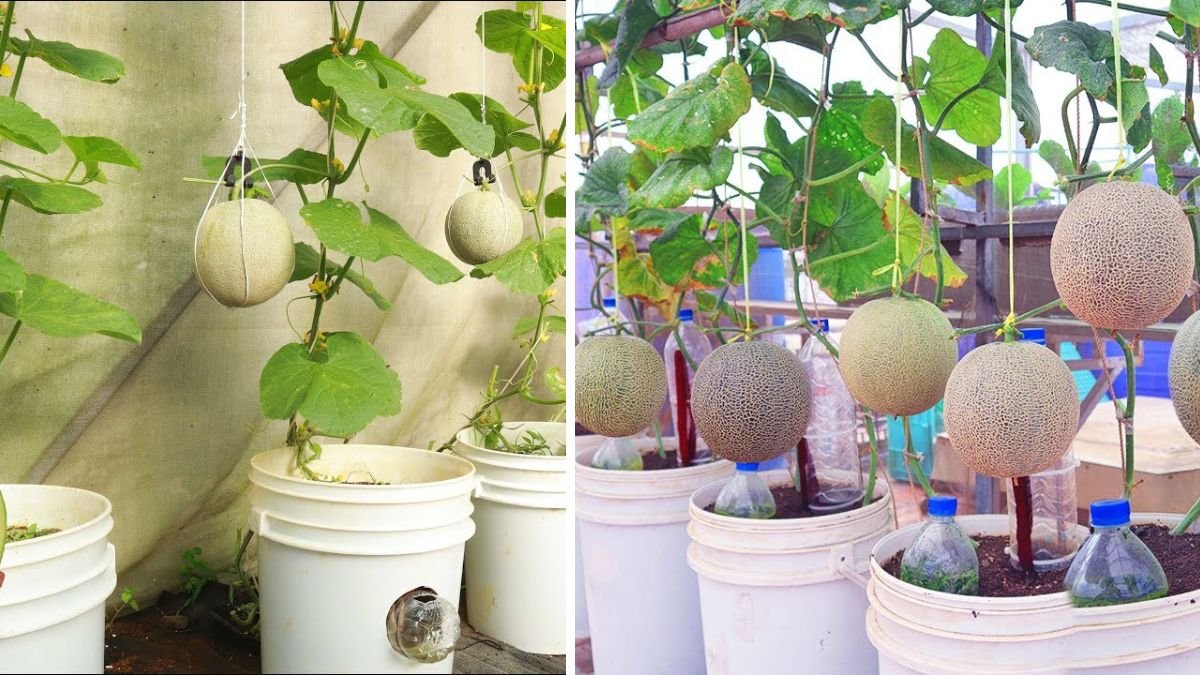
Cantaloupe, also known as muskmelon, is a warm-season fruit prized for its sweet, juicy flavor and impressive nutritional value. Growing cantaloupe at home allows you to enjoy fresh, chemical-free fruits at peak ripeness while achieving higher yields and larger fruits than store-bought varieties. With the right techniques, even home gardeners with small spaces can enjoy a bountiful harvest. This guide will cover everything from seed selection to harvesting, ensuring your cantaloupe garden thrives.
Why Grow Cantaloupe at Home?
Growing your own cantaloupe comes with several advantages:
- Flavor: Homegrown cantaloupes taste far sweeter and juicier than store-bought options.
- Nutrition: Picking fruits at peak ripeness ensures maximum vitamins, minerals, and antioxidants.
- Control: You can avoid pesticides and fertilizers, ensuring safe, organic produce.
- Satisfaction: Watching your plants grow from seed to harvest is incredibly rewarding.
With proper care and planning, even novice gardeners can achieve high yields and large fruits, making cantaloupe an ideal choice for home gardens.
Step 1: Choosing the Right Variety
Selecting the right cantaloupe variety is crucial for a high-yield harvest. Some varieties produce smaller fruits suitable for containers, while others develop larger, heavier melons. Popular choices include:
- Cantalupensis types: Classic muskmelons with netted rinds and sweet flesh.
- Hybrid varieties: Designed for larger fruit size and disease resistance.
- Kashi Madhu: Known for robust growth and high yield.
Choosing a variety suited to your climate and space ensures stronger plants and bigger fruits. Always opt for high-quality seeds from reliable suppliers to maximize success.
Step 2: Planting Time and Temperature
Cantaloupes are warm-season plants, thriving in temperatures above 70°F (21°C). Frost can kill seedlings, so timing is essential:
- Direct sowing: Best after the last frost date when soil has warmed.
- Indoor starting: In cooler regions, start seeds indoors 3–4 weeks before transplanting.
Maintaining consistent warmth ensures strong growth and accelerates fruit development.
Step 3: Preparing the Soil
Cantaloupe plants require well-draining soil enriched with organic matter. Follow these guidelines for optimal soil conditions:
- pH: Ideal range is 6.0–6.8.
- Amendments: Incorporate aged compost or manure to boost fertility.
- Drainage: Avoid waterlogged soil, which can lead to root rot.
Healthy soil lays the foundation for vigorous vines and large, sweet fruits.
Step 4: Sowing Seeds and Spacing
Proper planting ensures each plant has enough space to thrive:
- Depth: Sow seeds 2–3 cm deep.
- Spacing: Place plants 45–60 cm apart, with rows 1.5–1.8 m apart.
Providing ample space allows vines to spread, reduces competition, and promotes better air circulation, reducing disease risks.
Step 5: Sunlight and Watering
Cantaloupes are sun-loving plants, requiring at least 6–8 hours of full sunlight daily. Watering is equally crucial:
- Deep watering: 2.5–5 cm per week is ideal.
- Adjusting water: Reduce irrigation as fruits near maturity to concentrate sugars.
Consistent sunlight and proper watering encourage vigorous growth, sweet flavor, and big fruit size.
Step 6: Mulching and Weed Control
Mulching is an essential practice to improve soil health and protect your crop:
- Apply straw, compost, or biodegradable mulch around the base of plants.
- Mulch retains moisture, suppresses weeds, and keeps fruits clean.
- Helps regulate soil temperature, especially during hot summer months.
Weed control is important because weeds compete for nutrients and water, potentially reducing yields.
Step 7: Fertilization for High Yield
Cantaloupe plants are heavy feeders. Fertilize wisely to encourage abundant blooms and big fruits:
- At planting: Use a balanced fertilizer (NPK 10:10:10) to support early growth.
- During flowering and fruiting: Switch to a phosphorus- and potassium-rich fertilizer to promote flowers, fruit set, and large fruit development.
Avoid over-fertilizing nitrogen late in growth, as it encourages excessive leaf growth at the expense of fruit size.
Step 8: Training and Pruning for Bigger Fruits
To maximize fruit size, consider training and pruning your cantaloupe plants:
- Trellising: Supports vines, reduces disease risk, and improves air circulation.
- Pruning: Limit the number of fruits per plant so nutrients focus on fewer melons, resulting in larger, sweeter fruit.
Proper management ensures your plant invests energy where it matters most — the fruits.
Step 9: Pest and Disease Management
Cantaloupe plants can attract pests and diseases if not carefully managed. Use natural or organic solutions:
- Pests: Aphids, cucumber beetles, and vine borers can be controlled with neem oil or insecticidal soap.
- Diseases: Powdery mildew and downy mildew are common; avoid overhead watering and provide proper spacing for airflow.
Early detection and intervention prevent infestations and maintain fruit quality.
Step 10: Harvesting at Peak Sweetness
Knowing when to harvest is key to enjoying sweet, juicy cantaloupes:
- Color: Skin changes to a beige or yellowish hue.
- Aroma: A strong sweet fragrance signals ripeness.
- Ease of detachment: Ripe fruits twist off easily from the vine.
Harvesting at the right time ensures maximum flavor and sugar content, making homegrown cantaloupes far superior to store-bought options.
Growing Cantaloupe in Containers
Even with limited space, cantaloupes can thrive in containers:
- Container size: Minimum 12–15 L capacity.
- Sunlight: Ensure full sun exposure.
- Drainage: Use well-draining potting mix to prevent root rot.
- Support: Provide trellis or cage for vine support.
Container cultivation is ideal for balconies, patios, or small gardens, allowing anyone to grow large, sweet fruits at home.
Pro Tips for Maximum Success
- Use high-quality seeds to ensure healthy plants and uniform growth.
- Start seeds indoors if local conditions are too cool for direct sowing.
- Encourage pollinators, such as bees, which are essential for fruit set.
- Rotate crops annually to reduce soil-borne diseases.
These small steps make a big difference in fruit size, yield, and overall plant health.
Authoritative Sources
For more in-depth guidance and up-to-date techniques, consult these trusted sources:
- Taim – Growing Cantaloupe Basics: Practical planting and care tips (taim.io)
- The Old Farmer’s Almanac: Regional planting schedules and tips (almanac.com)
- GardenersPath & GrowJoy: Advanced fertilization, container growing, and pruning strategies (gardenerspath.com)
These resources provide additional expert advice to complement home gardening practices.
Conclusion
Growing cantaloupe at home is a rewarding venture that can yield high-quality, large, and juicy fruits with proper planning and care. From choosing the right seeds and preparing the soil to proper watering, fertilization, and pruning, every step matters. With the techniques outlined in this guide, [FOCUS KEYWORD] is achievable for both beginner and experienced gardeners alike. Enjoy the satisfaction of harvesting your own sweet cantaloupes and savor the unbeatable flavor of truly homegrown fruit.