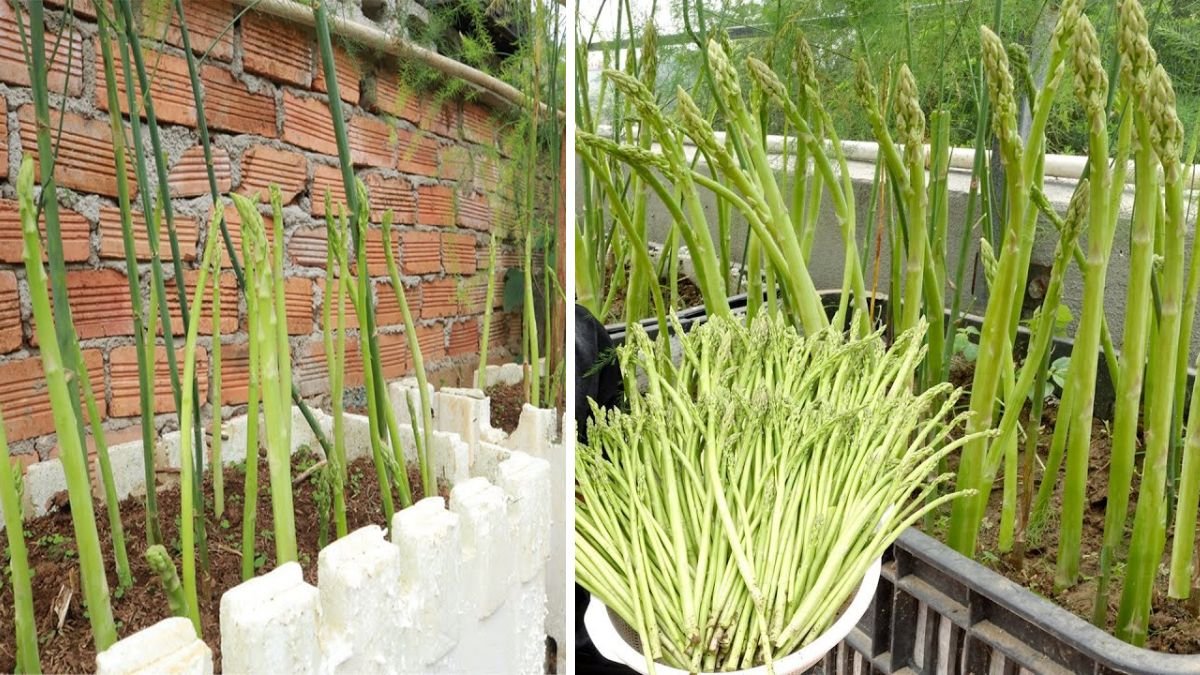
Growing your own asparagus at home can be one of the most rewarding gardening experiences. While it requires patience and planning, the payoff is decades of fresh, nutritious, and tender spears that you can harvest each spring. In this guide, we’ll walk you through the most productive and effective techniques for growing asparagus at home, from selecting the right site to maximizing long-term yields.
Why Grow Asparagus at Home?
Asparagus is a perennial vegetable, meaning it comes back year after year, unlike many annual vegetables. Once established, an asparagus bed can produce for 15–30+ years with proper care. It’s highly valued for its delicate flavor, high nutritional content, and versatility in cooking.
Growing asparagus at home is perfect for gardeners who want a long-term, high-yield crop. Unlike quick-growing vegetables, asparagus requires a few years to mature, but the results are well worth the wait. With the right approach, even small gardens or terrace planters can produce abundant spears season after season.
Choosing the Right Location
The first step for a productive asparagus garden is selecting the right site. Asparagus thrives in areas with full sun, ideally receiving 6–8 hours of direct sunlight daily. Sunlight is essential for vigorous spear growth and for producing strong root systems that can support decades of harvests.
Drainage is equally important. Asparagus roots do not tolerate standing water. Avoid low-lying areas prone to waterlogging. If you’re limited on space, raised beds or large containers with well-draining soil can also be highly effective.
Expert Tip: Even in containers, asparagus requires at least 45–50 cm (18–20 inches) of depth for proper root development.
Preparing the Soil
Soil preparation is the key to growing asparagus productively and effectively. Asparagus prefers well-draining, fertile soil rich in organic matter. Compost or aged manure is excellent for improving soil structure and nutrient content.
The ideal soil pH is around 6.5–7.5, which ensures optimal nutrient absorption. Before planting, remove weeds and loosen the soil to a depth of 12–18 inches, giving the asparagus roots room to grow deep and strong.
Adding a layer of mulch not only enriches the soil over time but also helps retain moisture, suppress weeds, and regulate soil temperature — all critical factors for a high-yield asparagus bed.
Selecting and Planting Asparagus
While you can grow asparagus from seeds, most home gardeners choose 1-year-old crowns because they establish more quickly and yield sooner. Planting crowns rather than seeds gives you a head start, reducing the waiting period for harvest.
Plant in early spring when soil temperatures reach around 10°C (50°F). Dig trenches or holes about 30–45 cm (12–18 inches) apart. Place crowns with the buds facing upwards, then cover them with a few inches of soil. Gradually fill in the trench as the plants grow.
Patience is crucial. Avoid harvesting in the first year to allow the crowns to develop strong roots. The second year, you can harvest lightly, and by the third year, your asparagus bed should be producing a full crop.
Watering and Fertilization
Asparagus requires consistent moisture, especially during its first few growing seasons. Aim for about 1 inch of water per week, ensuring the soil stays damp but not waterlogged. Too much water can cause root rot, while too little can reduce spear size and yield.
Organic mulch is highly beneficial. A 2–3 inch layer of straw, leaves, or composted bark helps retain soil moisture, reduces the need for frequent watering, and suppresses weeds that compete with asparagus for nutrients.
Fertilization is essential for a productive asparagus bed. Apply a balanced fertilizer in early spring before new growth appears and again after the harvest season. This replenishes nutrients and supports healthy, vigorous plants that produce more spears over time.
Harvesting Your Asparagus
One of the most exciting parts of growing asparagus is harvesting your first spears. However, timing is crucial for productivity and plant health.
- Year 1: Do not harvest; let the crowns establish.
- Year 2: Harvest lightly for 2–3 weeks to avoid stressing the plants.
- Year 3 and beyond: You can harvest for 4–6 weeks, typically from mid to late spring.
Harvest spears when they are 15–20 cm (6–8 inches) tall. Snap or cut them at ground level using a gentle twisting motion. Avoid taking thin or sparse spears as this indicates the plants need more time to grow.
After the harvest season, allow remaining spears to grow into fern-like foliage, which is essential for photosynthesis. These ferns store energy in the roots, ensuring a healthy, productive crop for the following season.
Seasonal Care and Long-Term Maintenance
Asparagus is a long-term commitment, but with proper care, it can produce for decades. Seasonal care includes:
- After harvest: Let ferns grow and mature, then cut back in late fall once they turn brown.
- Winter protection: In colder climates, add a layer of mulch to protect roots from frost.
- Weed control: Maintain a mulch layer and remove weeds to reduce competition for nutrients.
- Crop rotation: Avoid planting asparagus in areas previously used for nightshades, onions, or corn to minimize pest and disease issues.
Regular maintenance ensures sustained high yields and prevents the decline that can occur in neglected asparagus beds.
Maximizing Productivity: Expert Tips
- Start with quality crowns: Healthy, disease-free crowns are the foundation of productive asparagus.
- Deep soil preparation: The deeper and richer the soil, the stronger the roots and the larger the spears.
- Consistent watering and fertilization: A well-fed, well-watered bed produces more spears.
- Patience is profitable: Avoid early harvests; strong roots mean long-term, higher yields.
- Container gardening for small spaces: Use large, deep pots with high-quality soil for terrace or balcony gardens.
With these techniques, home gardeners can achieve the most productive and effective asparagus growth, even in limited spaces.
Authoritative Sources for Further Reading
- The Old Farmer’s Almanac: Offers detailed perennial crop advice and long-term asparagus tips. almanac.com
- Oregon State University Extension: Expert guidance on site preparation and asparagus longevity. extension.oregonstate.edu
- VegUdyan: Localized guidance for terrace and container asparagus cultivation. vegudyan.com
- IndiaTimes Gardening: Step-by-step home growing methods. indiatimes.com
Final Thoughts
Growing asparagus at home is both a challenge and a delight. By selecting the right site, preparing soil thoroughly, planting carefully, and practicing patience, you can enjoy fresh, tender spears year after year. Whether in a traditional garden bed or a raised container, following these most productive and effective techniques will help your asparagus thrive.
Asparagus is a true long-term investment in your garden, and with the strategies outlined in this guide, your homegrown harvest will be both abundant and rewarding.