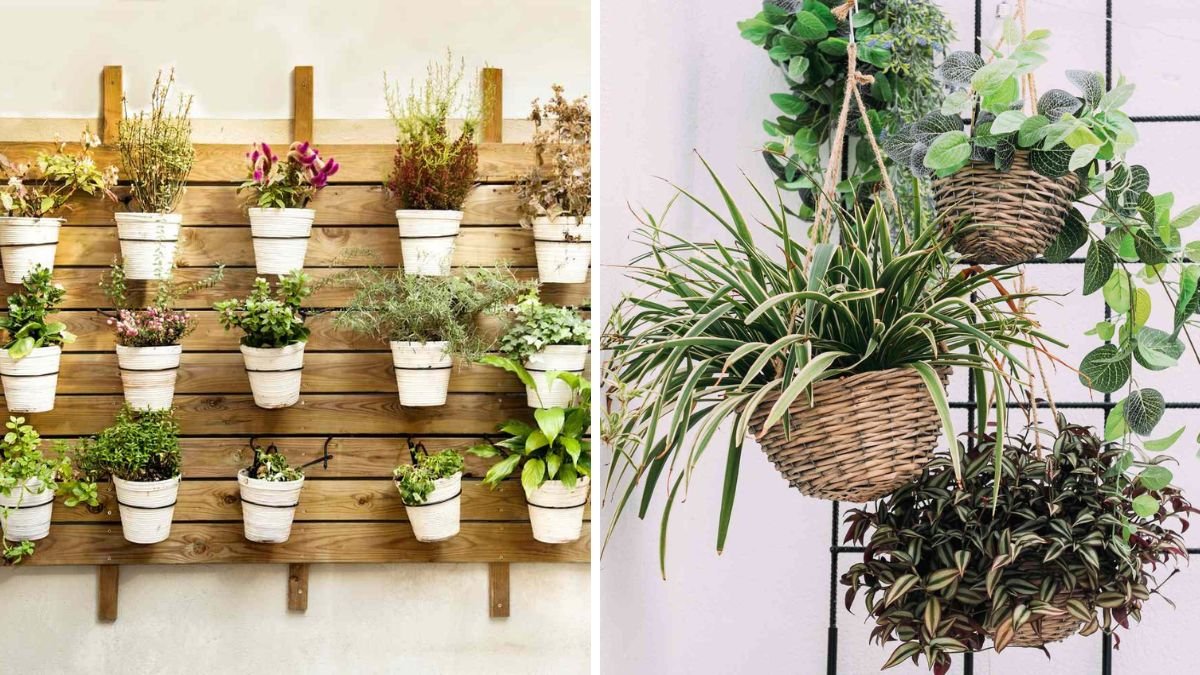
Creating a dream hanging garden at home is more than a trend—it’s a lifestyle choice that combines beauty, convenience, and practicality. In 2026, homeowners and apartment dwellers are embracing vertical gardening as a way to maximize space, add greenery, and enhance their living environment without the high costs of traditional landscaping. Hanging gardens are versatile, economical, and perfect for small spaces, making them a must-have addition to your home.
What Is a Hanging Garden?
A hanging garden consists of plants suspended above ground level in baskets, pots, or containers attached to walls, ceilings, or railings. Unlike conventional gardens, hanging gardens take advantage of vertical space, allowing you to grow a variety of flowers, herbs, and leafy plants even if you lack a yard or balcony.
The concept of hanging gardens isn’t new—historical wonders like the Hanging Gardens of Babylon prove the timeless appeal of suspended greenery. Today, modern hanging gardens combine aesthetic appeal with functionality, helping to purify the air and create a peaceful, green retreat right in your home.
Benefits of a Hanging Garden
Hanging gardens provide multiple practical and aesthetic benefits, making them increasingly popular among urban dwellers. Here’s why they’re worth considering:
1. Space-Saving Design
Hanging gardens utilize vertical space, making them ideal for apartments, small patios, and balconies. You can hang pots from ceilings, walls, or railings, freeing up floor space while still enjoying lush greenery. With clever arrangement, even a tiny corner can transform into a vibrant mini oasis.
2. Budget-Friendly
Building a hanging garden doesn’t require a huge budget. Simple baskets, affordable pots, and basic hooks or chains are sufficient to create a beautiful setup. You can also repurpose old containers like jars or baskets, keeping costs minimal while adding charm and creativity.
3. Aesthetic Appeal
Hanging gardens create a layered and dynamic look, enhancing both indoor and outdoor spaces. Trailing vines, flowering plants, and cascading greenery add visual interest, while clever placement can transform blank walls or empty balconies into lush focal points.
4. Improved Air Quality
Many hanging plants act as natural air purifiers. Plants such as pothos, spider plants, and ferns remove toxins from the air and improve indoor air quality. A hanging garden isn’t just beautiful—it’s also beneficial for your health.
Best Plants for Hanging Gardens
Selecting the right plants is essential for a thriving hanging garden. Here’s a list of plants that are low-maintenance, budget-friendly, and visually appealing:
- Golden Pothos (Devil’s Ivy): Tolerates low light and requires minimal care. Its cascading vines look stunning in hanging baskets.
- Boston Fern: Adds lush texture and greenery, perfect for shaded areas.
- Spider Plant: Hardy and efficient at purifying air; its arching leaves add dimension.
- String of Pearls: Unique succulent with trailing, bead-like stems, ideal for modern interiors.
- Petunias & Nasturtiums: Flowering plants that provide vibrant splashes of color, brightening any corner.
Pro Tip: Combine leafy vines with flowering plants to create layered depth and texture, enhancing the garden’s visual appeal.
How to Build a Hanging Garden at Home
Creating a hanging garden at home doesn’t have to be complicated or expensive. Follow these simple steps to design a convenient and economical setup:
1. Choose Hanging Containers
Select lightweight baskets, pots with chains, or even recycled holders. Affordable options are widely available online, and DIY solutions using recycled jars or baskets can cut costs while adding charm. Choose containers with drainage holes to prevent waterlogging.
2. Install a Hanging System
Hooks, wall brackets, or ceiling anchors provide secure support for your hanging garden. Use a mix of heights to create visual depth, making your garden more dynamic. For balconies or patios, ceiling-mounted hooks work perfectly, while wall-mounted brackets are ideal for indoor spaces.
3. Arrange Plants Strategically
A successful hanging garden blends thrillers, fillers, and spillers.
- Thrillers are tall or statement plants (e.g., ferns).
- Fillers are medium-sized plants that add volume (e.g., spider plants).
- Spillers cascade down, softening the edges (e.g., pothos).
This combination ensures that your hanging garden looks lush and balanced from every angle.
4. Optimize Care Routine
Water your plants according to their individual needs. Many hanging plants thrive with less frequent watering, but proper soil selection and drainage are critical. Use light, well-draining soil and prune regularly to maintain shape and encourage growth.
5. Get Creative with DIY Ideas
Hanging gardens are a perfect opportunity for DIY creativity. Repurposed chandeliers, upcycled baskets, or even hanging wooden crates can serve as unique plant holders. Not only does this approach save money, but it also adds a personal touch to your garden.
Choosing the Right Location
Light conditions play a crucial role in the success of a hanging garden. Assess the amount of sunlight your chosen space receives before selecting plants:
- Indirect sunlight: Ideal for ferns, pothos, and spider plants.
- Direct sunlight: Perfect for flowering plants like petunias and nasturtiums.
- Partial shade: Works well for indoor or balcony setups with limited light exposure.
Rotating plants periodically ensures even light distribution, helping them grow uniformly and remain healthy.
Economical Tips for a Budget-Friendly Hanging Garden
Creating a dream hanging garden doesn’t require breaking the bank. Here are some money-saving tips:
- Buy plants during seasonal sales or clearance events.
- Use DIY planters from recycled materials like jars, cans, or old baskets.
- Opt for low-maintenance plants that require minimal fertilizers and water.
- Propagate plants from existing greenery to multiply your collection without extra cost.
These strategies allow you to enjoy a beautiful hanging garden without overspending, keeping your project convenient and practical.
Maintenance Tips for Long-Lasting Beauty
Even an easy-care hanging garden requires a bit of attention. Here’s how to maintain it effectively:
- Water appropriately: Check soil moisture regularly and water based on the plant’s needs.
- Prune regularly: Trim dead or yellowing leaves to promote healthy growth.
- Rotate plants: Ensures balanced light exposure for all plants.
- Use soil liners or coco coir: Retain moisture and reduce watering frequency.
With consistent care, your hanging garden will remain lush, vibrant, and healthy year-round.
Recommended Authoritative Sources
To expand your knowledge and stay updated on hanging gardens, refer to these reliable sources:
- Architectural Digest – Hanging Plant Ideas: Expert tips for decorating your home with hanging plants. (architecturaldigest.com)
- Times of India – Easy Hanging Plants: Popular plants for low-maintenance indoor and balcony gardens. (timesofindia.indiatimes.com)
- Moneycontrol – Best Plants for Hanging Baskets: Tips on plant selection for vibrant hanging gardens. (moneycontrol.com)
- Ashihomesandgardens – DIY Hanging Baskets on a Budget: Step-by-step guidance for affordable DIY projects. (ashihomesandgardens.com.au)
Final Thoughts
A dream hanging garden at home is a convenient, economical, and visually stunning solution for adding greenery to your living space. Whether you live in a compact apartment or have a spacious balcony, hanging gardens make it possible to grow plants vertically, save space, and create an appealing aesthetic without high costs.
By choosing the right plants, investing in simple hanging systems, and adding your creative touch, you can build a lush, vibrant garden that enhances your home environment. Hanging gardens not only beautify your surroundings but also bring health benefits, improve air quality, and offer a relaxing green retreat.
Start small, plan smartly, and watch as your dream hanging garden flourishes—bringing convenience, charm, and affordability all in one vertical space.