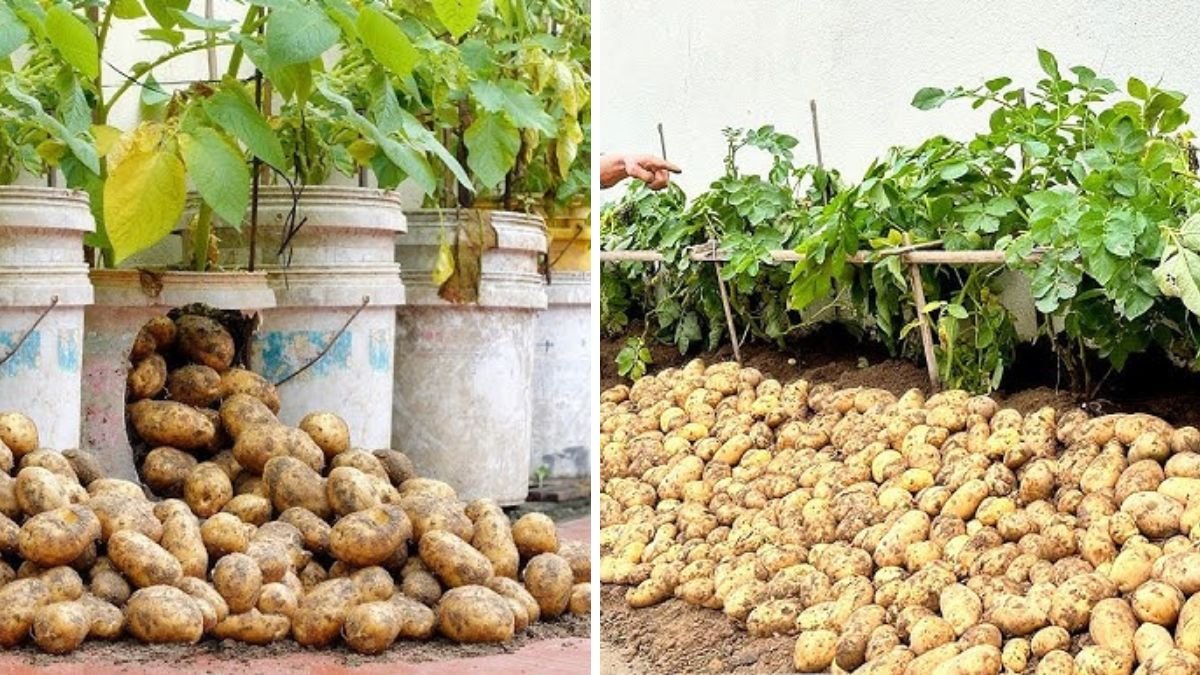
🌱 Introduction: Why Potato Farming Is Easier Than You Think
Potatoes are one of the most widely grown and consumed vegetables worldwide. They’re versatile, nutritious, and profitable, making them a staple crop for many small- and large-scale farmers. Yet many people miss out on the potential of potato farming simply because they underestimate how easy it can be. That’s why beginners often exclaim: “Growing potatoes is so easy—why didn’t I know it earlier?”
Recent trends in India show the growing popularity of potato cultivation, especially in states like Uttar Pradesh, where sowing areas are expanding rapidly due to high demand and lucrative market prices. (Amar Ujala)
This guide will walk you through proven strategies to grow potatoes efficiently and maximize yield, making potato farming both simple and profitable.
🌾 Background: The Latest Trends in Potato Cultivation
India’s potato production continues to rise each year, with regions like Uttar Pradesh producing bumper crops. Interestingly, around 40% of potatoes remain in cold storage due to high production, highlighting the need for smart market planning alongside cultivation. (Amar Ujala)
The adoption of technology in potato farming has also increased. Modern tools such as soil sensors, precision irrigation, and satellite monitoring help farmers make informed decisions that boost yields and reduce labor costs. (Farmonaut)
🧠 1. Soil Preparation: The Foundation of High Yields
Potatoes thrive in well-drained, loose, and aerated soils like sandy loam with a pH between 5.5 and 6.7. Proper soil preparation can make a huge difference in yield.
- Soil Testing: Test your soil before planting to determine nutrient levels and deficiencies. Adjust using compost or fertilizers as needed.
- Loosening Soil: Deep plowing or tilling ensures roots can grow freely and tubers expand without restriction.
- Nutrient Management: Apply balanced fertilizers based on soil tests to provide essential nutrients like nitrogen, phosphorus, and potassium. (ICL Growingsolutions)
🧬 2. Choose the Right Seed Potatoes
High-quality seed potatoes are critical for disease-free, high-yield crops.
- Certified Seed: Always choose disease-free certified seeds from reputable suppliers.
- Variety Selection: Local varieties like Kufri Chandramukhi, Kufri Jyoti, and Kufri Bahar are popular in India for their high yield and disease resistance.
- Seed Size: Cut large tubers into pieces weighing 50–75 grams each, ensuring at least one healthy eye per piece. (KhetiBadiJankari)
📏 3. Planting Depth and Spacing
Correct planting ensures proper tuber development and avoids nutrient competition:
- Depth: Plant 3–4 inches deep.
- Spacing: 8–12 inches between plants and 24–30 inches between rows works well for most varieties.
- Orientation: Place seed pieces with the eyes facing upward to encourage faster sprouting.
Proper spacing improves airflow, reduces disease risk, and allows tubers to grow uniformly. (Farmonaut)
💧 4. Irrigation Management
Potatoes need consistent moisture, but overwatering can cause rot and disease.
- Water Requirements: During tuber formation, regular irrigation is essential.
- Irrigation Methods: Drip or sprinkler systems provide optimal moisture while conserving water.
- Soil Moisture Monitoring: Modern sensors can track soil moisture in real-time, preventing under- or overwatering. (Farmonaut)
🍃 5. Precision Farming and Technology
Modern farming tools can increase efficiency and yields:
- Soil Sensors: Track nutrient levels and water needs.
- Satellite Imagery: Detect stress, nutrient deficiencies, and pest outbreaks early.
- Mobile Advisory Services: Many startups provide crop-specific recommendations using data analytics.
Even small-scale farmers can now leverage these tools to achieve higher yields with less guesswork. (Farmonaut)
🐛 6. Pest and Disease Management
Potatoes are prone to pests like aphids, leaf miners, and tuber rot:
- Crop Rotation: Avoid planting potatoes in the same field consecutively.
- Resistant Varieties: Choose varieties less susceptible to blight and viral infections.
- Monitoring: Regularly inspect plants for early signs of disease or pest damage.
- Integrated Management: Combine cultural, biological, and chemical methods responsibly. (Farmonaut)
🌾 7. Harvesting and Storage
Harvesting at the right time ensures maximum yield and tuber quality:
- Maturity Indicators: Harvest when the foliage dies back and skins are firm.
- Gentle Handling: Use proper tools to avoid bruising.
- Storage: Store in cool, ventilated areas or cold storage to extend shelf life.
Indian farmers using these techniques have reported up to 40% more production with reduced water consumption. (ABP Live)
🌟 Real-Life Success Stories
- Bumper Crops in Uttar Pradesh: Farmers combining drip irrigation and correct spacing have seen a significant yield increase.
- Black Potato Cultivation: Some small-scale farmers report yields of 100 quintals per acre, providing quick returns. (The Better India)
These examples show that with proper techniques, high-yield potato farming is accessible to all levels of growers.
📌 Authoritative Sources for Further Reading
- ICL Agriculture Crop Nutrition Guide – Expert advice on fertilizers and soil management. (icl-growingsolutions.com)
- India’s Potato Variety Guide – Helps choose varieties suitable for high yield. (KhetiBadiJankari)
- Farmonaut Advisory Reports – Insights on precision irrigation, satellite monitoring, and yield optimization. (Farmonaut)
📌 Conclusion
Potato cultivation doesn’t have to be complicated. By selecting the right seed varieties, preparing your soil properly, implementing smart irrigation, using modern farming tools, and monitoring pest management, anyone can achieve high yields.
Whether you’re a beginner or an experienced farmer, applying these methods ensures your potato farming venture is profitable and sustainable. Soon, you’ll be able to say: “Growing potatoes is so easy—why didn’t I know it earlier?”
[FOCUS KEYWORD] should be incorporated naturally throughout headings, content, and image alt tags to improve your site’s SEO visibility for high-yield potato cultivation topics.