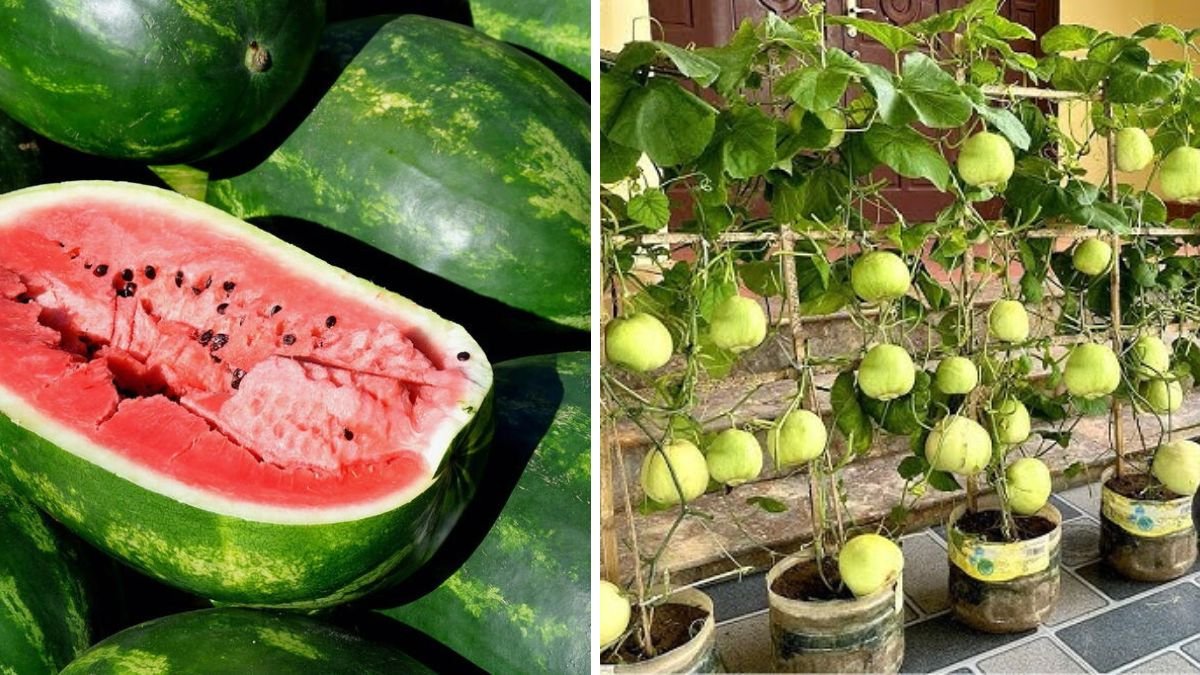
Introduction: A Melon That Defies Expectations
Gardeners around the world are buzzing about a so-called “strange” melon that produces tons of fruit when planted. Unlike traditional melon plants that yield only a handful of fruits per vine, these unusual or specialty melons seem to thrive beyond expectations, producing dozens of crisp, sweet, and market-ready fruits in a single growing season.
While the term “strange” may sound mysterious, the truth behind these prolific melons is rooted in plant genetics, smart cultivation techniques, and improved growing practices. From home gardeners with small spaces to commercial growers looking to maximize yields, high-fruiting melon varieties are gaining serious attention.
This article explores what makes these melons so productive, how you can grow them successfully, and why they are becoming a breakthrough choice for gardeners worldwide.
Background: Why Some Melons Produce More Fruit
Melons belong to the Cucumis melo family, which includes cantaloupe, honeydew, muskmelon, and many specialty hybrids. Traditionally, melon vines were bred to produce larger fruits but fewer in number. However, modern breeding and improved growing knowledge have shifted the focus toward high-yield and efficiency.
These “strange” melons are not genetically modified. Instead, they are often:
- Hybrid cultivars bred for heavy fruiting
- Compact or semi-vining plants that channel energy into fruit production
- Improved varieties selected for faster flowering and pollination
In ideal conditions, these melons can produce two to three times more fruit than standard varieties, making them appear almost unbelievable to first-time growers.
What Makes a Strange Melon Produce Tons of Fruit?
1. Advanced Plant Genetics
The most important factor behind high-yield melons is selective breeding. Plant breeders have spent decades crossing melon varieties to enhance traits such as:
- Multiple female flowers per vine
- Faster fruit set
- Resistance to common diseases
- Consistent fruit size
Instead of investing energy into growing massive vines, these melons focus on fruit development, allowing a single plant to support many melons at once.
2. Strong Flower Production and Pollination
One reason these melons appear so productive is their high flower-to-fruit conversion rate. Traditional melons may produce many flowers but only set a few fruits. High-yield varieties, however, are bred to convert more flowers into mature fruit.
Healthy pollination is essential. Bees and other pollinators play a crucial role in ensuring that each flower develops properly. When pollination conditions are optimal, fruit numbers can increase dramatically.
3. Efficient Nutrient Use
Strange high-yield melons are often more efficient at absorbing nutrients from the soil. They respond exceptionally well to:
- Compost-rich soil
- Balanced organic fertilizers
- Consistent moisture
Because nutrients are used efficiently, the plant can support more fruit without becoming stressed.
Popular High-Yield and “Strange” Melon Types
Several melon varieties are known for producing unusually large harvests:
Personal-Size Hybrid Melons
These melons are smaller in size but grow in abundance. A single vine can produce 10–20 fruits, making them perfect for home gardens.
Specialty Asian and Tropical Melons
Certain Asian melon varieties are famous for their heavy fruiting habit, thin skins, and intense sweetness. They thrive in warm climates and grow rapidly.
Bush or Semi-Bush Melons
Unlike sprawling vines, bush melons stay compact while producing a surprisingly high number of fruits, making them ideal for small spaces.
How to Grow a Strange Melon for Maximum Yield
Choose the Right Location
Melons need full sun, ideally 6–8 hours daily. A sunny location encourages strong flowering and rapid fruit development.
Prepare Nutrient-Rich Soil
For heavy fruiting, soil quality matters. Use:
- Well-drained loamy soil
- Compost or aged manure
- Organic matter to improve moisture retention
Healthy soil supports the plant’s ability to sustain multiple fruits at once.
Water Consistently, Not Excessively
Water deeply but avoid waterlogging. Uneven watering can reduce fruit set and sweetness. Once fruits start forming, consistent moisture helps prevent stress and improves yield.
Encourage Pollinators
Plant flowers nearby to attract bees and beneficial insects. Without proper pollination, even the best melon variety will fail to reach its full potential.
Prune and Manage Vines
Light pruning can help redirect energy from excessive leaf growth to fruit production. Removing weak or overcrowded vines allows the plant to focus on producing high-quality melons.
Why These Melons Are Becoming So Popular
High Productivity in Small Spaces
With urban gardening on the rise, people want crops that produce more in limited space. High-yield melons fit this demand perfectly.
Better Return for Home and Market Growers
For market gardeners, more fruits per plant means higher profitability without increasing land usage.
Consistent Quality and Taste
Despite producing many fruits, these melons often maintain excellent flavor, crisp texture, and sweetness, making them a favorite among growers and consumers alike.
Common Myths About High-Yield Melons
Myth 1: More fruit means lower quality
In reality, proper nutrition and care allow the plant to support both quantity and quality.
Myth 2: These melons are genetically modified
Most are simply hybrid varieties, created through traditional breeding methods.
Myth 3: They are difficult to grow
Many high-yield melons are actually easier to grow due to disease resistance and strong growth habits.
Harvesting Tips for Heavy-Fruiting Melons
- Harvest when aroma is strong and fruit detaches easily
- Avoid leaving ripe fruit on the vine too long
- Regular harvesting encourages continued production
Frequent harvesting helps the plant redirect energy into new fruit development.
Authoritative Sources for Further Reading
To learn more about melon cultivation and high-yield varieties, consult these trusted sources:
- University agricultural extension services
- Seed company variety guides
- Horticulture research publications
- Plant breeding and crop science journals
These sources provide science-based insights into melon productivity and best growing practices.
Conclusion: Strange, or Just Smart Gardening?
The so-called strange melon that produces tons of fruit when planted is not a mystery after all. It is the result of careful breeding, smart gardening techniques, and optimal growing conditions. When the right variety meets the right environment, the results can seem almost unbelievable.
For gardeners seeking higher yields, better efficiency, and delicious harvests, these melons represent the future of productive home gardening. With proper care, you too can enjoy vines overflowing with sweet, crisp fruit—and wonder why you didn’t try them sooner.