Introduction
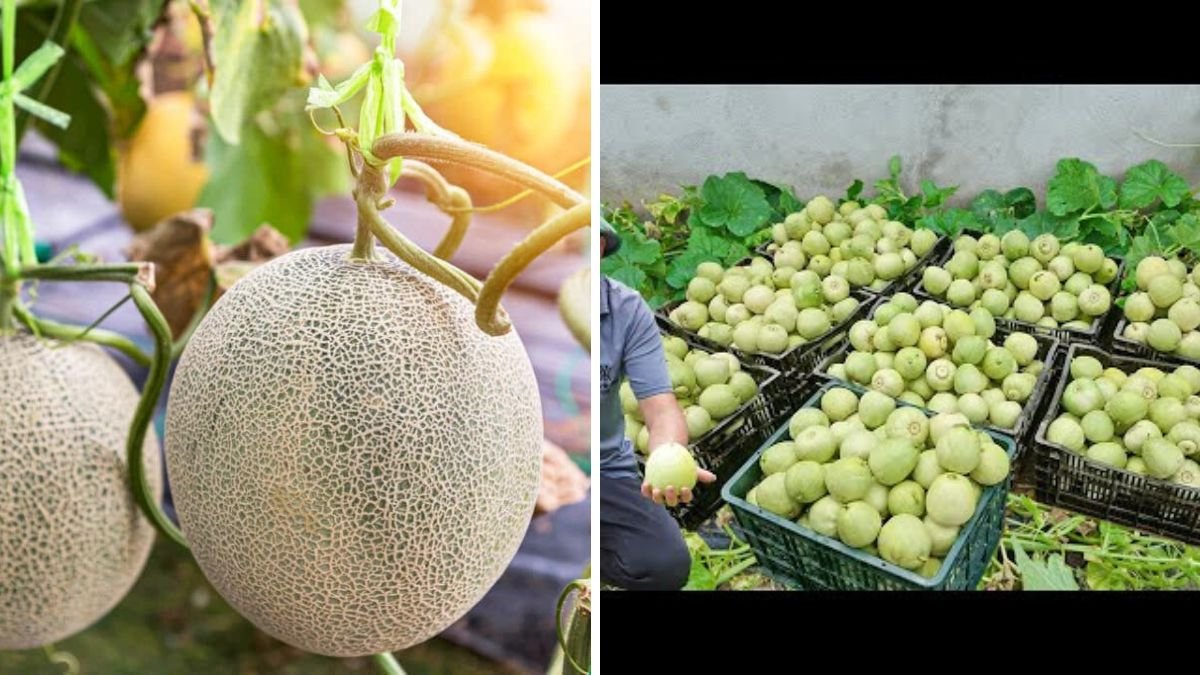
Melons are one of the most rewarding fruits to grow, yet many gardeners and farmers struggle to achieve large fruit size, consistent sweetness, and high yields. While traditional practices can produce acceptable results, a growing number of experts and growers are now turning to a little-known method of growing melons that dramatically improves fruit size, texture, and sugar content. This approach combines modern soil management, smart plant training, and precise water control to unlock the full genetic potential of melon plants.
Across farming communities and home gardens alike, growers report being genuinely shocked by how much better their melons perform when these techniques are applied correctly. Larger fruits, crisp flesh, and intense sweetness are no longer reserved for commercial farms alone.
Background: Why Traditional Melon Growing Often Falls Short
Melons are heavy feeders with specific environmental needs. Many growers unknowingly limit their harvest potential by planting in compacted soil, watering inconsistently, or allowing vines to grow without direction. These common mistakes can result in small fruits, bland flavor, and increased disease pressure.
In recent years, agricultural research and farmer experimentation have revealed that melon plants respond exceptionally well to controlled growing environments, even in open fields. Techniques once considered unnecessary or experimental are now proving to be the difference between average melons and truly premium fruit.
The Little-Known Method Explained
The breakthrough in growing melons lies not in a single trick, but in a combined system that works with the plant’s natural growth habits rather than against them. This system focuses on four main pillars:
- Soil insulation and moisture control
- Strategic vine management
- Targeted nutrition and watering
- Proper fruit load management
When these elements are balanced, melon plants shift their energy toward fewer but much larger and sweeter fruits.
Mulching: The Foundation of Bigger Melons
Mulching is one of the most overlooked yet powerful tools in melon cultivation. By covering the soil with organic matter or agricultural plastic, growers create a stable root environment that promotes faster growth and better fruit development.
Benefits of Mulching for Melons
- Maintains consistent soil moisture
- Prevents nutrient loss from evaporation
- Regulates soil temperature
- Reduces weed competition
- Protects fruits from soil contact
Melon plants grown on mulched beds develop stronger root systems, which allows them to absorb nutrients more efficiently. This directly translates into larger fruit size and improved sweetness.
Plastic mulch, in particular, has shown impressive results in warm climates by increasing early-season soil temperature and accelerating vine growth.
Vertical and Guided Growth: A Game-Changer
One of the most surprising discoveries for many growers is how well melons respond to guided or semi-vertical growth systems. While traditionally grown sprawling across the ground, melons can thrive when vines are trained along rows or trellises.
Why Guided Growth Works
- Improves airflow around vines and leaves
- Reduces fungal disease pressure
- Increases sunlight exposure
- Keeps fruit clean and evenly shaped
- Makes pest monitoring easier
When melons are supported properly, plants remain healthier for longer periods, allowing fruits to reach their maximum size without stress.
For larger melon varieties, simple fabric slings or netting can be used to support developing fruits, preventing vine damage while encouraging uniform growth.
Hybrid Varieties and Seed Selection
Even the best growing method cannot overcome poor genetics. Choosing the right melon variety is essential when aiming for large, sweet fruits.
Modern hybrid melon seeds are bred for:
- Higher sugar content
- Uniform fruit size
- Improved disease resistance
- Strong vine vigor
Growers using hybrid varieties alongside advanced growing techniques often report noticeably thicker flesh, better texture, and longer shelf life.
While traditional open-pollinated varieties still have value, hybrids tend to respond more dramatically to optimized growing conditions.
Precision Watering: The Sweetness Secret
Water management plays a critical role in melon quality. Too much water at the wrong time can dilute sugars, while too little can stunt fruit growth.
Smart Watering Strategy
- Maintain steady moisture during vine and fruit development
- Reduce watering slightly as fruits approach maturity
- Avoid wetting leaves to prevent disease
- Use drip irrigation or soaker hoses for consistency
By reducing water near harvest time, the plant naturally concentrates sugars within the fruit, leading to noticeably sweeter melons.
Nutrient Timing for Maximum Fruit Size
Melons require balanced nutrition, but timing is everything. Overfeeding nitrogen late in the season encourages leaf growth at the expense of fruit development.
Ideal Nutrient Approach
- Nitrogen early for vine growth
- Phosphorus for root and flower development
- Potassium during fruit enlargement and ripening
Organic compost, well-aged manure, and balanced fertilizers all work well when applied correctly. Many successful growers also incorporate micronutrients such as magnesium and calcium to improve fruit firmness and flavor.
Pruning: Less Fruit, Bigger Results
Another little-known technique involves selective pruning. While it may feel counterintuitive, limiting the number of fruits per plant significantly increases the size and quality of each melon.
Pruning Best Practices
- Remove weak or overcrowded vines
- Limit each plant to 3–5 fruits, depending on variety
- Remove excess flowers once fruit sets
This allows the plant to direct its energy toward fewer fruits, resulting in impressive size and enhanced sweetness.
Harvest Timing Makes All the Difference
No growing method can compensate for harvesting melons too early. Proper ripeness is essential for full flavor development.
Common signs of readiness include:
- Dull or deepened skin color
- Sweet aroma near the stem
- Drying tendrils close to the fruit
- Easy separation from the vine
Harvesting at the correct time ensures maximum sugar content and peak eating quality.
Results Growers Are Seeing
Growers who adopt this integrated method consistently report:
- Larger melons with uniform shape
- Increased yield per plant
- Higher sugar levels and better taste
- Reduced disease and pest issues
- More efficient use of space and water
These results explain why this once little-known method is rapidly gaining attention among both commercial farmers and serious home gardeners.
Authoritative Sources for Further Learning
To expand your knowledge and refine your techniques, consider exploring resources from:
- Agricultural university extension services
- Horticultural research journals
- National gardening and farming organizations
- Professional seed suppliers and breeders
These sources provide region-specific guidance, variety recommendations, and research-backed insights into advanced melon cultivation.
Conclusion
Being shocked by the results of a little-known method of growing melons is becoming increasingly common. By combining mulching, guided vine growth, precise watering, strategic pruning, and high-quality seed selection, growers can consistently produce large, sweet, and high-quality melons.
This approach does not require expensive equipment or advanced technology—only smarter decisions and better timing. Whether you are growing melons commercially or in a backyard garden, applying these techniques can transform your harvest and elevate the quality of your fruit beyond expectations.