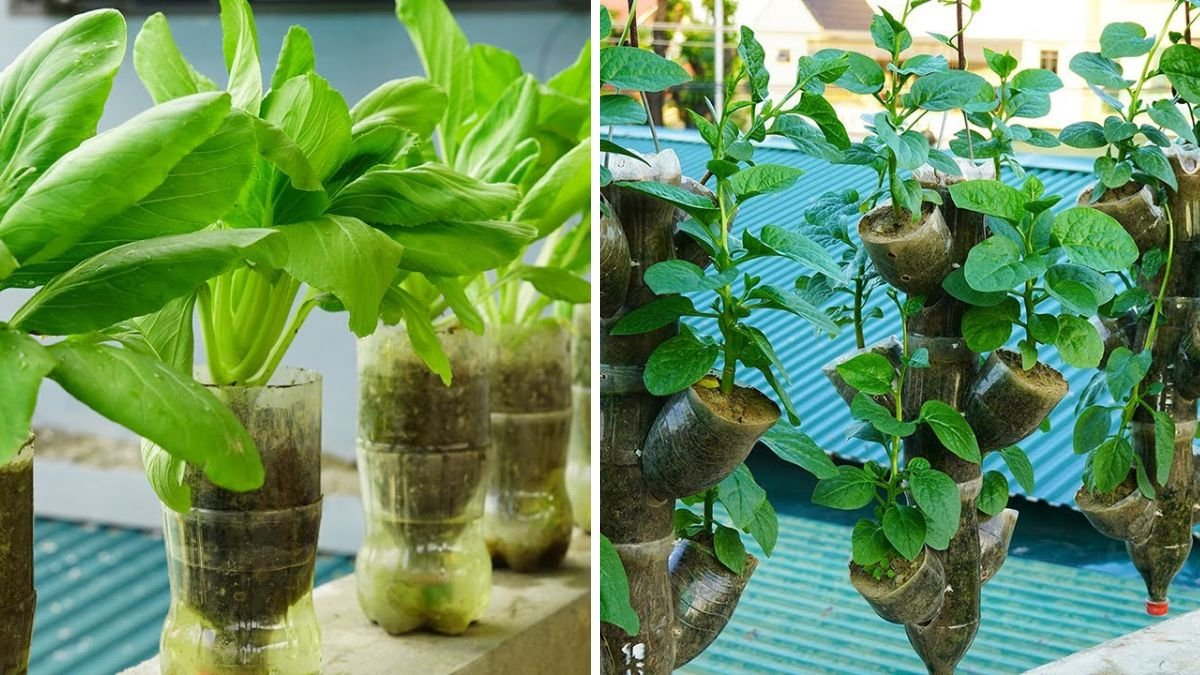
Growing fresh green vegetables at home has become more than a hobby—it’s a lifestyle shift toward sustainability, health, and self-reliance. One of the most creative and budget-friendly ways to do this is by using plastic bottles. Instead of discarding them as waste, plastic bottles can be transformed into productive mini gardens that deliver a steady supply of fresh greens right at home. This simple technique is gaining popularity worldwide, especially among urban gardeners with limited space.
Plastic bottle gardening is ideal for balconies, rooftops, windowsills, and even indoor spaces with sufficient light. It proves that you don’t need a traditional garden or expensive equipment to grow your own food. With a little creativity and care, plastic bottles can support healthy plant growth while reducing environmental waste.
The main appeal of growing vegetables in plastic bottles lies in its accessibility. Almost everyone has plastic bottles at home, making this method extremely cost-effective. Instead of purchasing pots or containers, reused bottles serve the same purpose while helping reduce plastic pollution. This approach is especially useful in cities where space is scarce and gardening options are limited.
Another advantage is flexibility. Plastic bottles can be placed vertically, horizontally, or hung, allowing gardeners to maximize available space. Vertical bottle gardens are particularly popular because they allow dozens of plants to grow in a small area. This makes the method perfect for apartments and small homes where traditional gardening is not possible.
The types of vegetables that thrive in plastic bottles are mostly fast-growing, shallow-rooted plants. Leafy greens such as lettuce, spinach, arugula, mustard greens, and bok choy grow exceptionally well. Herbs like basil, mint, coriander, parsley, and chives are also ideal choices. These plants don’t require deep soil and can be harvested multiple times, making them perfect for continuous home production.
Setting up a plastic bottle garden is simple and beginner-friendly. Start by collecting clean plastic bottles, preferably one to two liters in size. Remove labels and wash them thoroughly to eliminate any residue. Depending on your planting style, bottles can be cut horizontally to create open planters or vertically for deeper root growth. Small drainage holes should be added near the bottom to prevent waterlogging, which is essential for healthy roots.
Once the bottles are prepared, the next step is soil preparation. A lightweight, nutrient-rich soil mix works best. A combination of garden soil, compost, and coco peat or sand ensures good drainage while retaining moisture. Compost provides essential nutrients, helping plants grow faster and healthier. Filling the bottle loosely rather than compacting the soil allows roots to spread easily.
Seeds or seedlings can then be planted according to the vegetable type. Leafy greens typically require shallow planting, while herbs can be slightly deeper. After planting, water gently to moisten the soil without washing away seeds. Consistent moisture is crucial during the early growth stages, especially in bottle gardens where soil volume is limited.
Placement plays a critical role in the success of plastic bottle gardening. Most green vegetables require at least five to six hours of sunlight daily. Bottles can be placed near windows, on balconies, or mounted on walls that receive good sunlight. For indoor setups, placing bottles near bright windows or under grow lights can yield excellent results.
Watering is one area where bottle gardens require special attention. Because plastic containers retain heat and have limited soil, they tend to dry out faster than traditional garden beds. Regular monitoring is essential. Watering in the early morning helps reduce evaporation and keeps plants hydrated throughout the day. Self-watering bottle systems can also be created by inverting part of the bottle to slowly release water into the soil, ensuring consistent moisture.
Maintenance is minimal but important. Regularly removing yellow or damaged leaves encourages new growth and prevents disease. Adding organic liquid fertilizer or compost tea every two weeks replenishes nutrients that may leach out during watering. Since bottle gardens are small, nutrients get used up quickly, so light but frequent feeding is beneficial.
One of the most rewarding aspects of growing vegetables in plastic bottles is harvesting. Leafy greens can often be harvested within three to six weeks. Instead of uprooting the plant, cutting outer leaves allows the plant to continue growing and producing more leaves. This “cut-and-come-again” method provides a continuous supply of fresh greens for weeks or even months.
Herbs respond particularly well to regular harvesting. Trimming them encourages bushier growth and stronger flavors. With proper care, a single bottle of herbs can supply fresh seasoning for an entire household. This not only saves money but also enhances the taste and nutrition of home-cooked meals.
Plastic bottle gardening also promotes environmental responsibility. By reusing plastic containers, gardeners actively reduce waste and minimize their ecological footprint. This method teaches valuable lessons about sustainability, recycling, and mindful consumption—especially for children and beginners learning about food production for the first time.
Creative designs further enhance the appeal of bottle gardening. Vertical walls of greenery, hanging bottle chains, and tiered bottle racks can transform dull spaces into vibrant green corners. These setups are not only functional but also visually pleasing, adding natural beauty to homes and apartments.
Despite its simplicity, plastic bottle gardening does come with challenges. Overheating can occur if bottles are exposed to intense sunlight for long periods. Using light-colored bottles, providing partial shade during peak heat, or insulating bottles with cloth can help prevent root stress. Pest control is usually minimal, but occasional aphids or insects can be managed with natural remedies like neem oil or soap sprays.
As more people seek healthier lifestyles and sustainable solutions, plastic bottle gardening continues to grow in popularity. It empowers individuals to take control of their food supply, even in the smallest of spaces. The ability to harvest fresh, chemical-free vegetables at home builds confidence and encourages long-term gardening habits.
In conclusion, growing fresh green vegetables using plastic bottles is an innovative, eco-friendly, and highly practical solution for modern living. It proves that gardening doesn’t require land, wealth, or experience—just creativity and care. By turning waste into opportunity, plastic bottle gardening offers a simple path toward healthier eating, environmental responsibility, and the joy of growing your own food at home.