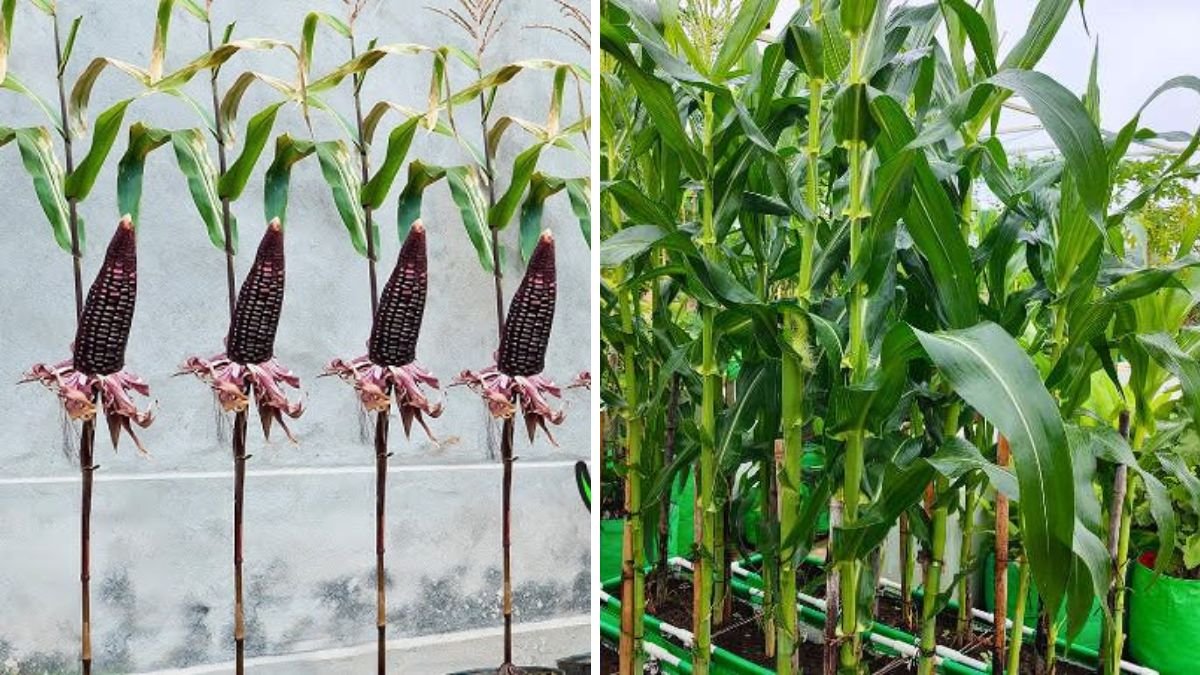
Introduction
Growing your own corn at home can be one of the most rewarding gardening experiences, especially for first-timers. Many gardeners report yields far exceeding expectations — sometimes even three times more than anticipated. This success isn’t pure luck; it comes from understanding how corn grows, preparing the soil, providing proper nutrition, and supporting pollination.
In this guide, we explore proven techniques, practical tips, and expert insights to help home gardeners maximize corn yield while enjoying the satisfaction of fresh, sweet, homegrown corn. Whether you have a small backyard or a raised bed, this guide is tailored to help you achieve remarkable results with your first corn crop.
Why Growing Corn at Home Is Worth It
Corn (Zea mays) is a staple crop worldwide, valued for its sweet, fresh flavor and versatility in cooking. Growing it at home offers several advantages:
- Freshness and taste: You control the growing process, ensuring sweet, pesticide-free corn.
- Learning experience: Corn teaches first-time gardeners about plant care, pollination, and seasonal timing.
- Higher potential yields: With proper planting and care, home gardeners can sometimes harvest three times more corn than expected.
Unlike store-bought corn, homegrown corn allows experimentation with varieties, spacing, and organic methods, often resulting in surprisingly abundant harvests.
Preparing to Grow Corn
Timing and Soil
Corn is a warm-season crop that thrives when soil and air temperatures are consistently warm. Planting too early in cold soil can stunt germination. Wait until soil temperatures reach at least 60°F (15–16°C) before sowing directly outdoors.
Corn prefers well-drained, fertile soil rich in organic matter. Heavy clay or compacted soil can restrict root growth and reduce ear size. Amending soil with compost or aged manure before planting ensures healthy roots and better yields.
Choosing the Right Spot
Corn needs full sun, at least 6–8 hours per day. Planting in a shaded area can weaken stalks and reduce ear development. A sunny location also encourages faster growth and better pollination.
Planting Techniques That Maximize Yield
Block Planting for Effective Pollination
Corn relies on wind pollination, so planting in blocks rather than single long rows ensures that pollen efficiently reaches the silks of neighboring plants. Blocks improve kernel formation, leading to full, healthy ears.
Spacing Recommendations
Home gardens can plant corn in blocks of 4-5 short rows, with 2–3 feet between rows. Proper spacing provides air circulation, reduces disease risk, and improves pollination efficiency. Overcrowding, however, can stress plants and limit yields.
Using Raised Beds
Raised beds or compact plots are ideal for home gardeners. They improve drainage, soil warmth, and accessibility for watering and fertilization. Properly prepared raised beds can support multiple corn blocks, increasing overall harvests.
Nutrition and Watering
Fertilization
Corn is a heavy feeder, requiring nutrients for strong stalk growth and ear development.
- Mix compost or manure into the soil before planting.
- Apply a balanced slow-release fertilizer at planting.
- Side-dress with nitrogen-rich fertilizer when plants are 12 inches tall and again during tasseling to support robust growth and larger ears.
Watering
Corn requires consistent moisture, especially during pollination and ear-filling stages. Aim for 1 to 1.5 inches of water per week, adjusting for rainfall. Mulching helps retain soil moisture and reduces weed competition, ensuring plants focus energy on growth and fruit production.
Pollination and Ear Development
Successful corn production depends on effective pollination.
- Each tassel produces pollen that must reach the silks of female flowers.
- Plant in blocks to increase pollen transfer efficiency.
- Hand-shaking or gently tapping stalks can help disperse pollen for first-time gardeners.
Poor pollination often results in ears with missing kernels. Proper timing and planting techniques help avoid this issue and maximize harvest potential.
Tips from First-Time Home Gardeners
First-time growers often report unexpected abundance with these strategies:
- Proper spacing and block planting ensure full ear development.
- Consistent watering and fertilization promote healthy stalks and robust ears.
- Hand pollination when needed guarantees better kernel formation.
- Monitoring pests and disease early prevents yield losses.
Some gardeners have reported planting just 10-15 seedlings and harvesting 2-3 times more ears than expected, thanks to careful attention to soil, spacing, and pollination.
Common Challenges and How to Overcome Them
Incomplete Pollination
Without adequate wind or pollination, ears can develop unevenly. Using block planting and occasionally shaking plants during peak pollen production improves kernel filling.
Pests
Corn earworms, aphids, and other pests can affect yields. Companion planting with marigolds or aromatic herbs, or using organic insecticides when necessary, can protect the crop.
Weather Constraints
Extreme heat, drought, or heavy rain can affect corn growth. Proper irrigation, mulching, and soil preparation help mitigate environmental risks, ensuring healthy plants and productive harvests.
Advanced Tips for Bigger Yields
- Soil testing before planting allows precise fertilization.
- Early weed control prevents nutrient competition.
- Variety selection: Plant early, mid-season, and late varieties for staggered harvests.
- Support structures: Corn can benefit from stakes in windy areas to prevent lodging.
- Regular monitoring: Check for nutrient deficiencies and adjust fertilization accordingly.
These practices increase yield potential and contribute to the “three times more” results that first-time growers often report.
Suggested Authoritative Sources
- Iowa State Extension – Growing Sweet Corn at Home: Guidelines on planting, spacing, and pollination. (link)
- Harvest to Table – When and Where to Plant Sweet Corn: Regional planting advice and soil preparation tips. (link)
- Fine Gardening – Growing Corn in Small Spaces: Tips for urban and backyard gardens. (link)
- Plantura – Corn Plant Care & Fertilization: Detailed nutrient and watering guidance. (link)
Conclusion
Growing corn at home for the first time can exceed expectations. With proper soil preparation, block planting, consistent watering, fertilization, and careful pollination, even small backyard gardens can produce bountiful harvests — sometimes three times what a first-time gardener might anticipate.
By following these strategies, monitoring plant health, and applying lessons from experienced growers, you can enjoy the satisfaction of homegrown, sweet, and abundant corn right from your own garden. Start small, plan carefully, and watch your first corn crop turn into an unexpectedly fruitful success! 🌽