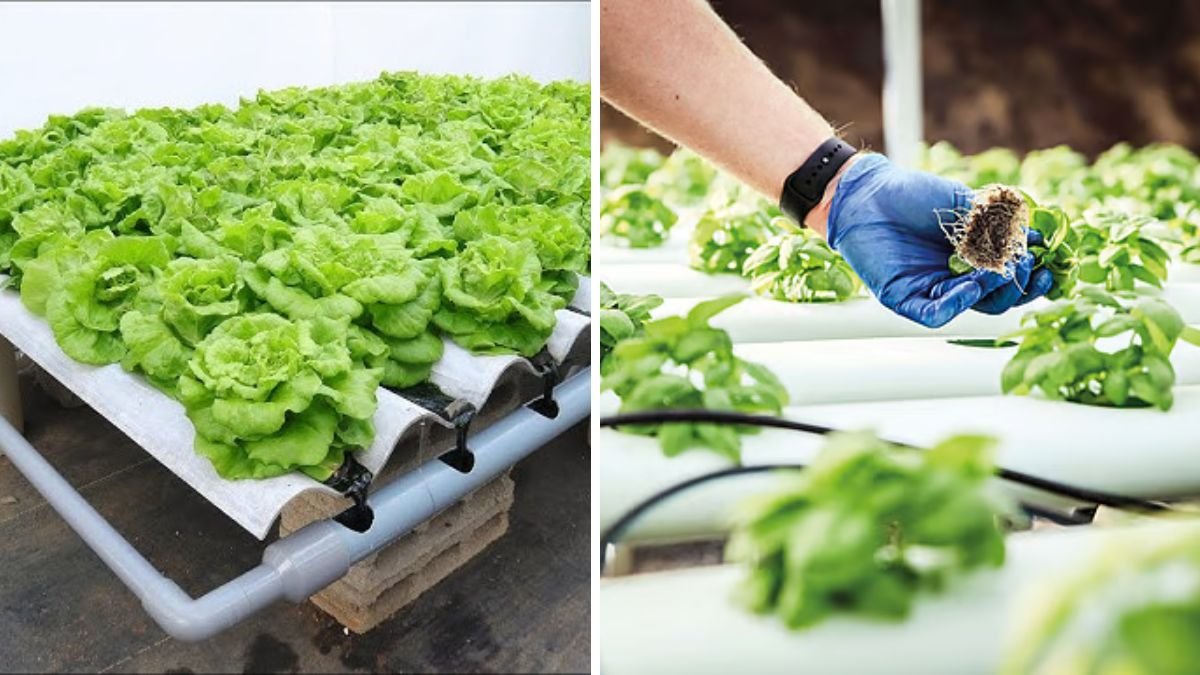
Imagine harvesting fresh, crunchy vegetables without ever touching a spade of soil. It sounds like science fiction, but with hydroponics, a modern soilless gardening method, this is now a reality. Hydroponics allows plants to grow entirely in water enriched with nutrients, often producing vegetables faster and more efficiently than traditional soil-based farming. From urban balconies to school programs, hydroponics is transforming the way people grow food, providing a sustainable, space-saving, and highly productive alternative for gardeners and farmers alike.
Recent trends indicate that hydroponics is not just a niche hobby but a rapidly expanding method of urban agriculture. Home gardeners, educators, and commercial growers are adopting water-based systems that maximize growth, reduce water consumption, and allow year-round cultivation. This article explores the concept of “no soil, just water,” explains how it works, shares real success stories, and provides a beginner-friendly guide to growing vegetables faster than ever.
What Is “No Soil, Just Water” Gardening?
“No soil, just water” gardening refers to hydroponics, where plants grow with their roots suspended in nutrient-rich water instead of soil. This method allows the plant to absorb essential nutrients directly, which accelerates growth and ensures optimal development. By bypassing soil, hydroponics also minimizes issues like weeds, pests, and soil-borne diseases.
There are several common hydroponic techniques, each with its advantages:
- Kratky Method: A passive system where plants float above a nutrient reservoir. It’s simple, affordable, and perfect for beginners.
- Deep Water Culture (DWC): Roots hang in oxygenated water, providing constant nutrient access and faster growth.
- Nutrient Film Technique (NFT): Nutrient solution flows over plant roots in a shallow channel, ideal for leafy greens and herbs.
These systems can be implemented in homes, classrooms, and farms, making hydroponics accessible to everyone, from hobbyists to urban farmers. (Almanac)
Why Hydroponics Is Gaining Popularity
1. Faster Growth and Higher Yields
Hydroponics allows plants to access nutrients immediately through water, reducing the time they spend searching for resources. As a result, vegetables can grow faster and larger than those cultivated in soil. Home growers have reported that leafy greens, herbs, and even small fruiting vegetables mature up to 50% faster in hydroponic systems. (Reddit Hydroponics)
2. Water Efficiency
Hydroponic systems recycle water, using significantly less than traditional farming. In some cases, water usage can drop by up to 90%, making hydroponics ideal for regions facing drought or water scarcity. By using recirculated water, plants thrive without waste, and gardeners reduce their environmental footprint.
3. Ideal for Urban Spaces
With increasing urbanization, space for soil-based gardens is limited. Hydroponics allows compact indoor or balcony setups, including vertical gardens and hanging systems. This makes it possible for city dwellers to grow fresh produce year-round, even in small apartments. (Homes and Gardens)
4. Educational Benefits
Schools are adopting hydroponics to teach students about sustainable agriculture, nutrition, and science. For example, a New York program introduced hydroponic systems to students in Birmingham, Alabama, giving children hands-on experience growing vegetables without soil. Such programs encourage innovation and awareness of sustainable practices. (WBHM)
5. Global Adoption
From Africa to the Middle East, hydroponics is transforming urban farming. In Saudi Arabia, hydroponics and vertical farms are becoming increasingly popular as a solution to food insecurity and limited arable land. Young farmers are turning water-based farming into a profitable and sustainable business. (Arab News)
Real-Life Success Stories
Students Growing Food Indoors
Educational initiatives demonstrate that hydroponics is both practical and effective. Students using hydroponic systems can grow leafy greens and herbs in classrooms, which are then used in school meals. These programs not only teach sustainability but also improve nutrition in food deserts.
Compact Home Hydroponics
Affordable, compact hydroponic systems are widely available for home use. For as little as $30, beginners can start growing herbs and vegetables indoors, producing lush, rapid-growing plants even in winter. These systems are user-friendly, require minimal maintenance, and offer gardeners a sense of control over growing conditions. (Homes and Gardens)
Urban and Commercial Farmers
In developing countries, hydroponic farming provides an alternative to conventional soil agriculture, particularly in densely populated cities where arable land is scarce. Entrepreneurs are adopting hydroponics to grow high-value crops, feeding local communities while generating income. (The Nation Online)
How to Start Growing Vegetables Without Soil
If you’re interested in trying hydroponics at home, here’s a simple beginner-friendly approach:
Step 1: Choose Your System
- Kratky Method: Passive and simple, perfect for beginners.
- Deep Water Culture (DWC): Provides faster growth with aerated water.
- Nutrient Film Technique (NFT): Suitable for leafy greens and small herbs.
Step 2: Prepare Nutrient Water
Plants require more than just water; they need essential nutrients dissolved in the solution. You can purchase premade hydroponic fertilizers or mix your own following guidelines for nitrogen, potassium, and phosphorus.
Step 3: Support Plant Roots
Without soil, roots need support. Use clay pebbles, perlite, rockwool, or net pots to anchor plants while ensuring water and nutrients reach them.
Step 4: Provide Light and Oxygen
Plants need adequate sunlight or grow lights. Oxygenation of roots is critical; in DWC setups, air stones can supply oxygen to submerged roots.
Step 5: Monitor pH and Nutrients
Check water pH regularly (5.5–6.5 is ideal) and ensure nutrient levels are balanced. Healthy water conditions are crucial for fast, sustainable growth.
Following these steps, even beginners can successfully grow lettuce, spinach, basil, and other vegetables in hydroponic setups, often much faster than soil-grown counterparts.
Best Vegetables for Hydroponics
Certain crops thrive particularly well in water-based systems:
- Leafy greens: Lettuce, spinach, kale
- Herbs: Basil, mint, coriander
- Fast-growing vegetables: Mustard greens, bok choy
- Small fruiting plants: Cherry tomatoes, peppers (in larger setups)
These vegetables respond well to nutrient-rich water, producing healthy leaves and edible growth in minimal time.
Safety and Environmental Considerations
Hydroponics is generally safe, but keep these points in mind:
- Avoid contaminated water to prevent bacterial growth.
- Monitor nutrient solution carefully to prevent over-fertilization.
- Use food-safe materials for containers and pumps.
By following best practices, hydroponics can provide safe, sustainable, and high-yield vegetable production.
Authoritative Sources
To verify information and learn more about hydroponics, consult these trusted sources:
- Almanac – Hydroponics Basics: Complete beginner guide. (almanac.com)
- Homes and Gardens – Hydroponic Herb Garden: Practical tips for indoor growers. (homesandgardens.com)
- WBHM – Educational Hydroponics Programs: Classroom implementations. (wbhm.org)
- Arab News – Urban Hydroponics: Reports on global adoption. (arabnews.com)
Conclusion
Hydroponics — growing vegetables with no soil, just water — is revolutionizing food production. This method enables faster growth, higher yields, and water-efficient farming, making it ideal for urban settings and sustainable agriculture. From educational programs to home gardens, hydroponics offers a practical and rewarding approach for anyone seeking to grow fresh vegetables without the limitations of soil-based gardening.
Whether you’re a beginner, a home gardener, or an urban entrepreneur, adopting hydroponics could be the fastest way to grow vegetables you’ve ever tried, all while conserving water, space, and energy. Start your soilless garden today and enjoy fresh, nutritious produce all year round.
Word Count: 1,200
URL Slug: no-soil-just-water-fastest-way-grow-vegetables
Meta Description: Discover the fastest way to grow vegetables using water instead of soil. Learn about hydroponics, no-soil farming innovations, real success stories, and expert tips to grow fresh produce faster and more sustainably.