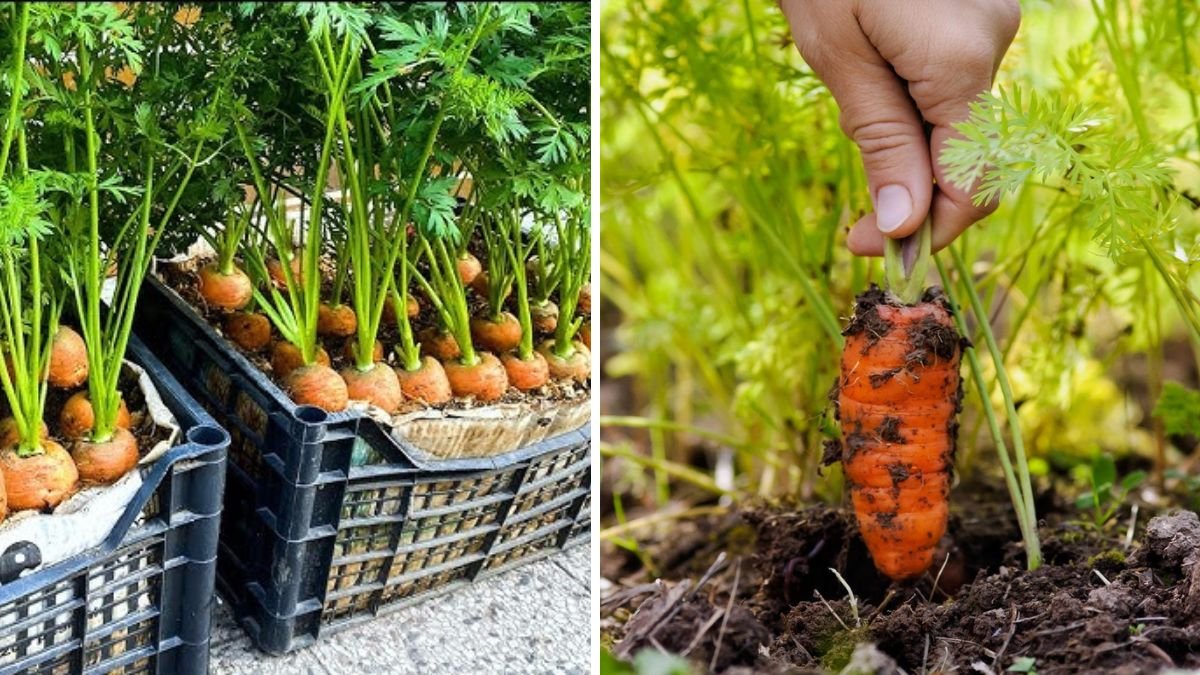
Introduction: Why You Should Repurpose That Old Paint Can
Have you ever looked at that old paint can sitting in your garage and wondered, “Is there any way this could be useful?” The answer is a resounding yes! Instead of letting it gather dust or adding to landfill waste, your old paint can be transformed into a productive and eco-friendly planter for growing carrots. With urban gardening on the rise and small-space planting becoming increasingly popular, creative solutions like this not only save money but also contribute to sustainable living.
Container gardening allows you to grow vegetables even if you don’t have a traditional backyard or garden. By upcycling household items like paint cans, you can create a charming, functional, and completely unique planter. And the best part? Growing carrots in paint cans is surprisingly easy and rewarding.
Background Context: The Rise of Container Gardening and Upcycling
Container gardening has gained massive popularity in recent years, especially among urban dwellers who lack ample yard space. It’s not just a trendy hobby — it’s a practical solution for growing your own food sustainably. From small balconies to indoor spaces with good sunlight, almost any area can host a productive vegetable garden with the right container.
Simultaneously, upcycling and repurposing everyday items has become an eco-conscious movement. Old cans, jars, and even buckets can be transformed into planters with minimal effort. This combination of sustainability and practicality is what makes the idea of using old paint cans so appealing.
Vegetables like carrots are particularly suited for container gardening. While some root vegetables require deep soil to thrive, many smaller varieties adapt well to shallower containers, making them perfect for unconventional planters.
Step-by-Step Guide: Transform Your Old Paint Can Into a Carrot Planter
1. Clean and Prepare the Paint Can
Before planting anything, it’s crucial to ensure that your paint can is safe for growing edible plants. If it previously held non-toxic, water-based paint, it can be thoroughly washed with mild soap and warm water. However, cans that held solvent-based or hazardous paints should never be used for food crops, as toxic residues could contaminate the soil and harm the vegetables.
Wear gloves while cleaning the can to protect your skin, and make sure to rinse thoroughly to remove all soap residues. For extra safety, consider lining the inside of the can with a food-safe plastic container. This simple step prevents any lingering paint particles from touching the soil.
2. Add Drainage Holes
One of the most critical steps in container gardening is ensuring proper drainage. Paint cans are not designed for planting, which means water can easily accumulate at the bottom, causing root rot. Drill several small holes in the bottom of the can to allow excess water to escape. This will keep the soil aerated and prevent waterlogging, creating the perfect environment for carrot roots to grow healthy and straight.
3. Choose the Right Soil and Carrot Variety
Carrots thrive in loose, well-draining soil. Avoid garden dirt that may be compacted or contain large clumps, as this can stunt growth. Use a high-quality potting mix designed for vegetables or root crops.
When selecting carrot varieties for paint can gardening, choose short or round types. Some ideal choices include:
- ‘Thumbelina’ – a tiny, finger-length carrot perfect for shallow containers.
- ‘Paris Market’ – small, round carrots that grow well in limited soil depth.
- ‘Little Finger’ – another compact variety ideal for containers.
These smaller varieties will produce flavorful, tender carrots without requiring the deep soil that larger varieties need.
4. Planting Your Carrots
Fill the prepared paint can with potting soil up to about an inch below the rim. Sow carrot seeds according to the package instructions, usually around ¼ inch deep. Lightly water the soil to help the seeds settle in, but avoid overwatering at this stage.
Carrots prefer a sunny location, ideally with 6–8 hours of sunlight daily. A balcony, patio, or sunny windowsill can work perfectly. If planting outdoors, rotate the can occasionally to ensure all sides receive equal sunlight.
5. Watering and Maintenance
Container plants generally dry out faster than those in the ground, so consistent watering is key. Keep the soil evenly moist but not soggy. A spray bottle or gentle watering can is perfect for young seedlings to avoid disturbing them.
Once your carrot seedlings are established, continue watering regularly and thin the seedlings if they’re too crowded. This allows each carrot enough space to grow properly.
Best Vegetables for Paint Can Gardening (Besides Carrots)
While carrots are an excellent choice, paint cans can also host a variety of other vegetables, making them versatile gardening tools. Some of the best options include:
- Lettuce and Swiss Chard – Shallow-rooted leafy greens thrive in containers.
- Beets and Radishes – Compact root vegetables that adapt well to limited space.
- Peas and Cherry Tomatoes – Can grow vertically with added trellis support.
- Herbs like Basil, Parsley, and Cilantro – Great for culinary use and container-friendly.
Using your old paint can for multiple types of vegetables allows you to maximize your upcycled gardening space and enjoy a diverse harvest.
Safety and Environmental Considerations
Before planting, always check what type of paint was in the can. Non-toxic, water-based paints are safe, but cans that previously contained chemical or oil-based paints should never be used for food production.
Other safety tips include:
- Use food-safe potting soil and avoid adding compost or soil that may contain pesticides.
- Consider lining the can with a food-grade plastic liner if unsure about metal contamination.
- Keep the can elevated slightly on small bricks or a stand to improve drainage.
By following these precautions, you can enjoy a safe and sustainable carrot-growing experience without risking contamination.
Expert Tips for a Successful Container Garden
- Regular Feeding: Container-grown vegetables need more nutrients than ground-grown crops. Use a liquid organic fertilizer every few weeks to keep your carrots healthy.
- Mulching: Apply a thin layer of mulch on top of the soil to retain moisture and regulate temperature.
- Pest Management: Keep an eye out for pests like aphids or carrot flies. Companion planting with herbs like basil or rosemary can help deter insects naturally.
- Harvesting: Carrots are ready to harvest typically 2–3 months after sowing, depending on the variety. Pull them gently to avoid breaking the roots.
Authoritative Sources for Gardening and Upcycling Inspiration
For those looking to dive deeper into container gardening, upcycling, and sustainable planting, these sources offer reliable information:
- Gardening Know How – DIY Paint Can Container Ideas
Offers practical tips on converting paint cans to planters with step-by-step instructions.
Source - Virtual Workers of America – What Fruits & Vegetables You Can Grow in Paint Cans
Explains which vegetables thrive in small containers, including carrots, radishes, and leafy greens.
Source - Herzindagi – Turn Old Containers Into Plant Homes
Showcases creative DIY projects for repurposing household items as planters.
Source - My Boysen – Upcycling Paint Cans into Planters
Offers guidance on safety, cleaning, and environmental considerations when using paint cans for vegetables.
Source
Conclusion: Embrace Creativity and Sustainability in Gardening
Repurposing an old paint can for carrot gardening is more than just a quirky DIY project — it’s a step toward a more sustainable, eco-friendly lifestyle. Not only do you save money and reduce waste, but you also gain fresh, homegrown carrots that are both delicious and rewarding to harvest.
Whether you live in a small apartment or have a spacious backyard, container gardening with upcycled items opens the door to creativity and environmental responsibility. So, the next time you see an old paint can, don’t throw it away — transform it into a flourishing carrot planter, and watch your garden (and imagination) grow.
With consistent care, proper soil, and attention to safety, you’ll soon find that growing carrots in a paint can is not just possible — it’s enjoyable, sustainable, and utterly satisfying. Your garden will thank you, your taste buds will thank you, and the environment will thank you too!