Introduction
Cucumbers are one of the most popular and versatile vegetables you can grow at home. Fresh cucumbers are crisp, hydrating, and perfect for salads, pickles, and even snacks. But many beginner gardeners struggle with growing cucumber plants from seeds to a successful harvest. It’s not just about sowing seeds—cucumbers require proper soil, water, sunlight, and care to produce healthy fruits.
Whether you have a backyard garden, a terrace, or even a balcony, growing cucumber babies (small seedlings) into full, fruitful plants is easier than you think. In this article, we’ll guide you step by step—from choosing the right seeds to harvesting your first juicy cucumbers.
Choosing the Right Cucumber Seeds
The first step in growing cucumbers is selecting the right seeds. Not all cucumber varieties grow well in every climate or container. Here are some types to consider:
- Slicing Cucumbers: Perfect for fresh salads and snacking. Varieties like ‘Marketmore’ or ‘Lemon’ produce crisp, medium-sized fruits.
- Pickling Cucumbers: Ideal for homemade pickles. Varieties like ‘Boston Pickling’ or ‘National Pickling’ produce small, firm fruits.
- Bush Varieties: Suitable for small spaces or containers. These varieties don’t need long vines and are perfect for balconies.
When buying seeds, choose organic or disease-resistant varieties to ensure healthy plant growth.
Preparing the Seeds for Planting
Cucumber seeds need proper preparation to germinate quickly:
- Select Healthy Seeds: Choose plump, firm seeds. Avoid broken or shriveled seeds.
- Soak Seeds: Soak seeds in lukewarm water for 4–6 hours before planting. This helps soften the seed coat and accelerates germination.
- Optional Scarification: For very hard seeds, gently rub the surface with fine sandpaper to improve water absorption.
Selecting the Right Soil
Cucumbers grow best in fertile, well-draining soil. A good soil mix includes:
- 40% garden soil
- 30% compost or organic manure
- 20% cocopeat or sand
- 10% vermicompost
Soil should be loose and crumbly, allowing roots to grow deeply. Avoid heavy clay soils that retain water, as cucumbers are prone to root rot in waterlogged conditions.
Choosing the Planting Container or Garden Bed
Cucumber plants need room to grow, but even small spaces can work:
- Garden Beds: Ideal for open-space gardens. Ensure spacing of 12–18 inches between plants.
- Containers or Pots: Use large pots (12–18 inches deep) with drainage holes. Bush cucumber varieties are especially suitable for containers.
- Trellis or Vertical Support: Cucumbers are climbers. Vertical growth saves space and improves air circulation, reducing disease risk.
Planting Cucumber Seeds
Follow these steps to plant seeds successfully:
- Plant Depth: Sow seeds ½–1 inch deep in soil.
- Spacing: Keep 2–3 seeds per hole. Thin later to leave the strongest seedling.
- Watering: Gently water after sowing. Keep soil moist but not waterlogged.
- Germination: Seeds typically sprout in 7–10 days. Maintain a warm temperature (70–85°F) for faster germination.
Caring for Cucumber Seedlings
Once seedlings emerge, they need careful attention:
- Sunlight: Place seedlings in a sunny spot for at least 6–8 hours per day.
- Watering: Water seedlings daily to keep soil consistently moist. Avoid splashing water on leaves to prevent fungal diseases.
- Fertilizing: After 2–3 weeks, use a balanced organic fertilizer to promote strong growth.
- Thinning: Remove weaker seedlings to prevent overcrowding. Leave one healthy plant per spot.
Transplanting Seedlings (Optional)
If you started seeds indoors or in seed trays:
- Harden off seedlings by gradually exposing them to outdoor conditions for 3–5 days.
- Transplant seedlings into garden beds or larger pots.
- Space plants 12–18 inches apart in rows, or 2–3 feet apart if using a trellis.
Providing Support for Climbing Cucumbers
Most cucumber varieties are climbers. Supporting plants with a trellis, net, or bamboo stakes has multiple advantages:
- Saves space in small gardens
- Prevents fruits from touching the ground, reducing rot
- Improves air circulation, reducing disease risk
- Makes harvesting easier
Tie young vines loosely with soft string or plant ties as they grow.
Watering and Mulching
Cucumbers need consistent moisture to produce juicy fruits:
- Water plants 2–3 times a week, more often in hot weather.
- Avoid overhead watering; use drip irrigation or water at the base.
- Mulch around plants with straw, leaves, or grass clippings to retain soil moisture and control weeds.
Fertilizing for Maximum Yield
Cucumbers are heavy feeders and require regular nutrition:
- Apply compost or vermicompost every 15–20 days.
- Use liquid organic fertilizers, such as fish emulsion or diluted cow dung slurry.
- Add potassium-rich fertilizers to encourage flowering and fruiting.
Pollination Tips
Cucumbers need pollination to produce fruits. If growing indoors or in a greenhouse:
- Hand-pollinate flowers using a small brush or cotton swab.
- Male flowers produce pollen, while female flowers develop into fruits.
- Ensure bees or pollinators have access if growing outdoors.
Common Problems and Solutions
- Yellow Leaves: Often caused by nutrient deficiency or overwatering. Apply compost and reduce watering.
- Powdery Mildew: White powdery spots on leaves. Spray neem oil or milk solution.
- Fruit Drop: Caused by irregular watering or poor pollination. Maintain consistent soil moisture and hand-pollinate if necessary.
- Pests: Aphids, cucumber beetles, and thrips are common. Use neem oil or organic pest control methods.
Harvesting Cucumbers
Cucumbers are ready for harvest 50–70 days after sowing, depending on variety. Signs include:
- Fruits are firm and evenly colored
- Size varies by type (slicing cucumbers: 6–8 inches, pickling: 2–4 inches)
- Harvest frequently to encourage continuous production
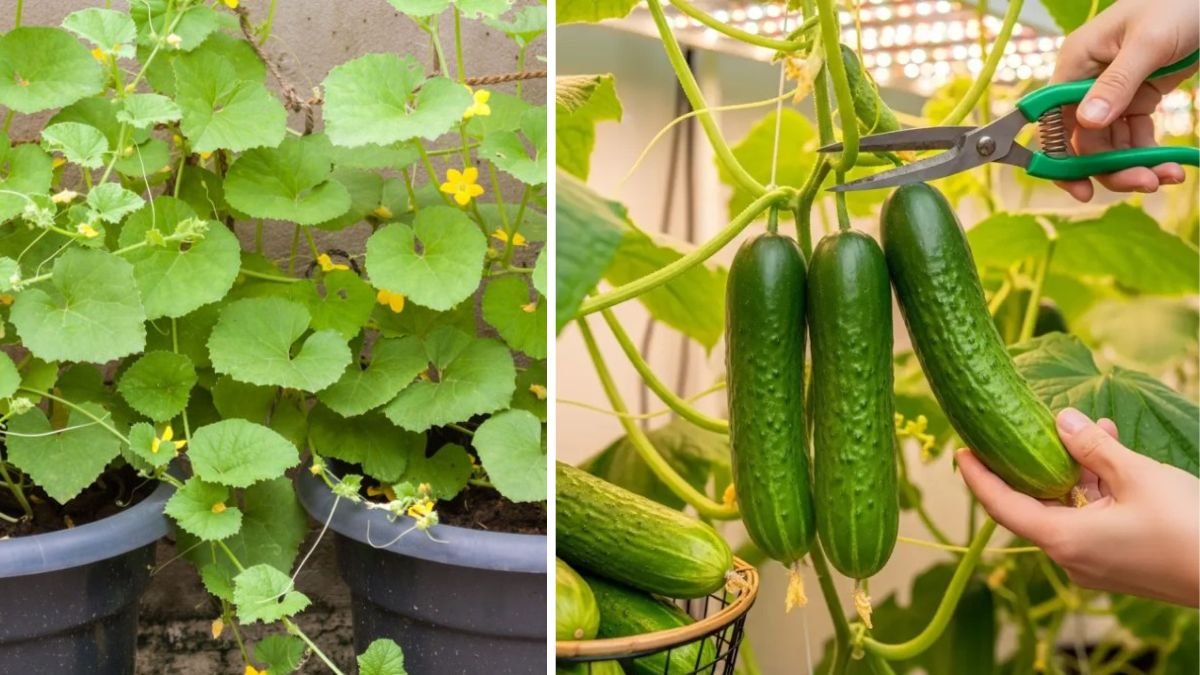
Use a sharp knife or scissors to cut fruits from the vine instead of pulling them off to prevent damage.
Storing Cucumbers
- Store fresh cucumbers in a cool, dry place or in the refrigerator.
- Wrap in a paper towel and keep in a perforated plastic bag for longer shelf life.
- Avoid storing near ethylene-producing fruits like bananas, as cucumbers are sensitive and may spoil faster.
Benefits of Growing Your Own Cucumbers
- Fresh, chemical-free vegetables
- Continuous harvest throughout the season
- Cost-effective and sustainable
- Fun and educational for beginners and kids
- Grows even in small spaces using vertical gardening techniques
Tips for Continuous Harvest
- Sow seeds every 3–4 weeks for a staggered harvest.
- Keep removing old or damaged leaves to maintain plant health.
- Use trellises or hanging baskets to maximize space.
- Rotate crops seasonally to prevent soil-borne diseases.
Conclusion
Growing cucumber babies from seeds to harvest is a rewarding gardening experience. Even if you have limited space, with the right seeds, soil, and care, you can enjoy fresh, crunchy cucumbers throughout the season. From choosing the right variety to providing proper support, watering, and fertilization, every step plays a vital role in ensuring healthy growth and maximum yield.
Whether you are a balcony gardener, a backyard enthusiast, or a beginner, this simple guide makes cucumber cultivation easy and enjoyable. Start planting today, and you’ll soon taste the difference of homegrown cucumbers—fresh, organic, and full of flavor.