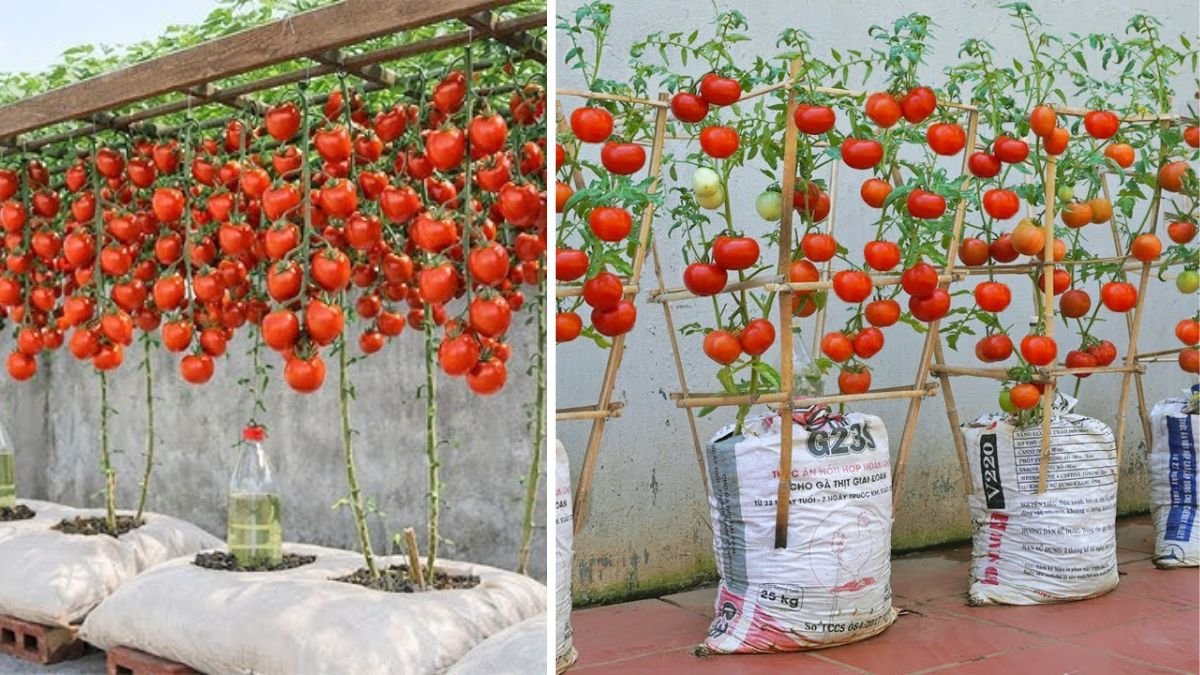
Introduction
Tomatoes are one of the most loved vegetables (technically fruits) in kitchens worldwide. Fresh, homegrown tomatoes taste far better than store-bought ones, and growing them yourself ensures they are free from harmful pesticides. But what if we told you that you don’t need a large garden or fancy pots to produce big, juicy tomatoes? The solution is surprisingly simple: old bags.
Yes, those old sacks or sturdy bags you were about to throw away can become the perfect home for growing tomatoes. This method is ideal for gardeners with limited space or anyone wanting a fun, cost-effective way to grow bountiful tomatoes. In this guide, we’ll walk you through step-by-step how to transform old bags into productive tomato-growing containers that yield large, flavorful fruits.
Why Grow Tomatoes in Old Bags?
Using old bags may sound unconventional, but it comes with several advantages:
- Cost-Effective – Reusing bags saves money compared to buying large pots or planters.
- Space-Saving – Bags can be placed on balconies, terraces, rooftops, or even hung vertically.
- Better Drainage – Bags naturally allow excess water to drain, preventing root rot.
- Easy Harvesting – Tomatoes can be harvested without bending or digging.
- Flexible Gardening – You can move the bags to optimize sunlight or protect plants from extreme weather.
By using this simple trick, even small-space gardeners can grow surprisingly large tomatoes.
Choosing the Right Bag
Not all bags are suitable for tomato gardening. Selecting the right one is crucial for healthy plant growth.
Bag Requirements
- Material: Strong, breathable fabric is ideal, such as old potato sacks, burlap bags, or jute bags. Thick plastic bags can work, but you’ll need to make drainage holes.
- Size: Choose bags that are at least 12–15 inches deep and wide. Bigger bags allow more room for roots, which is essential for producing large tomatoes.
- Durability: Make sure the bag can hold soil and water without tearing.
Old rice bags, fertilizer sacks, or shopping sacks with sturdy stitching are perfect for this purpose.
Preparing the Soil for Big Tomatoes
Tomatoes are heavy feeders, meaning they require nutrient-rich, well-draining soil to thrive. Poor soil is one of the main reasons for small, underwhelming tomatoes.
Ideal Soil Mix
- 50% Garden Soil or Cocopeat: Provides structure and moisture retention.
- 30% Compost or Well-Rotted Manure: Adds essential nutrients for strong growth.
- 10% Sand or Perlite: Improves drainage and prevents soil compaction.
- 10% Vermicompost or Organic Fertilizer: Boosts plant health and fruit production.
Mix these ingredients thoroughly to create a fluffy, aerated soil that encourages deep root growth, which directly influences tomato size.
Selecting the Best Tomato Variety
To get large tomatoes, choose high-yielding, big-fruited varieties. Some great options include:
- Beefsteak: Known for its large, juicy fruits.
- Big Boy: Produces consistently large tomatoes with excellent taste.
- Brandywine: Famous for size and flavor.
- Cherry Tomatoes (for smaller fruits but continuous yield): Great for small bags.
Avoid using supermarket tomatoes as seeds; they are often treated to prevent sprouting and may carry diseases.
Planting Tomatoes in Old Bags
Planting correctly sets the stage for a bountiful harvest.
Step-by-Step Planting
- Prepare the Bag:
If using a fabric bag, place it in a sunny location. If using a plastic bag, make multiple drainage holes at the bottom. - Fill with Soil:
Fill the bag halfway with your prepared soil mix. - Plant Seedlings:
Dig a small hole in the center and place the tomato seedling, burying up to two-thirds of the stem. Tomatoes develop roots along buried stems, which strengthens the plant. - Top Up Soil:
Cover with additional soil, leaving some space at the top for watering. - Water Lightly:
Moisten the soil until it’s evenly damp but not soggy.
Sunlight and Temperature Requirements
Tomatoes need plenty of sunlight to grow large, juicy fruits.
- Sunlight: 6–8 hours of direct sunlight daily is ideal.
- Temperature: 20°C to 28°C is optimal for growth. Avoid temperatures above 35°C, which can cause flower drop.
If sunlight is limited, rotate the bags throughout the day or move them to brighter spots.
Watering Tips for Big Tomatoes
Consistent watering is crucial for maximizing tomato size. Uneven watering can lead to small fruits, splitting, or blossom end rot.
Best Practices
- Water deeply 2–3 times per week, depending on climate.
- Keep the soil consistently moist, but not waterlogged.
- Mulch the top layer with straw or dry leaves to retain moisture.
- Reduce watering slightly during fruit ripening to intensify flavor.
Fertilizing for Maximum Yield
Tomatoes thrive on nutrients, especially during flowering and fruiting.
Fertilization Plan
- At Planting: Mix compost and organic fertilizer into soil.
- 3–4 Weeks After Planting: Apply liquid organic fertilizer every 10–15 days.
- During Flowering and Fruit Set: Use potassium-rich fertilizer to promote fruit growth.
- Mid-Season: Side-dress with compost or vermicompost to boost yield.
Avoid excessive nitrogen, which encourages leaf growth over fruit development.
Supporting Tomato Plants
Big tomato varieties need support to prevent stems from breaking under fruit weight.
- Stakes: Insert a sturdy stake into the bag and tie the plant loosely as it grows.
- Cages: Wire cages or tomato cages work well for supporting multiple branches.
- Trellises: Ideal if growing multiple bags in a vertical setup.
Proper support ensures airflow, reduces disease, and keeps fruits off the ground.
Common Problems and Solutions
Even in containers, tomatoes can face challenges. Here’s how to handle them:
- Yellow Leaves: Often caused by nutrient deficiency or overwatering. Apply balanced fertilizer and adjust watering.
- Blossom End Rot: Caused by calcium deficiency or irregular watering. Add calcium-rich fertilizer and keep soil evenly moist.
- Pest Infestations: Watch for aphids, whiteflies, and caterpillars. Use neem oil or insecticidal soap.
- Diseases: Avoid fungal infections by watering at the soil level and ensuring good airflow.
Harvesting Big Tomatoes
The reward for your efforts comes when the fruits are fully ripe.
- Timing: Harvest when the tomatoes are fully colored and firm.
- Method: Gently twist or cut the fruit from the stem to avoid damage.
- Frequency: Regular harvesting encourages more flowering and fruit production.
Proper harvesting ensures a continuous supply of fresh, juicy tomatoes from your old bag garden.
Tips for Extra-Large Tomatoes
- Plant only 1–2 seedlings per bag to reduce competition.
- Provide at least 6–8 hours of sunlight daily.
- Maintain consistent watering and fertilization.
- Use deep, high-quality soil to allow root expansion.
- Remove lower leaves to improve airflow and reduce disease risk.
By following these simple tricks, your old bags can produce tomatoes that rival those from commercial farms.
Conclusion
Old bags are no longer just for storage—they can be transformed into highly productive tomato gardens. This surprisingly simple trick allows anyone, even without a traditional garden, to grow large, juicy tomatoes at home.
By selecting the right bags, preparing nutrient-rich soil, choosing high-yield varieties, and following proper care routines including watering, fertilization, and support, you can enjoy a bountiful harvest of fresh, delicious tomatoes.
Whether you live in a small apartment, on a rooftop, or have a limited backyard, this method turns humble bags into a goldmine of flavor and nutrition. Next time you see an old bag, remember—it could be the start of your next giant tomato harvest.