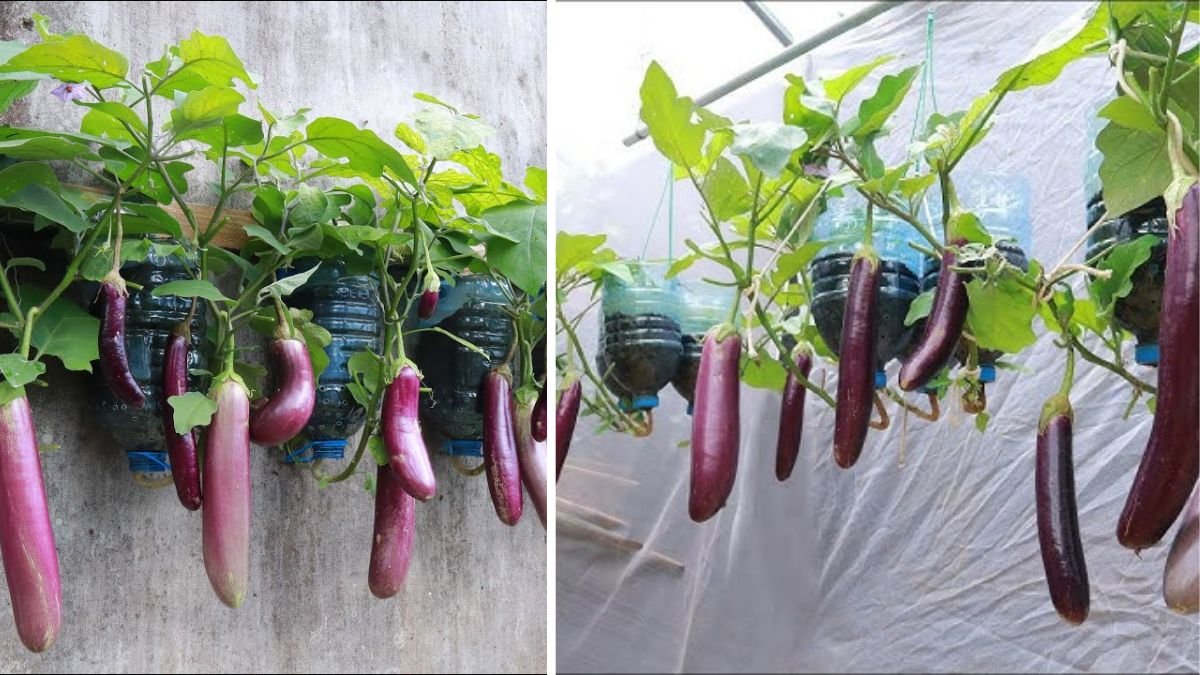
Introduction
Eggplant, also known as aubergine or brinjal, is a popular vegetable grown around the world for its delicious, versatile fruit. Whether baked, grilled, stir-fried, or roasted, eggplant adds rich flavor and nutrients to meals. However, many gardeners struggle with slow growth, poor yields, or inefficient use of garden space.
One highly effective solution is intercropping — growing eggplant alongside compatible vegetables to maximize space, improve soil health, and boost overall productivity. This method not only accelerates eggplant growth but also helps prevent pests, reduces soil erosion, and promotes a more balanced ecosystem in your garden.
In this comprehensive guide, we’ll explain how to quickly grow eggplant interspersed with other vegetables, covering everything from seed selection and soil preparation to planting, care, and harvesting. Whether you are a beginner or an experienced gardener, following these techniques can help you achieve bountiful, healthy crops in a fraction of the time.
Why Intercropping Eggplant Works
Intercropping is an ancient and scientifically proven gardening technique. By planting eggplant alongside certain companion vegetables, you can:
- Enhance Growth: Some companion plants release nutrients into the soil or provide shade, helping eggplants grow faster.
- Reduce Pest Problems: Certain vegetables repel insects that typically target eggplant, reducing the need for chemical pesticides.
- Improve Soil Fertility: Legumes like beans enrich the soil with nitrogen, boosting eggplant growth naturally.
- Maximize Space: Intercropping allows you to grow multiple crops in the same area, making small gardens more productive.
- Encourage Pollination: Flowers from companion plants attract pollinators, helping eggplants produce more fruit.
By understanding which vegetables are compatible with eggplant, you can set up a thriving, space-efficient garden.
Choosing the Right Eggplant Varieties
Selecting the right eggplant variety is crucial for quick growth and high yield. Some varieties grow faster and produce fruit in less time, while others are better suited for container or small-space gardening. Popular fast-growing eggplant varieties include:
- Black Beauty – A classic variety with large, glossy purple fruits.
- Fairy Tale – A dwarf variety ideal for small spaces, producing small, tender fruits.
- Pingtung Long – A long, slender variety that matures quickly and is great for stir-fries.
- Arka Shirish – Hybrid variety known for high yield and pest resistance.
Choosing a variety that matures quickly allows you to harvest sooner, which is ideal for intercropping systems where space and resources are shared.
Selecting Compatible Companion Vegetables
Not all vegetables grow well alongside eggplant. For the best results, choose companions that enhance growth or deter pests. Some excellent options include:
- Legumes (beans, peas) – Fix nitrogen in the soil, which benefits eggplants.
- Leafy greens (spinach, lettuce, kale) – Grow quickly and occupy shallow soil, leaving space for eggplant roots.
- Herbs (basil, oregano, thyme) – Repel common pests like aphids, spider mites, and whiteflies.
- Root vegetables (radish, carrot) – Break up soil and improve aeration without competing for above-ground space.
- Marigolds – Though not edible, they repel nematodes and attract beneficial insects.
Avoid planting eggplant with other members of the nightshade family (tomatoes, peppers, potatoes) in close proximity, as they share common pests and diseases, which can slow growth and reduce yield.
Preparing Soil for Rapid Growth
Eggplants require fertile, well-draining soil with a slightly acidic to neutral pH (6.0–6.8). Intercropping makes soil preparation even more important, as multiple crops will draw on nutrients simultaneously.
Steps for soil preparation:
- Clear the area of weeds and debris.
- Loosen the soil to a depth of at least 30 cm to promote root development.
- Incorporate organic matter, such as compost, well-rotted manure, or leaf mold, to enrich nutrients and improve drainage.
- Mix in balanced fertilizer (NPK 10:10:10) to give eggplants and companion crops an early growth boost.
- Check pH and amend with lime if necessary to maintain optimal soil acidity.
Healthy soil ensures eggplants establish quickly, grow faster, and resist disease.
Starting Seeds and Transplanting
To speed up growth, start eggplant seeds indoors 6–8 weeks before the last frost date in your region. Steps:
- Sow seeds in seed trays or small pots with seed-starting mix.
- Maintain a temperature of 24–28°C for optimal germination.
- Water gently to keep soil moist, not soggy.
- After 4–6 weeks, seedlings should be 15–20 cm tall with strong stems.
When transplanting outdoors:
- Harden seedlings by gradually exposing them to outdoor conditions for 5–7 days.
- Space eggplants 45–60 cm apart, leaving enough room for companion vegetables.
- Plant companion crops in between eggplants according to their growth requirements.
This approach accelerates early growth while ensuring plants do not compete excessively for nutrients.
Watering and Moisture Management
Eggplants need consistent moisture to thrive, especially when intercropped. Uneven watering can stress plants, slow growth, and reduce fruit quality.
- Water deeply 2–3 times per week, depending on weather and soil type.
- Use drip irrigation or soaker hoses for efficiency and to prevent wetting foliage.
- Mulch around the base with straw, grass, or compost to retain soil moisture, regulate temperature, and suppress weeds.
Companion plants often benefit from the same watering schedule, simplifying maintenance.
Fertilization for Fast Growth
Quick-growing eggplants require regular feeding. Intercropped gardens must balance nutrients among multiple plants.
- Apply a high-nitrogen fertilizer in early vegetative stages to encourage leaf and stem growth.
- Switch to phosphorus- and potassium-rich fertilizers during flowering and fruiting to support blooms and large, healthy fruit.
- Organic options like compost tea, vermicompost extract, or liquid seaweed fertilizer work well without harming companion plants.
- Fertilize every 2–3 weeks for sustained growth.
Balanced nutrition ensures both eggplants and companions grow vigorously without nutrient stress.
Pest and Disease Management in Intercropped Gardens
Intercropping naturally reduces pest pressure, but vigilance is still needed. Common eggplant pests include:
- Aphids
- Spider mites
- Flea beetles
- Fruit borers
Preventive measures:
- Plant pest-repelling companions like basil and marigold.
- Inspect plants regularly for signs of infestation.
- Use neem oil or organic insecticidal soap for control.
- Rotate crops yearly to reduce soil-borne diseases.
Proper spacing and airflow are critical in intercropped beds to prevent fungal diseases like powdery mildew and blight.
Supporting Plants and Pruning
Eggplants benefit from support as they grow taller and produce heavy fruits.
- Use stakes or cages for each eggplant plant.
- Prune lower leaves and unnecessary shoots to improve airflow and reduce disease.
- Train companion vegetables like beans to climb supports if space is limited.
This approach encourages strong stems and maximizes sunlight exposure for all plants.
Harvesting for Maximum Yield
Eggplants grow quickly when given the right conditions and regular care.
- Harvest when fruits reach full size but are still firm and glossy.
- Pick frequently, every 2–3 days, to encourage continuous flowering.
- Handle fruits gently to avoid bruising and damage.
- Intercropping allows sequential harvesting of companion crops as well, improving overall garden productivity.
Prompt harvesting prevents overripe fruit, which can slow new growth.
Tips to Speed Growth and Boost Yield
- Use reflective mulch to increase sunlight exposure.
- Plant in warm, sunny locations – eggplants grow best at 25–30°C.
- Apply foliar sprays of diluted seaweed extract to encourage faster growth.
- Rotate crops and practice intercropping annually to prevent nutrient depletion.
- Choose compact or dwarf varieties if garden space is limited.
- Provide proper support to prevent stem damage and maximize fruit size.
Following these tips ensures fast, healthy growth and large harvests.
Conclusion
Growing eggplant interspersed with other vegetables is a highly effective and sustainable method for achieving quick growth, healthy plants, and bountiful harvests. Intercropping maximizes space, improves soil fertility, reduces pests naturally, and accelerates the development of both eggplants and companion crops.
By selecting fast-growing eggplant varieties, pairing them with compatible vegetables, preparing fertile soil, and following proper care practices, even small-space gardeners can enjoy a thriving, productive garden. With attention to watering, fertilization, pest control, and harvesting, you can enjoy fresh, organic eggplants throughout the season.
Whether you are gardening on a balcony, rooftop, or backyard, intercropping eggplants with other vegetables offers a smart, efficient, and rewarding approach to modern gardening. Start today, and watch your garden flourish faster than you ever imagined.