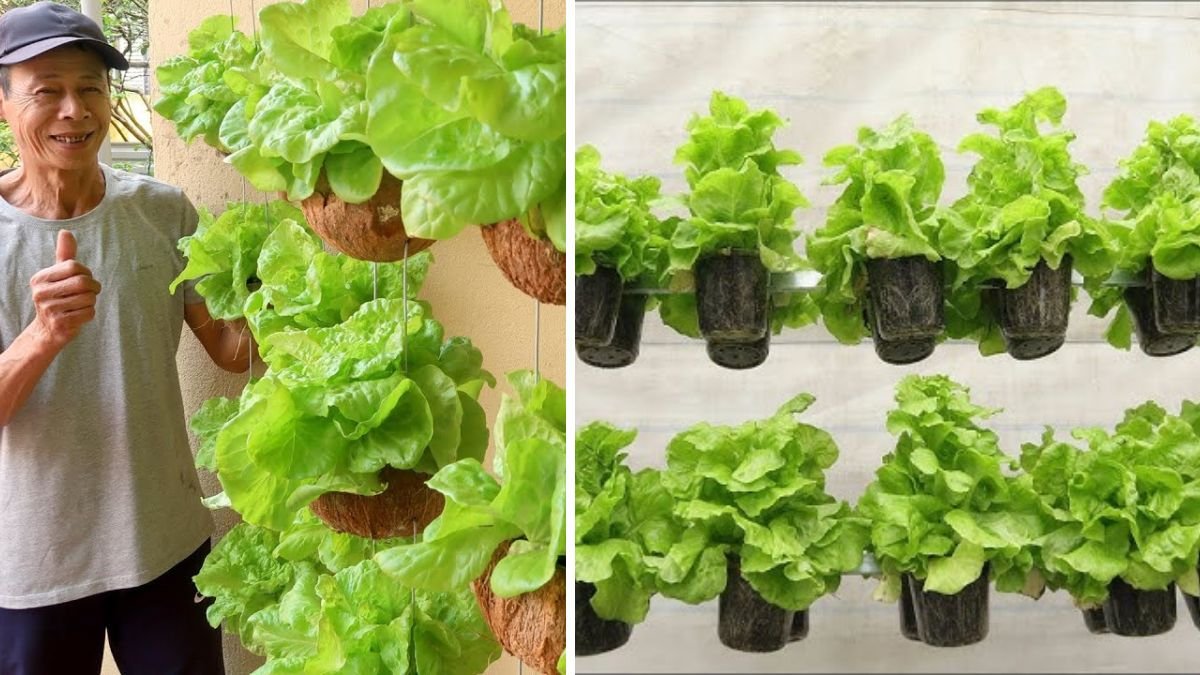
Urban gardening and small-space planting have become essential trends for home growers worldwide. With increasing interest in growing food at home, the concept of a hanging vegetable garden — where plants are grown in suspended pots, baskets, or vertical systems — has gained popularity. Hanging gardens are not only space-efficient but also visually appealing and ideal for dry environments, where traditional gardening methods can struggle.
With the right strategies, you can cultivate fresh vegetables even in limited spaces and dry conditions. This article explores practical techniques, ideal plants, water-saving tips, and creative ideas to help you build an amazing hanging vegetable garden that thrives throughout the year.
What Is a Hanging Vegetable Garden?
A hanging vegetable garden is a method of growing edible plants above ground level. Plants are typically grown in hanging baskets, pots, wall-mounted containers, or vertical structures. This approach maximizes vertical space, provides better airflow, and protects plants from pests found on the ground.
Hanging vegetable gardens are particularly suited for:
- Balconies, patios, or rooftops with limited space
- Dry climates where soil moisture is low
- Urban homes and apartments
- Water-conscious gardeners seeking sustainable growing techniques
The concept draws inspiration from vertical and upside-down gardening methods, which aim to increase productivity while reducing the footprint of traditional garden beds. (en.wikipedia.org)
Benefits of Hanging Gardens in Dry Conditions
Hanging vegetable gardens offer several advantages in dry climates:
1. Improved Air Circulation
Elevated containers allow better airflow around the foliage and roots. This reduces humidity buildup, preventing rot and disease.
2. Optimized Sunlight Exposure
Plants can be positioned to capture the ideal amount of sunlight, which is especially important in dry environments where strong sun accelerates growth but can also stress plants.
3. Efficient Water Usage
Although hanging plants dry faster, efficient watering strategies and self-watering containers help conserve water. Mulching and using moisture-retentive soil mixes further reduce water loss. (idealhome.co.uk)
4. Pest Protection
Elevated gardens are less accessible to common ground pests, reducing the need for chemical interventions.
These benefits make hanging gardens a smart choice for urban dwellers and gardeners facing water scarcity.
Best Vegetables for Hanging Gardens
Choosing the right vegetables is critical for a successful hanging garden, particularly in dry climates. Here are some ideal options:
1. Cherry and Mini Tomatoes
Cherry tomatoes and small-fruited varieties thrive in hanging baskets. Their trailing growth habit allows them to cascade beautifully over the sides, maximizing both space and yield. (southernliving.com)
2. Leafy Greens
Spinach, kale, lettuce, Swiss chard, and parsley perform well in hanging containers. Their shallow roots are ideal for smaller pots, and they benefit from the cooler top layer of soil in dry climates. (colabamarket.com)
3. Herbs
Basil, thyme, oregano, rosemary, and mint grow beautifully in hanging containers. Many herbs are drought-tolerant and thrive with minimal watering once established. (wplsite.com)
4. Strawberries
Strawberries are perfect for hanging baskets, producing fruit while staying clean and protected from ground pests. Trailing varieties offer an attractive cascade effect. (colabamarket.com)
5. Mini Cucumbers
Compact cucumber varieties can grow in hanging pots using vertical supports. They produce delicious fruit while taking minimal space. (colabamarket.com)
Water-Saving Techniques for Hanging Gardens
Water management is crucial for hanging vegetable gardens, especially in dry conditions. Here’s how to maintain healthy plants with minimal water:
1. Choose the Right Containers
Use containers that retain moisture, such as plastic pots, grow bags, or lined baskets. Avoid shallow pots that dry out too quickly.
2. Use Moisture-Retentive Soil
High-quality potting soil mixed with coco coir or peat moss retains moisture longer than standard garden soil. This prevents rapid drying in hot conditions.
3. Mulch the Soil Surface
Add a layer of organic mulch to reduce evaporation and keep roots cool. Mulch also enriches the soil as it decomposes. (themicrogardener.com)
4. Water at Optimal Times
Water early in the morning or late in the evening to minimize evaporation. Hanging plants often need daily checking during hot, dry spells.
5. Consider Self-Watering Systems
Self-watering pots or drip irrigation systems can significantly reduce water usage while ensuring consistent hydration. (dripworks.com)
Creative Hanging Garden Ideas
Here are some practical and inspiring ideas for hanging vegetable gardens:
1. Cascading Pot Towers
Hang multiple pots one below another to create a vertical “food tower.” Mix different vegetables in each tier for an attractive and productive display. (colabamarket.com)
2. Trailing Tomato Baskets
Use large hanging pots for cherry tomatoes. Let them trail freely for a dramatic, space-saving effect.
3. Hanging Strawberry Bowls
Strawberry baskets not only look beautiful but keep fruits clean and safe from pests.
4. Herb Walls
Attach multiple small pots to a vertical wall or fence for an accessible and space-efficient herb garden. (wplsite.com)
Growing Trends and Gardening News
Drought-Resistant Gardening: Gardeners are increasingly using drought-tolerant plants and water-efficient methods as hot, dry seasons become more common. Slow-release watering systems, mulching, and water-wise plant selections are on the rise. (theguardian.com)
Urban Vertical Gardening: Vertical gardening, including hanging systems, continues to grow in popularity, helping urban dwellers maximize limited space while producing fresh vegetables. (urbanplant.in)
Recommended Authoritative Sources
For more guidance and inspiration, consider these resources:
- Upside-Down Gardening: Overview of hanging vegetable techniques (en.wikipedia.org)
- Oregon State University Extension: Container gardening essentials (extension.oregonstate.edu)
- Urban Plant – Vertical Gardening: Tips for urban and space-efficient vegetable growing (urbanplant.in)
- Scotts Miracle-Gro: Best vegetables for vertical and hanging gardens (scottsmiraclegro.com)
Final Thoughts
A well-designed hanging vegetable garden allows you to grow fresh, nutritious produce even in dry conditions and small spaces. By selecting the right plants, using water-wise techniques, and arranging containers creatively, you can enjoy a productive and visually stunning garden year-round. Hanging gardens are perfect for urban apartments, balconies, patios, and any space where soil and water are limited.
Whether you’re a beginner or an experienced gardener, hanging gardens combine sustainability, space efficiency, and beauty — helping you adapt to dry climates while enjoying homegrown vegetables fresh from your own garden.