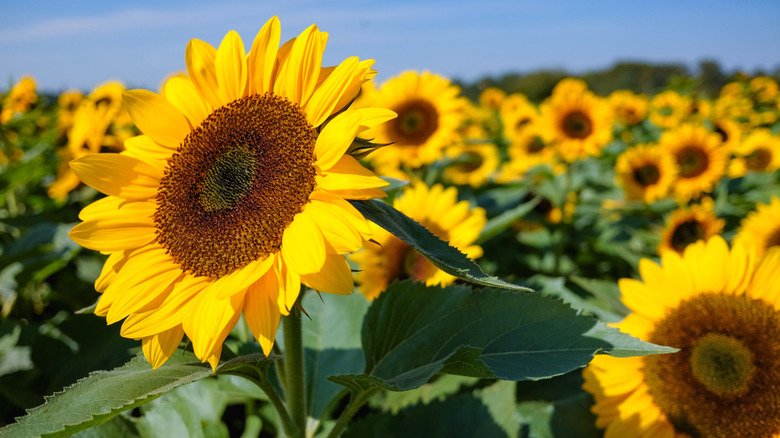
If you’ve ever wanted to create a lively, bird-filled backyard, planting sunflowers is one of the easiest and most rewarding ways to do it. Sunflowers aren’t just cheerful and eye-catching—they also provide a reliable food source for a wide variety of birds, from finches to cardinals. By choosing the right sunflower varieties, you can maximize your yard’s bird activity while enjoying stunning blooms all season long.
In this guide, we’ll explore the best sunflower varieties for bird attraction, tips for planting and maintenance, and ways to make your backyard a safe and inviting haven for feathered friends.
Why Sunflowers Are Ideal for Attracting Birds
Sunflowers have several traits that make them bird magnets:
- Nutritious Seeds: Sunflower seeds are rich in fats and protein, giving birds the energy they need, especially in colder months.
- Sturdy Flower Heads: Larger heads hold seeds well, allowing multiple birds to feed simultaneously.
- Late Blooming: Some varieties flower late into summer or early fall, providing a consistent food source.
- Visibility: Tall, bright blooms make it easy for birds to spot feeding opportunities from a distance.
By selecting the right varieties, you ensure that birds have both food and shelter, increasing their visits to your yard.
Top Sunflower Varieties to Plant for Birds
While all sunflowers produce seeds, certain varieties are especially appealing to birds because of their size, seed type, and growth habit.
1. Mammoth Sunflower
- Height: Up to 12 feet tall
- Seed Type: Large black seeds
- Benefits: The massive heads are ideal for larger birds like cardinals, blue jays, and grosbeaks.
- Planting Tip: Support tall plants with stakes to prevent wind damage.
2. Autumn Beauty Sunflower
- Height: 4–6 feet
- Seed Type: Medium-sized striped seeds
- Benefits: Multi-colored petals attract humans and birds alike; birds enjoy the seeds once the petals fade.
- Planting Tip: Ideal for mixed garden beds or borders.
3. Black Oil Sunflower
- Height: 5–6 feet
- Seed Type: Small, high-oil black seeds
- Benefits: Preferred by small birds like finches, chickadees, and sparrows.
- Planting Tip: Sow in clusters to encourage flock feeding.
4. Teddy Bear Sunflower
- Height: 2–3 feet
- Seed Type: Small seeds
- Benefits: Dense, fluffy flower heads are visually appealing and attract small birds.
- Planting Tip: Perfect for container gardening or front-yard beds.
5. Lemon Queen Sunflower
- Height: 5–7 feet
- Seed Type: Medium-sized striped seeds
- Benefits: Lemony-yellow petals and plentiful seeds attract both birds and pollinators.
- Planting Tip: Plant in sunny, well-drained soil for optimal growth.
6. Velvet Queen Sunflower
- Height: 5–7 feet
- Seed Type: Medium to large seeds
- Benefits: Deep burgundy flowers produce seeds later in the season, offering extended bird feeding opportunities.
- Planting Tip: Works well in backyard meadows or informal garden settings.
7. Sunspot Sunflower
- Height: 3–4 feet
- Seed Type: Small to medium seeds
- Benefits: Compact size and prolific seed heads are great for attracting finches and sparrows in smaller yards.
- Planting Tip: Grow in containers if you have limited garden space.
Planting Tips for Bird-Friendly Sunflowers
To ensure your sunflowers flourish and attract the maximum number of birds:
- Choose a Sunny Spot: Sunflowers need 6–8 hours of direct sunlight per day.
- Soil Preparation: Plant in well-draining, nutrient-rich soil. Add compost for better growth.
- Sow Seeds Correctly:
- Direct sow after the last frost.
- Plant seeds 1 inch deep and 6–12 inches apart depending on variety.
- Water Consistently: Sunflowers thrive with 1 inch of water per week, more if soil dries quickly.
- Support Tall Varieties: Use stakes or trellises to prevent bending or breakage.
Maintenance for Maximum Bird Attraction
Sunflowers are relatively low-maintenance, but a few care tips will maximize seed production and bird visits:
- Deadhead Selectively: Remove spent blooms if you want to encourage additional flowering, but leave mature heads for seeds.
- Protect From Pests: Birds will eat seeds, but squirrels, raccoons, and insects may also take notice. Consider netting or fencing if necessary.
- Harvest Seeds for Later: You can dry some seed heads to provide food throughout winter.
Regular care ensures that your sunflower patch remains healthy and full of seeds, keeping birds coming back season after season.
Additional Tips to Make Your Yard Bird-Friendly
Beyond planting sunflower varieties, other elements can enhance bird activity in your yard:
- Water Source: A birdbath or small fountain provides fresh water for drinking and bathing.
- Shelter: Shrubs, trees, and brush piles offer birds safe resting spots and protection from predators.
- Avoid Chemicals: Pesticides and herbicides can harm birds directly or reduce the insect population they rely on.
- Diverse Planting: Include other seed-bearing plants like coneflowers, black-eyed Susans, and cosmos to complement sunflowers.
- Seasonal Planting: Stagger sunflower planting to extend the feeding season, ensuring birds have food for longer periods.
By combining sunflower varieties with supportive landscaping, you can create a thriving backyard ecosystem that benefits both birds and humans.
The Benefits of Attracting Birds to Your Yard
Birds aren’t just delightful to watch—they also contribute to a healthier garden:
- Pollination: Some birds help pollinate flowers as they forage.
- Pest Control: Birds eat insects and larvae, reducing the need for chemical pesticides.
- Seed Dispersal: Birds carry seeds from other plants, naturally enriching your garden’s biodiversity.
- Mental Health Benefits: Birdwatching reduces stress, improves mood, and encourages outdoor activity.
Planting sunflower varieties for birds creates a mutually beneficial environment, supporting wildlife while enhancing your yard’s beauty and functionality.
Conclusion
If you want to fill your yard with birds, sunflowers are one of the most effective and rewarding plants to grow. Varieties like Mammoth, Black Oil, Lemon Queen, and Velvet Queen provide seeds that attract a wide range of species, while also offering visual appeal for your garden.
By choosing the right varieties, planting strategically, and maintaining your sunflower patch, you can enjoy a vibrant, bird-filled backyard from summer through fall. Adding supportive elements like water, shelter, and complementary plants ensures that birds continue to visit your garden year after year.
Whether you’re a casual birdwatcher or a dedicated gardener, planting sunflowers is a simple, natural way to bring life, color, and wildlife into your outdoor space—making your yard a sanctuary not just for birds, but for yourself as well.