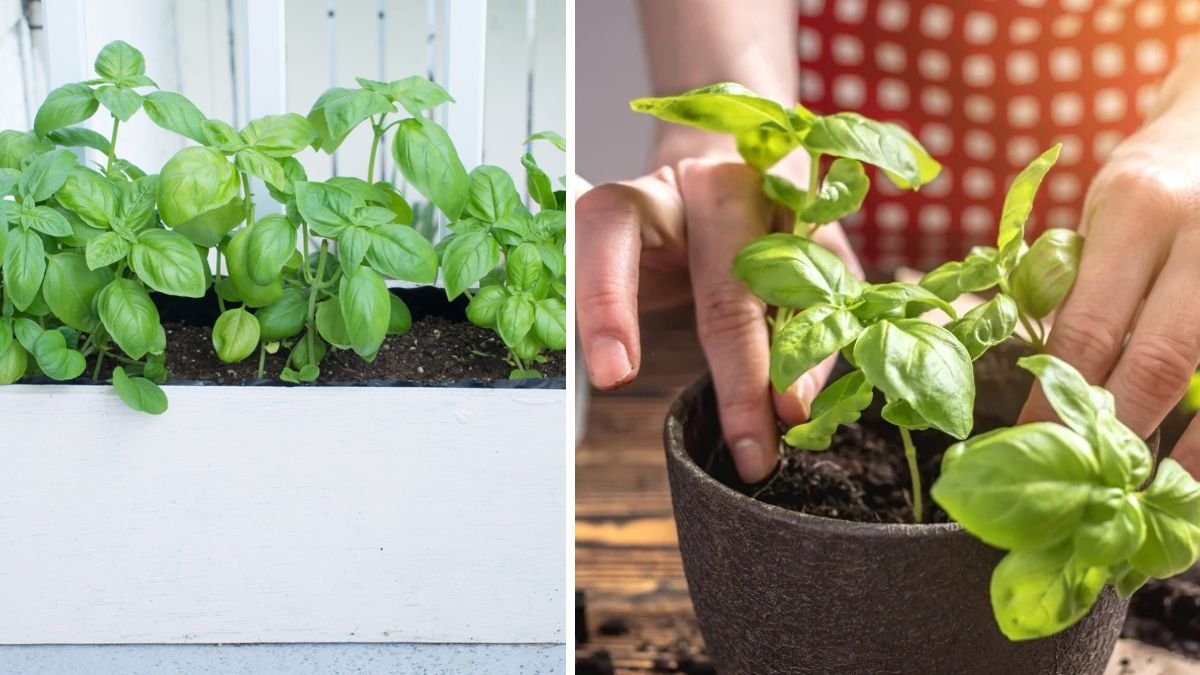
Basil is one of the most rewarding herbs you can grow at home. Its fresh aroma, vibrant green leaves, and incredible flavor make it a favorite for kitchens, balconies, and windowsills. The good news is that you don’t need a big garden to grow basil successfully. With the right care, basil thrives beautifully in small pots, making it perfect for apartments, patios, and compact outdoor spaces.
This guide covers easy, proven tips for growing healthy basil in small containers, from choosing the right pot and soil to harvesting for continuous growth.
Why Basil Is Perfect for Small Pots
Basil adapts exceptionally well to container gardening:
- Compact root system
- Fast growth and quick harvests
- Thrives indoors or outdoors
- Can be grown year-round in warm conditions
- Highly productive even in limited space
With proper care, one small basil plant can provide weeks or even months of fresh leaves.
Choosing the Right Basil Variety
Some basil varieties are especially well-suited for small pots:
- Genovese Basil – classic culinary basil, compact growth
- Greek Basil – naturally small and bushy
- Thai Basil – slower-growing but flavorful
- Lemon Basil – fragrant and manageable
Avoid overly large varieties unless you plan frequent pruning.
Selecting the Best Pot
Pot Size
- Minimum size: 6–8 inches wide and deep
- Larger pots (10 inches) allow fuller growth
- Avoid shallow containers—roots need space
Drainage Is Essential
- Always use pots with drainage holes
- Poor drainage leads to root rot, the most common basil killer
Clay pots are excellent for airflow, while plastic retains moisture longer.
The Best Soil for Potted Basil
Basil needs light, nutrient-rich, well-draining soil:
- Use high-quality potting mix
- Add compost or worm castings for nutrients
- Avoid garden soil—it compacts in containers
A slightly moist but airy soil structure keeps roots healthy.
Sunlight Requirements
Basil loves sunshine:
- 6–8 hours of direct sunlight daily
- Outdoors: balconies, patios, or sunny windows
- Indoors: south- or west-facing windows
If light is limited, a small grow light can dramatically improve growth.
Watering Basil Correctly
Watering is critical when growing basil in small pots.
Best Practices
- Water when the top inch of soil feels dry
- Water deeply until it drains out the bottom
- Never let pots sit in standing water
Common Mistakes
- Overwatering (leads to yellow leaves)
- Letting soil dry out completely (causes wilting)
Consistency is key—small pots dry out faster than garden soil.
Feeding Basil for Lush Growth
Basil is a fast grower and benefits from regular feeding:
- Use a balanced liquid fertilizer every 2–3 weeks
- Organic options like fish emulsion or compost tea work well
- Avoid over-fertilizing, which reduces flavor
Healthy basil should be deep green and aromatic.
Pruning and Harvesting for Continuous Growth
How to Prune Basil
- Pinch stems just above a leaf node
- Remove flower buds immediately
- Never harvest more than one-third of the plant at a time
Why Pruning Matters
- Encourages bushy growth
- Prevents legginess
- Extends the plant’s life
Frequent harvesting actually improves basil production.
Common Problems and Solutions
- Yellow leaves: Overwatering or nutrient deficiency
- Leggy plants: Not enough sunlight
- Slow growth: Pot too small or compacted soil
- Pests: Aphids or whiteflies—rinse with water or use neem oil
Growing Basil Indoors Year-Round
- Keep away from cold drafts
- Rotate pots weekly for even light
- Reduce watering slightly in winter
- Maintain warmth (above 60°F / 16°C)
Final Thoughts
Growing basil in small pots is easy, rewarding, and perfect for limited spaces. With the right pot, soil, sunlight, and regular pruning, basil will thrive and provide fresh, flavorful leaves whenever you need them. Whether on a kitchen windowsill or a sunny balcony, potted basil proves that big flavor doesn’t require big space.