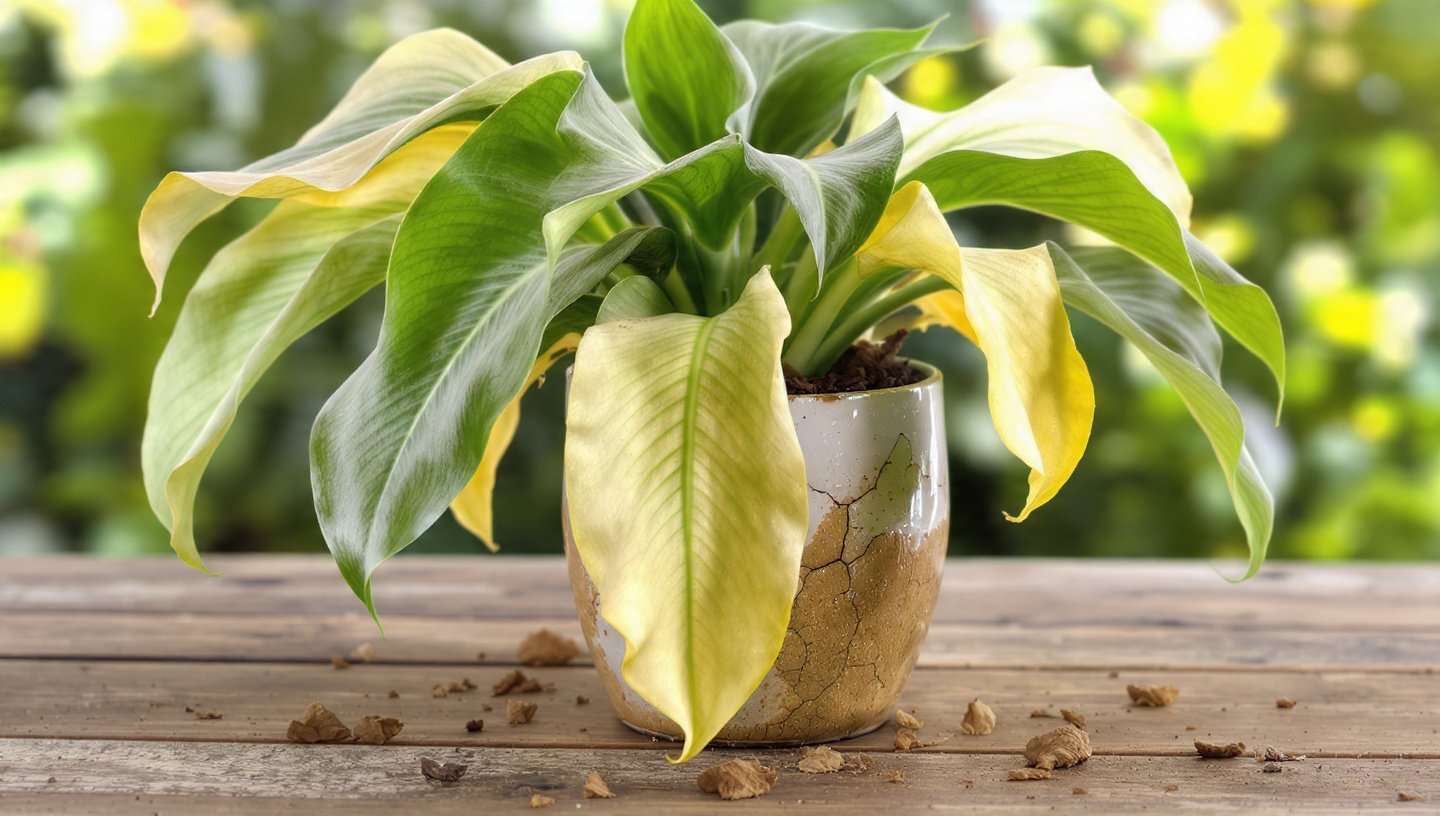
The Peace Lily (Spathiphyllum) is a popular houseplant known for its beautiful white blooms and glossy green leaves. However, many plant owners face the grim reality of seeing their beloved Peace Lily seemingly “die” or deteriorate significantly. This emotional challenge raises the question: can a dead Peace Lily really come back to life? Understanding the causes of your plant’s distress and timely intervention can often turn around the fate of this resilient plant.
Understanding the Peace Lily’s Needs
Before delving into the recovery process, it is vital to understand the basic requirements of a Peace Lily. This plant thrives in:
- Light: Low to medium, indirect sunlight.
- Water: Moist soil (but not waterlogged) to avoid root rot.
- Humidity: Prefers high humidity levels but can adapt to average household humidity.
- Temperature: Ideally between 65°F to 85°F (18°C to 29°C).
Signs of Distress in Peace Lilies
To determine whether your Peace Lily is dead or just in distress, look for these signs:
- Wilting: Droopy leaves and stems can indicate underwatering or overwatering.
- Yellowing Leaves: This may be a sign of overwatering or nutrient deficiency.
- Brown Leaf Tips: Usually caused by low humidity or excessive fertilizer.
- Blackened Stems: Often a sign of root rot.
Assessing the Damage
To ascertain whether your Peace Lily can be revived, you need to perform a thorough assessment:
- Check the Soil: If it’s soggy, root rot might be the culprit. If it’s dry and crumbly, the plant needs watering.
- Inspect the Roots: Gently remove the plant from its pot and examine the roots. Healthy roots should be white or light tan and firm. Dark brown, mushy roots indicate root rot.
- Look for Leaf Health: Trim off any dead or dying leaves, which can help redirect the plant’s energy to new growth.
Reviving Your Peace Lily
If your Peace Lily is showing signs of distress but is not completely dead, here are steps you can take to revitalize it:
1. Correct Watering Practices
Determine whether the plant is overwatered or underwatered. Adjust your watering schedule accordingly. The general rule is to water when the top inch of the soil feels dry.
2. Improve Lighting Conditions
If your Peace Lily is in a dark corner, move it to a spot that receives indirect sunlight. Avoid direct sunlight, which can scorch the leaves.
3. Address Humidity Levels
Increase humidity around the plant. This can be achieved through misting, using a humidity tray, or placing a humidifier nearby.
4. Prune Affected Areas
Cut away dead leaves and any affected roots. This helps the plant focus its energy on healthier parts and encourages new growth.
5. Repot if Necessary
If your Peace Lily’s roots are severely damaged or rotting, repotting it into fresh soil may be necessary. Choose a pot with drainage holes to prevent future issues.
How Long Does Recovery Take?
Recovery can take time. Depending on the condition of the plant, it can take weeks to months for visible improvements. Regularly monitor the plant and continue to adjust care as needed.
Can a Completely Dead Peace Lily Be Saved?
Unfortunately, if the Peace Lily is completely dead, there may be little hope for revival. If all roots are damaged or if the entire plant is brown and dries up, it may be best to remove it and start fresh with a new plant. Learn from the experience and pay attention to each new plant’s needs.
Conclusion
In conclusion, while a dead Peace Lily may not be able to come back to life, a distressed one often can with proper care and attention. Understanding the specific needs of this houseplant, coupled with timely assessment and intervention, can dramatically improve the chances of recovery. Remember to monitor the conditions and cater to what your Peace Lily requires to thrive. With patience and love, you can nurture your plant back to vibrant health.
FAQs
1. How can I tell if my Peace Lily is dead?
If the roots are mushy or black, and the leaves are completely wilted and brown, it is likely dead. If there’s still some green, there’s hope!
2. Why does my Peace Lily keep dying?
Overwatering, underwatering, low humidity, and poor lighting conditions can all contribute to a Peace Lily’s decline. Regularly reassess its environment.
3. How often should I water my Peace Lily?
Water when the top inch of the soil feels dry. This is usually every 1-2 weeks, depending on environmental conditions.
4. Can I save a Peace Lily with root rot?
Yes, you can sometimes save a Peace Lily with root rot by trimming away the affected roots and repotting the plant in fresh soil.
5. Should I fertilize my Peace Lily while trying to revive it?
It’s best to wait until the plant shows signs of recovery before applying fertilizer to avoid further stress.