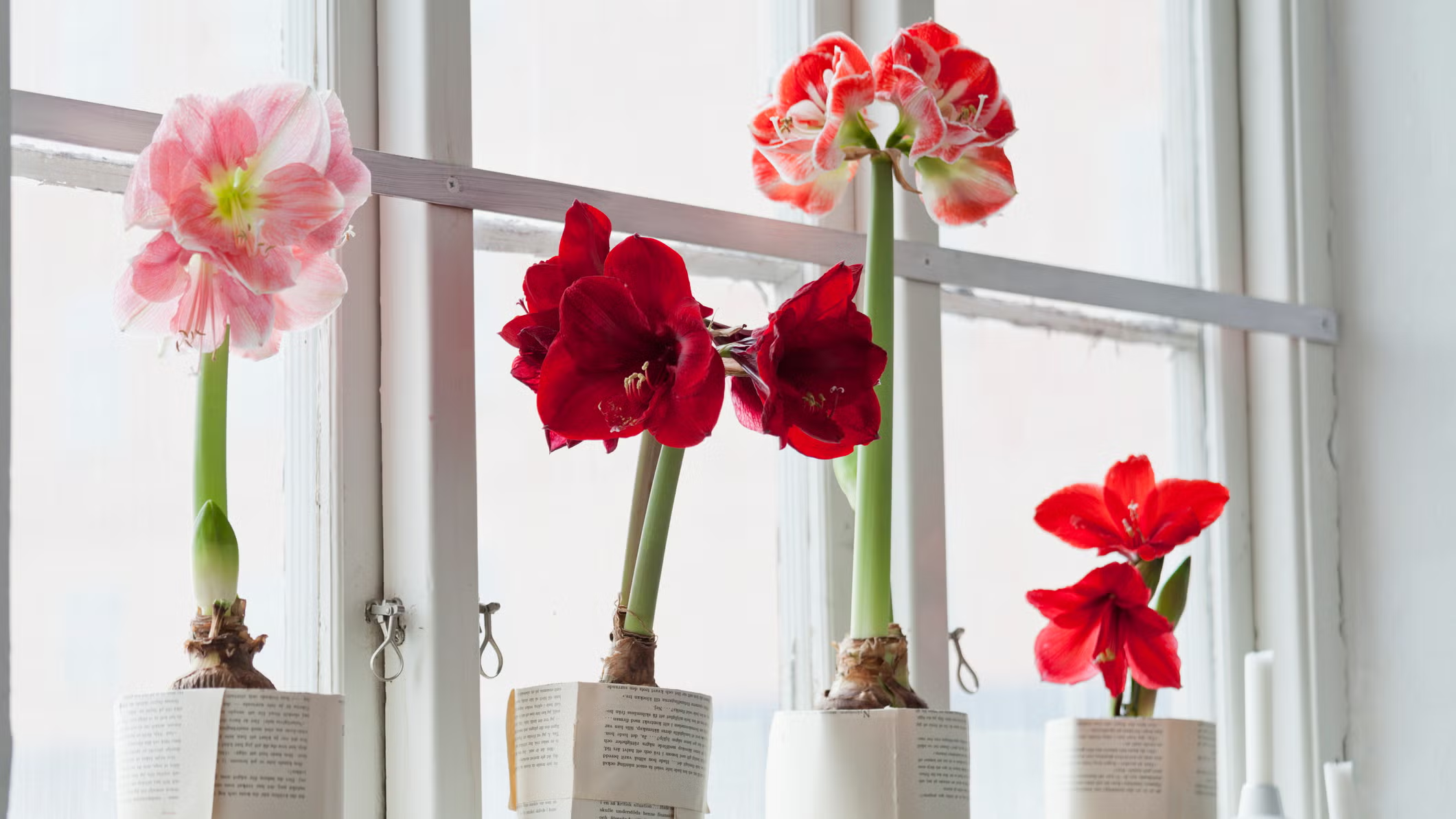
Few houseplants make a statement quite like amaryllis. With its towering stems and oversized trumpet-shaped blooms, this winter-flowering bulb often becomes the star of the season. But once the flowers fade and the stalks collapse, many people assume the show is over for good—and toss the bulb away.
According to gardening experts, that’s a costly mistake.
Yes, amaryllis can rebloom, and with the right care, the same bulb can produce spectacular flowers year after year. The secret isn’t complicated, but it does require understanding what the plant needs after flowering and how to guide it through its natural growth cycle.
Here’s everything you need to know to help your amaryllis rebloom successfully.
Understanding the Amaryllis Life Cycle
To get an amaryllis to rebloom, it’s essential to understand how it grows. Amaryllis bulbs store energy, and flowering is the result of energy accumulated during the previous growing season.
The amaryllis life cycle has four main phases:
- Flowering phase (winter to early spring)
- Leaf growth phase (spring and summer)
- Dormancy phase (late summer to fall)
- Reblooming phase (late fall to winter)
The key to reblooming lies in how well you support the plant during the leaf growth phase, when the bulb is rebuilding its energy reserves.
What to Do After the Flowers Fade
Once the blooms die back, your amaryllis still has important work to do.
Remove Spent Flowers—but Keep the Leaves
- Cut off faded flowers to prevent seed formation
- Leave the flower stalk until it yellows naturally
- Never cut healthy green leaves
The leaves act like solar panels, capturing energy through photosynthesis and storing it in the bulb.
Expert tip: Cutting leaves too early is the most common reason amaryllis fail to rebloom.
The Expert Secret: Feed and Grow the Leaves Aggressively
According to gardening experts, the biggest secret to reblooming amaryllis is treating it like a foliage plant after flowering.
Light Requirements
- Place the plant in bright, indirect light
- A sunny window is ideal, but avoid harsh midday sun
- Outdoor placement in warm weather is highly beneficial
Watering
- Water when the top inch of soil dries out
- Never let the bulb sit in soggy soil
- Reduce watering only when leaves begin to yellow
Fertilizing
Feed regularly during spring and summer:
- Use a balanced liquid fertilizer (10-10-10 or similar)
- Fertilize every 2–4 weeks
- Stop fertilizing when dormancy begins
Expert insight: Strong, healthy leaves directly translate into bigger blooms next season.
Moving Amaryllis Outdoors for Better Results
If possible, experts recommend moving amaryllis outdoors in late spring.
Benefits of Outdoor Growth
- Increased sunlight
- Stronger leaf development
- Improved bulb size and strength
Place the pot in a spot with morning sun and afternoon shade. Gradually acclimate the plant to outdoor conditions to prevent sunburn.
Triggering Dormancy: A Crucial Step for Reblooming
Amaryllis bulbs need a rest period to rebloom properly. This dormancy mimics their natural cycle.
When to Start Dormancy
In late summer or early fall:
- Stop fertilizing
- Gradually reduce watering
- Allow leaves to yellow and die back naturally
How to Store the Bulb
- Cut off dead leaves
- Store the bulb in a cool, dark place
- Ideal temperature: 50–55°F (10–13°C)
- Keep the bulb dry
Dormancy should last 8–10 weeks.
Expert tip: Skipping dormancy often results in leaves without flowers.
How to Wake Up the Bulb and Encourage Reblooming
After dormancy, it’s time to bring your amaryllis back to life.
Steps to Restart Growth
- Move the bulb to a warm, bright location
- Repot if necessary using fresh soil
- Water lightly at first
- Increase watering as growth appears
Flower stalks typically emerge within 4–8 weeks.
Common Reasons Amaryllis Fail to Rebloom
Even with good care, a few common mistakes can prevent reblooming.
1. Cutting Leaves Too Early
This deprives the bulb of stored energy.
2. Insufficient Light
Low light results in weak leaves and poor flower production.
3. Lack of Fertilization
Bulbs are heavy feeders during the growing season.
4. Skipping Dormancy
Without a rest period, flowering is unlikely.
5. Bulb Size
Small or weakened bulbs may need another year of growth before reblooming.
Should You Repot Amaryllis?
Amaryllis prefer to be slightly pot-bound, but repotting every 2–3 years is beneficial.
Repotting Tips
- Choose a pot only 1–2 inches wider than the bulb
- Use well-draining potting mix
- Leave the top third of the bulb exposed
Repotting is best done right before the dormancy period ends.
What to Expect from Reblooming Amaryllis
Reblooming amaryllis may:
- Produce fewer stems the first year
- Increase flower count over time
- Become more impressive as the bulb matures
With proper care, many bulbs live and bloom for decades.
Indoor vs. Outdoor Reblooming
While amaryllis are often grown indoors, outdoor gardeners in warm climates can grow them in the ground year-round. These plants often rebloom naturally with minimal intervention.
Final Thoughts
Can amaryllis rebloom? Absolutely—and the secret lies in what you do after the flowers fade.
By focusing on leaf growth, providing proper nutrition, ensuring a true dormancy period, and exercising patience, you can enjoy stunning amaryllis blooms year after year from the same bulb.
With expert care and a little planning, your amaryllis doesn’t have to be a one-season wonder—it can become a long-term showstopper in your home or garden.