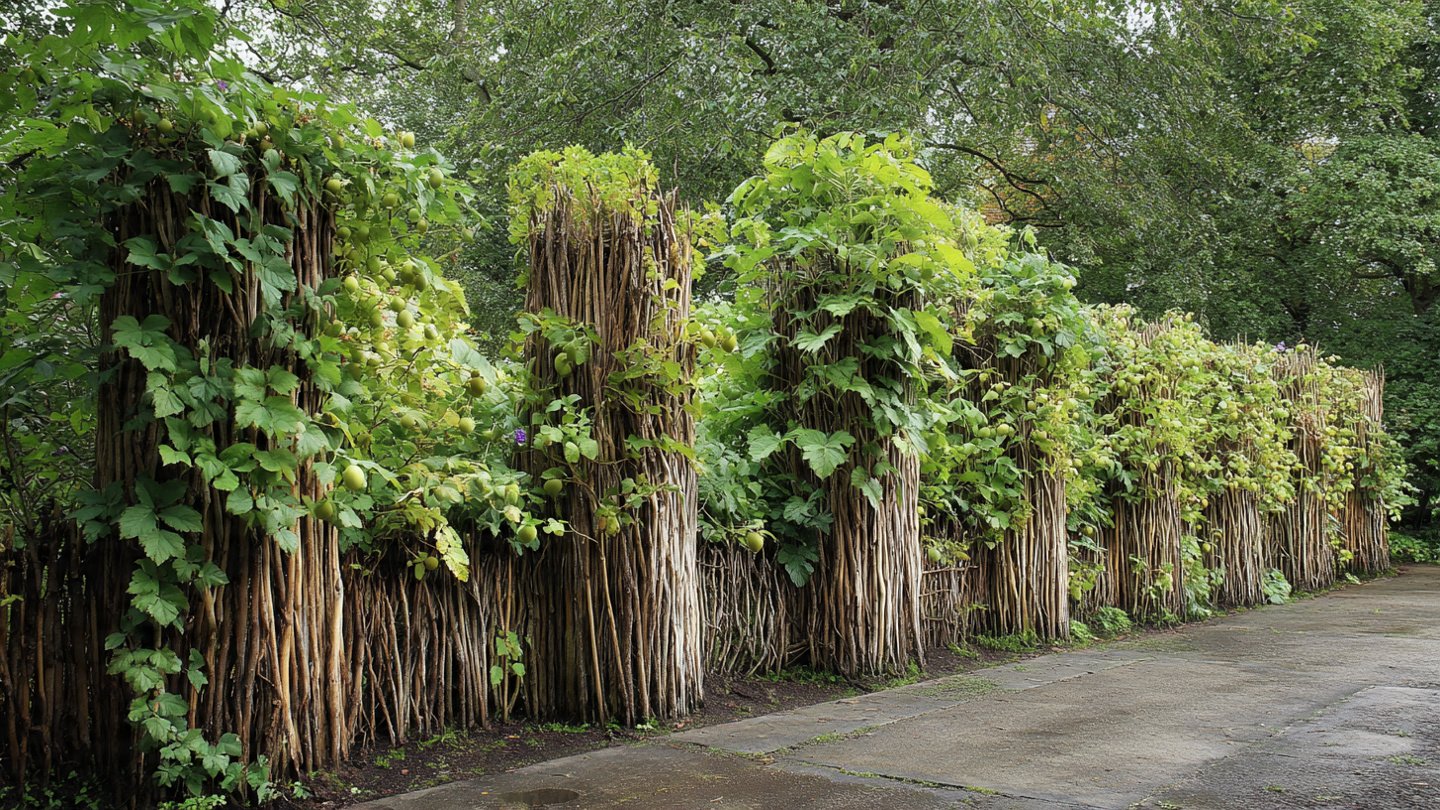
As urban spaces become more populated, and the desire to incorporate greenery into our living environments increases, the concept of a living fence made from fruit plants is gaining traction. A living fence not only serves functional purposes such as privacy and noise reduction but also provides the added benefit of edible produce. This article explores the possibility of creating a living fence crafted from fruit-bearing plants, including its benefits, potential challenges, and the best methods to implement such a project.
Understanding Living Fences
A living fence, also known as a hedgerow, consists of trees, shrubs, or other plants cultivated in a way that forms a Boundary. Unlike traditional fences made from wood or metal, living fences are environmentally friendly and can enhance biodiversity. They can improve soil quality, provide habitat for wildlife, and offer a sustainable source of food.
Benefits of a Living Fence Made from Fruit Plants
The concept of a living fence made from fruit plants has numerous advantages:
- Edibility: One of the most rewarding aspects of a fruit plant fence is the ability to harvest fresh fruits right from your boundary.
- Ecological Benefits: A living fence can support local wildlife by providing habitats and forage.
- Aesthetic Appeal: Fruit plants add a natural beauty to any property, changing with the seasons and often blooming attractively.
- Windbreak and Noise Reduction: A dense planting can reduce wind speed and block out noise, creating a more serene environment.
- Carbon Sequestration: Living fences can play a role in absorbing carbon dioxide from the atmosphere, helping to mitigate climate change.
- Soil Improvement: The roots of plants can help to prevent soil erosion and improve soil structure.
Choosing the Right Fruit Plants
When selecting fruit plants for a living fence, consider the following factors:
- Climate: Ensure that the fruit plants you choose thrive in your local climate and soil conditions.
- Growth Habit: Select plants with varying growth habits—some may be low-growing, while others can be trained to grow taller or wider.
- Pollination Needs: Some fruit plants require cross-pollination, while others can self-pollinate. When planning your fence, ensure you have compatible species if needed.
- Maintenance Requirements: Consider how much time you can dedicate to pruning, watering, and maintaining the plants.
Popular Fruit Choices for Living Fences
Several fruit plants are particularly well-suited for creating living fences:
- Blueberries: Low to medium height, these can be used as a dense hedge while providing delicious berries.
- Raspberries: A vigorous grower, raspberries can form a thick hedge and provide bountiful fruits.
- Blackberries: Similar to raspberries, blackberries are excellent for creating a thorny barrier and are highly productive.
- Strawberries: Ground-cover varieties can fill lower spaces in the fence, ensuring that you have fruit on multiple vertical levels.
- Figs: They can grow into tall shrubs or small trees, providing tasty fruit and privacy.
Setting Up Your Living Fence
Creating a living fence from fruit plants requires careful planning and execution. Here’s how you can get started:
Step 1: Plan Your Design
Decide on the length, height, and desired density of your living fence. Consider how much space each plant will need for growth.
Step 2: Prepare the Soil
The soil must be suitable for the type of plants you choose. It’s a good idea to perform a soil test and amend it as necessary to ensure optimal growth.
Step 3: Planting
Follow the planting guidelines based on the selected plants. Generally, planting in staggered rows results in a denser hedge and maximizes space:
- Space taller plants further apart, reserving lower-growing plants for closer intervals.
- Plant smaller species along the front to create a multi-layered effect.
Step 4: Watering and Care
Initially, your plants will require regular watering and monitoring for pests. Once established, many fruit plants will require less frequent care but will still benefit from occasional pruning and the addition of nutrients.
Step 5: Harvesting
Once your living fence is established, enjoy the fruits of your labor! Regular harvesting encourages plants to produce more fruit, and you’ll have access to fresh produce while effectively enhancing your property.
Potential Challenges to Consider
While the idea of a living fence crafted from fruit plants is appealing, it’s also essential to consider possible challenges:
- Pests and Diseases: Being mindful of local pests that could affect your fruit yield is crucial. Organic pest management strategies can minimize damage.
- Maintenance: While a living fence can be more sustainable, it still requires time and commitment to maintain its health and productivity.
- Space Constraints: In smaller gardens, it’s necessary to be cautious of space to ensure that the plants can grow into their full potential without overcrowding.
Conclusion
Creating a living fence from fruit plants is not just a gardening trend; it’s a sustainable choice that harmonizes functionality with nature. With careful planning, the right selections, and commitment to maintenance, you can cultivate a beautiful and productive boundary that enhances your landscape while providing delicious fruits. Enjoy the landscaping benefits along with the freshness of your homegrown produce, knowing you’re contributing positively to your environment.
FAQs
1. Can any fruit plant be used for a living fence?
While many fruit plants can be used, it’s essential to choose varieties that thrive in your climate and are suitable for hedging. Consult with a local nursery or agricultural extension for the best options.
2. How tall can a living fence grow?
The height of a living fence depends on the plants used. Some fruit trees can reach several feet tall, while shrubs like blueberries may only grow to a few feet. Plan accordingly based on your privacy needs.
3. How long does it take for a living fence to establish?
Establishing a living fence can take 2 to 3 years, depending on the growth rate of the plants chosen and the care they receive after planting.
4. Is it possible to create a living fence in a small garden?
Yes! Many low-growing fruit plants can be suitable for smaller gardens, such as strawberries or dwarf varieties of berries. Opt for plants with smaller growth habits to maximize your space.
5. What kind of maintenance do fruit plant fences require?
Maintenance includes regular watering, pruning to promote healthy growth and productivity, and monitoring for pests and diseases. With proper care, these plants can thrive and continue to yield fruits for years.