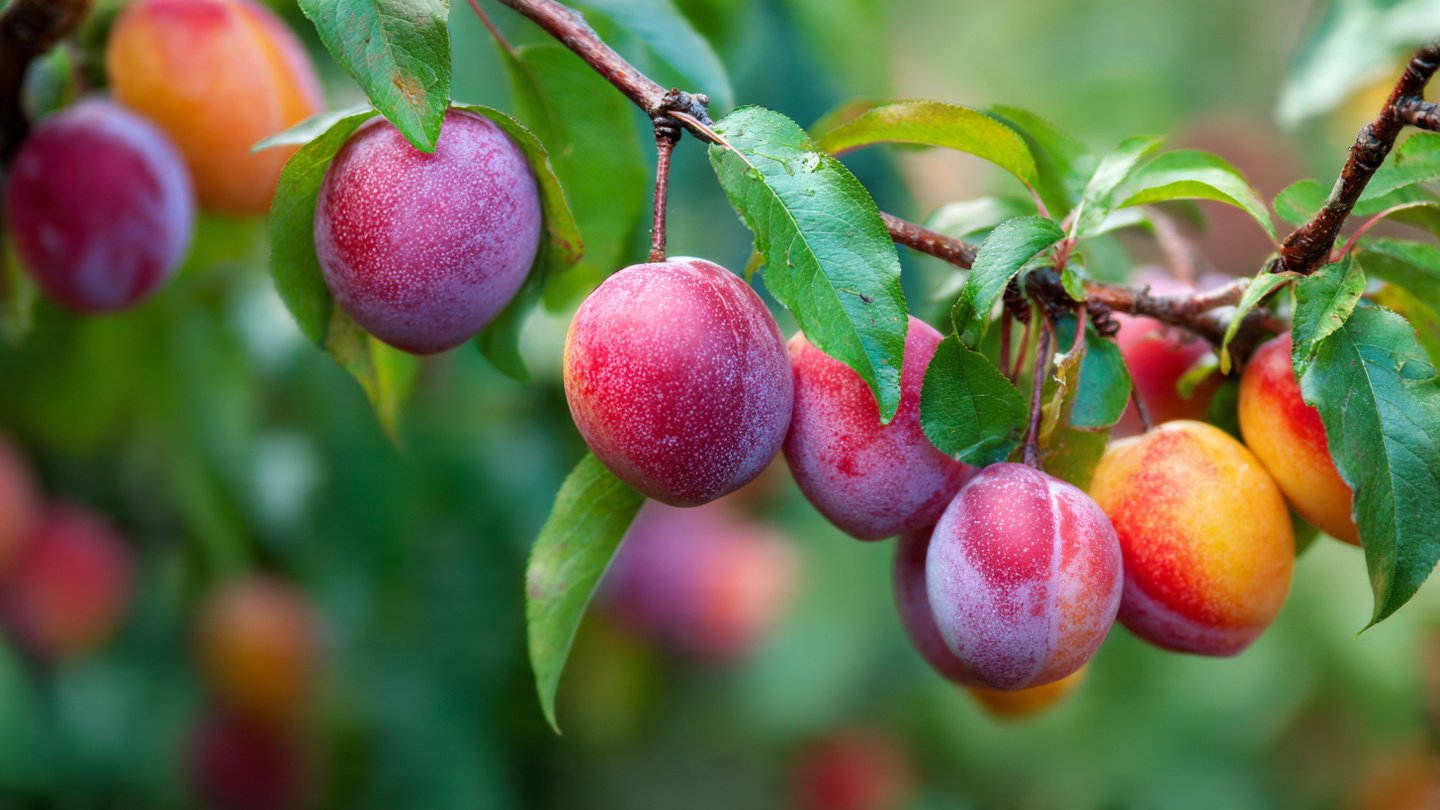
The pursuit of maximizing fruit yield in orchards has been a significant focus for gardeners and farmers alike. Natural methods of increasing fruit tree productivity are often sought after, as they promise sustainability and environmental friendliness. This article delves into various strategies that can help you naturally increase the yield of your fruit trees.
Understanding Your Fruit Trees
To effectively double the yield of your fruit trees, it’s essential first to understand their needs and behaviors. Different fruit trees have varying requirements when it comes to sunlight, soil type, and water. Here are some key factors to consider:
- Variety: Different varieties of fruit trees may inherently produce different yields. Understanding the variety you have can help you tailor your approach.
- Pollination: Some trees require cross-pollination for optimal fruit set. Check if your tree variety needs a companion for better yield.
- Growth habits: Some trees fruit on old wood (previous year’s growth), while others fruit on new wood. Understanding this will help in planning pruning and care.
Optimal Growing Conditions
Creating the best possible environment for your fruit trees is pivotal to increasing yield. Here are several approaches that facilitate optimal growth:
Soil Quality
The foundation of any healthy orchard lies in its soil. Regularly test the soil to determine pH and nutrient levels. A pH range of 6.0 to 7.0 is generally ideal for most fruit trees.
- Organic Matter: Incorporate compost and other organic materials to improve soil structure and nutrient content.
- Beneficial Microorganisms: Encourage beneficial microbes in the soil to aid in nutrient uptake.
Watering Practices
Water is another cornerstone of fruit tree health. Over-watering or under-watering can lead to poor yields. Implement practices like:
- Drip Irrigation: This method delivers water directly to the roots, minimizing evaporation and ensuring consistent moisture.
- Mulching: Apply organic mulch to retain moisture and suppress weeds.
Sunlight Exposure
Sunlight is vital for photosynthesis and fruit production. Ensure that your trees are planted in locations that receive ample sunlight. Prune when necessary to prevent overcrowding and allow air circulation and sunlight to reach all parts of the tree.
Natural Fertilization Techniques
Fertilizing your fruit trees correctly is crucial to boosting their yield. Instead of synthetic fertilizers, consider these natural alternatives:
- Compost: A well-balanced compost can provide essential nutrients.
- Green Manures: Planting cover crops that can be tilled back into the soil adds organic matter and nutrients.
- Fish Emulsion: This natural fertilizer is rich in nitrogen and beneficial for vegetative growth.
Integrated Pest Management (IPM)
Pests can significantly reduce fruit yield. Integrating a pest management plan can help minimize damage and promote healthier trees. Some strategies include:
- Beneficial Insects: Introduce predators like ladybugs to control pest populations.
- Companion Planting: Certain plants can repel pests or attract beneficial insects, enhancing the health of your trees.
- Natural Pesticides: If necessary, opt for organic pesticides that are less harmful to beneficial insects.
Pruning and Training Techniques
Proper pruning is critical to enhance fruit yield. It improves air circulation, sunlight penetration, and removes dead or diseased branches. Here are some effective pruning practices:
- Winter Pruning: Conducted while the trees are dormant, winter pruning encourages stronger growth in the spring.
- Summer Pruning: This can help shape the tree and manage its height while encouraging fruit production.
Companion Planting
Companion planting involves growing different plants together that can benefit each other. This technique can boost the yield of fruit trees:
- Attract Pollinators: Plant flowers that attract bees and other pollinators close to fruit trees.
- Deter Pests: Some herbs repel harmful insects while benefiting fruit trees.
Using Natural Growth Enhancers
Several natural substances can act as growth enhancers, promoting larger and more abundant fruit production:
- Aspirin: Helps improve plant immunity and resistance to disease.
- Seaweed Extract: Boosts root development and enhances fruit size.
- Worm Castings: A rich source of nutrients and beneficial microorganisms.
Conclusion
In conclusion, doubling the yield of your fruit trees naturally is entirely feasible with proper planning and implementation of the right techniques. By focusing on soil health, optimal watering, natural fertilization, pest management, and appropriate pruning, you can significantly enhance the productivity of your fruit trees. While the path to achieving this may require patience and dedication, the rewards of bountiful harvests and improved environmental impact make it all worthwhile.
FAQs
1. How long does it take to see increased yield after implementing these methods?
Results can vary, typically taking a season or two to notice significant improvements, depending on the methods used and the specific tree variety.
2. Are there specific fruit trees that respond better to natural yield enhancement?
Generally, trees like apple, peach, and cherry tend to respond well to natural methods, but results may vary based on local conditions and care.
3. Can I use synthetic fertilizers in combination with these natural methods?
While it’s not recommended to rely on synthetic options, using them sparingly and in conjunction with organic practices can yield benefits, particularly if you’re transitioning to a more natural approach.
4. Is using natural pesticides as effective as chemical ones?
Natural pesticides can be effective but often require more frequent application and careful timing. However, they promote a healthier ecosystem overall.
5. Should I consult a professional arborist for assistance?
If you’re uncertain about the health of your trees or the methods you should use, consulting a professional can provide tailored insight and recommendations.