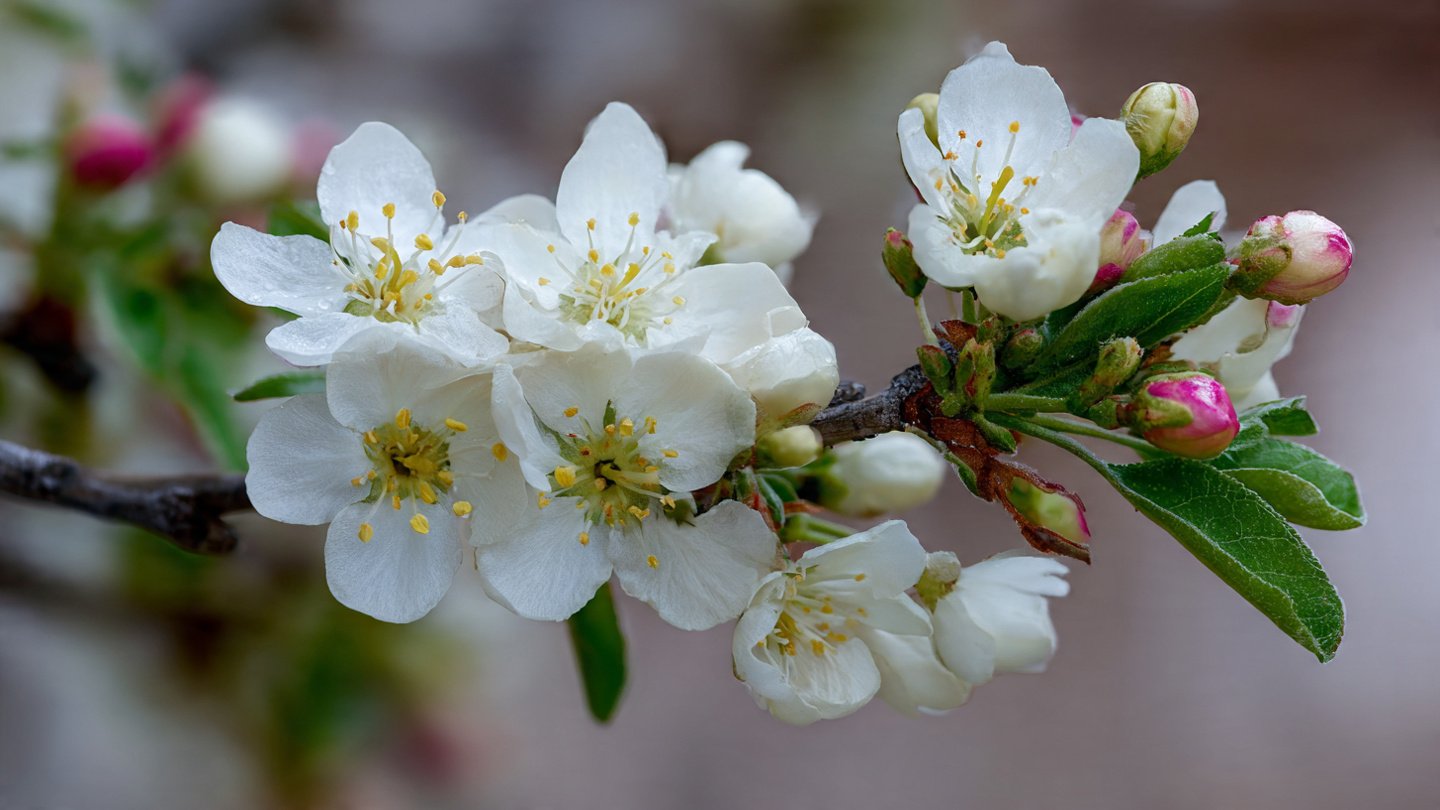
Fruit trees are a staple in many gardens and orchards, providing not only shade and beauty but also delicious fruits. While most fruit trees adhere to a seasonal blooming and fruiting schedule, some gardeners wonder if it’s possible to manipulate nature to get a second bloom and harvest in a single year. This article explores the possibility of making your fruit trees produce twice a year, the techniques involved, the types of trees suited for this kind of management, and the challenges you might face.
Understanding Fruit Tree Biology
Before attempting to encourage a second bloom, it’s crucial to understand how fruit trees grow and bloom. Most fruit trees go through a biennial cycle, with dormancy in the winter, blooming in spring, and growing fruits through the summer. Typically, the energy produced during the long days of summer is stored in the roots until the tree is ready to bloom again the following spring.
However, certain species and cultivars of fruit trees have been shown to respond to specific treatments that may encourage a second bloom. For instance, trees that have a low chilling requirement, such as fig and some varieties of citrus, can sometimes be tricked into blooming a second time under the right conditions.
Factors Affecting Blooming
Several factors influence blooming in fruit trees:
- Temperature: Most fruit trees require a certain number of chilling hours (cold temperatures) to break dormancy. If temperatures are not adequately controlled or managed, trees may not bloom at all.
- Light: Adequate sunlight is essential for photosynthesis, which supports growth and blooming. Insufficient light can lead to poor blooming.
- Watering: Proper watering techniques vary among fruit tree species; overwatering or underwatering can hinder bloom development.
- Nutrient Management: Providing the right nutrients through fertilizers can bolster overall plant health and support flowering.
Techniques to Encourage Second Blooming
Here are some techniques that may help coax your fruit trees into blooming a second time:
1. Pruning
Proper pruning can stimulate new growth and encourage additional blooming. Performing a light pruning after the first harvest can promote branching and stimulate new flowering. Be careful not to over-prune, as this could harm the tree’s health.
2. Water Management
After the first fruiting cycle, ensure the tree is receiving sufficient water. A good watering regime can help stimulate secondary growth. However, avoid waterlogging, which can be detrimental.
3. Fertilization
Applying a balanced fertilizer after the first harvest can provide the nutrients required for a second bloom. Look for fertilizers high in potassium and phosphorus to encourage flowering.
4. Temperature Control
If you live in an area with moderate winters, covering your trees or providing temporary greenhouse conditions to protect them can help maintain warmth, allowing for a second bloom. However, this must be done carefully to avoid stressing the tree.
Best Fruit Trees for Twice a Year Blooms
Not all fruit trees can bloom twice a year, but some varieties are more adaptable than others:
- Fig Trees: Figs can often produce two crops in a single season—one in early summer and another in late fall.
- Citrus Trees: Certain citrus varieties, such as lemons and limes, can flower and bear fruit multiple times a year with proper care.
- Pomegranate Trees: These trees can produce blooms several times a year, especially in warmer climates.
Challenges and Considerations
While it’s certainly possible to encourage a second bloom in some fruit trees, there are challenges:
1. Stress on Trees
Encouraging a second bloom can sometimes stress the tree, leading to reduced overall health and fruit quality. Always approach with caution and monitor the tree’s health.
2. Competing Priorities
A tree that blooms twice a year may put most of its energy into developing flowers and fruits rather than overall growth and root development. Balancing this is key.
3. Environmental Limitations
Not all climates are suitable for the twin-bloom technique. Extreme temperatures and varying daylight hours can significantly impact the success of your attempts.
Conclusion
While making your fruit trees bloom twice a year is a challenging but not impossible task, it requires a keen understanding of the trees’ biological needs and the right environmental conditions. Through careful management of light, temperature, water, and nutrients, certain fruit trees can indeed be coaxed into a second blooming. Always consider your local climate and tree health, and approach this endeavor with moderation.
Frequently Asked Questions (FAQs)
1. Can all fruit trees bloom twice a year?
No, not all fruit trees can be coaxed into blooming twice a year. Some species and cultivars are more adaptable than others, such as figs and certain citrus trees.
2. What is the best time to prune my fruit trees for a second bloom?
Light pruning should be done right after the first harvest to encourage new growth and additional blooming. However, avoid heavy pruning, as this could harm the tree.
3. How much water do I need to provide for a second bloom?
Watering requirements vary by species, but maintaining consistent moisture after the first harvest is crucial. Overwatering can be harmful, so ensure good drainage.
4. Will fertilizing my trees guarantee a second bloom?
Fertilizing can help stimulate bloom, but it does not guarantee it. It’s essential to implement proper care and conditions to increase success chances.
5. What are the signs that my tree is stressed?
Signs of stress include yellowing leaves, early leaf drop, reduced fruit size, and overall poor growth. If you notice these symptoms, it may be time to reassess care practices.