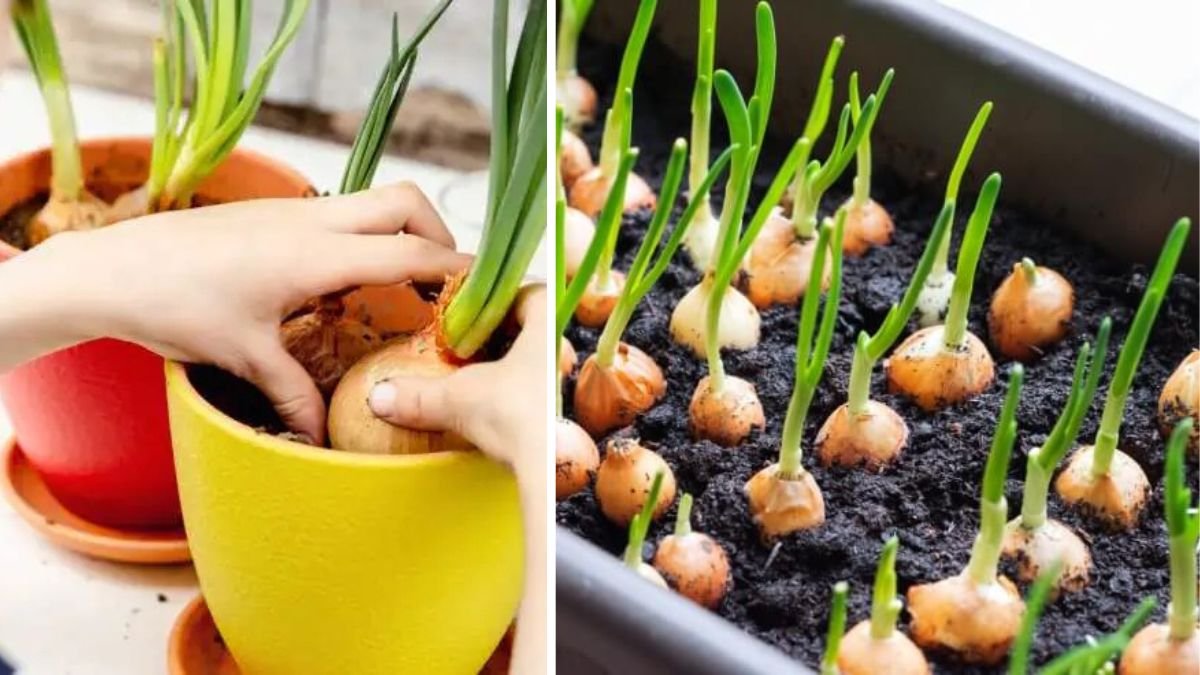
Onions are a staple in kitchens around the world, adding flavor and nutrition to countless dishes. Growing onions at home is not only rewarding but also surprisingly easy. Even if you have a small balcony, terrace, or backyard, you can cultivate onions successfully and enjoy a fresh, homegrown harvest. Alongside onions, home gardening opens up a world of creative gardening ideas, turning even a small space into a lush, productive green corner.
This guide will walk you step by step through the process of growing onions until harvest, while also offering innovative gardening ideas for your home.
Why Grow Onions at Home?
Homegrown onions have a richer flavor and better freshness than store-bought varieties. They are packed with antioxidants, vitamins, and minerals that boost immunity and overall health. By growing onions at home, you can:
- Ensure chemical-free, organic produce.
- Save money on groceries.
- Reduce food waste by harvesting only what you need.
- Experiment with different onion varieties for flavor and color.
Onions also make a perfect companion plant, as they can help repel pests and enhance the growth of nearby vegetables.
Understanding Onion Growth
Onions are versatile plants that can be grown from seeds, sets (small bulbs), or transplants. They grow in a cycle of three main stages:
- Vegetative Stage – The plant develops green shoots and roots.
- Bulb Formation Stage – The onion bulb begins to swell underground.
- Maturation Stage – The bulb reaches full size, and the green tops begin to yellow and dry.
Proper care during each stage is crucial for a healthy harvest.
Choosing the Right Onion Variety
Selecting the right onion variety depends on your climate, space, and taste preferences. Some popular home gardening varieties include:
- Red Onions – Sweet flavor, ideal for salads and cooking.
- White Onions – Mild taste, perfect for soups and stir-fries.
- Yellow Onions – Classic cooking onion with a strong flavor.
- Green Onions/Scallions – Can be harvested early for their flavorful tops.
For home gardening, choose varieties that mature quickly and adapt well to containers or small spaces.
Container Gardening: Growing Onions Without a Garden
If you don’t have a backyard, onions can still thrive in containers. Here’s how:
- Container Size: Use a pot or grow bag at least 8–10 inches deep for bulb onions. Green onions can grow in shallower containers.
- Drainage: Ensure proper drainage holes to prevent waterlogging.
- Soil: Use a mix of garden soil, compost, and sand for loose, nutrient-rich soil.
- Sunlight: Place containers in an area that receives 6–8 hours of direct sunlight daily.
Container gardening is a perfect solution for apartments, rooftops, and small terraces.
Planting Onions Step by Step
- Seed Planting – Start seeds indoors 8–10 weeks before the last frost. Sow seeds in trays or small pots and keep them moist.
- Using Sets – Plant small onion bulbs (sets) directly into prepared soil, 1–2 inches deep and 4–6 inches apart.
- Transplants – Young seedlings can be transplanted outdoors when they reach 4–6 inches in height.
Remember to space the plants adequately to allow bulbs to grow without overcrowding.
Soil Preparation and Fertilization
Onions prefer loose, well-drained soil with a slightly acidic to neutral pH (6.0–7.0). Rich, fertile soil ensures bigger, juicier bulbs.
- Fertilizer Tips:
- Add compost or aged manure before planting.
- Side-dress with nitrogen-rich fertilizer every 3–4 weeks to promote leafy growth.
- Reduce nitrogen when bulbs start forming to encourage bulb swelling rather than leaf growth.
Mulching with straw or dried leaves can help retain moisture, suppress weeds, and regulate soil temperature.
Watering and Maintenance
Consistent watering is critical for onion growth.
- Water deeply once or twice a week, keeping the soil moist but not soggy.
- Avoid wetting the leaves, as this can cause fungal diseases.
- Remove weeds regularly to prevent competition for nutrients.
- Thin seedlings if planted too closely to allow room for bulb development.
Pest and Disease Management
Onions are prone to pests like onion maggots, thrips, and aphids, and diseases like downy mildew and fungal rot.
Natural remedies include:
- Spraying neem oil or garlic-chili extract for pests.
- Crop rotation to prevent soil-borne diseases.
- Keeping good air circulation to reduce fungal infections.
- Removing diseased plants immediately to prevent spread.
By using organic methods, you can ensure a healthy, chemical-free onion harvest.
Signs That Onions Are Ready for Harvest
Onions are ready to harvest when:
- The green tops turn yellow or brown and start falling over.
- The bulbs feel firm when gently squeezed.
- Leaves have dried naturally, signaling full maturity.
Timing is key—harvest too early, and bulbs may be small; too late, and they may split or rot.
Harvesting and Curing Onions
- Loosen the soil carefully around bulbs using a trowel or hand.
- Gently pull out the entire plant.
- Leave the onions to dry in a shaded, airy area for 2–3 weeks (curing).
- Remove tops and store in a cool, dry place for long-term use.
Proper curing ensures longer shelf life and better flavor.
Creative Gardening Ideas for Home
Growing onions can be combined with other home gardening projects to maximize space and aesthetics:
- Vertical Gardening – Use hanging pockets or wall planters for green onions.
- Companion Planting – Plant onions near carrots, tomatoes, or lettuce to repel pests.
- Kitchen Herb Corner – Combine onions with herbs like parsley, chives, and coriander for fresh cooking.
- Container Gardens – Mix onions with peppers, radishes, or lettuce in large pots for a mini edible garden.
- Upcycled Planters – Use old buckets, jars, or boxes to grow onions creatively and sustainably.
These ideas make your home greener while providing fresh produce year-round.
Benefits of Growing Your Own Onions
Homegrown onions offer multiple advantages:
- Superior taste and nutritional value.
- Reduced exposure to pesticides.
- Continuous supply for daily cooking.
- Opportunity to experiment with unusual or heirloom varieties.
- Satisfaction of growing food sustainably at home.
With proper care, even a small space can yield a satisfying onion harvest.
Conclusion
Growing onions at home is achievable for both beginners and experienced gardeners. Whether you have a spacious backyard or a small balcony, onions can thrive in containers, raised beds, or garden soil with the right preparation and care. By following proper planting, watering, fertilization, and pest management techniques, you can enjoy a bountiful onion harvest year-round.
In addition, home gardening allows for creativity. From vertical gardens to companion planting and kitchen herb corners, there are endless ways to make your home greener and more productive.
Start today, and transform your living space into a vibrant, edible garden while enjoying the fresh taste of homegrown onions straight from your backyard—or balcony.